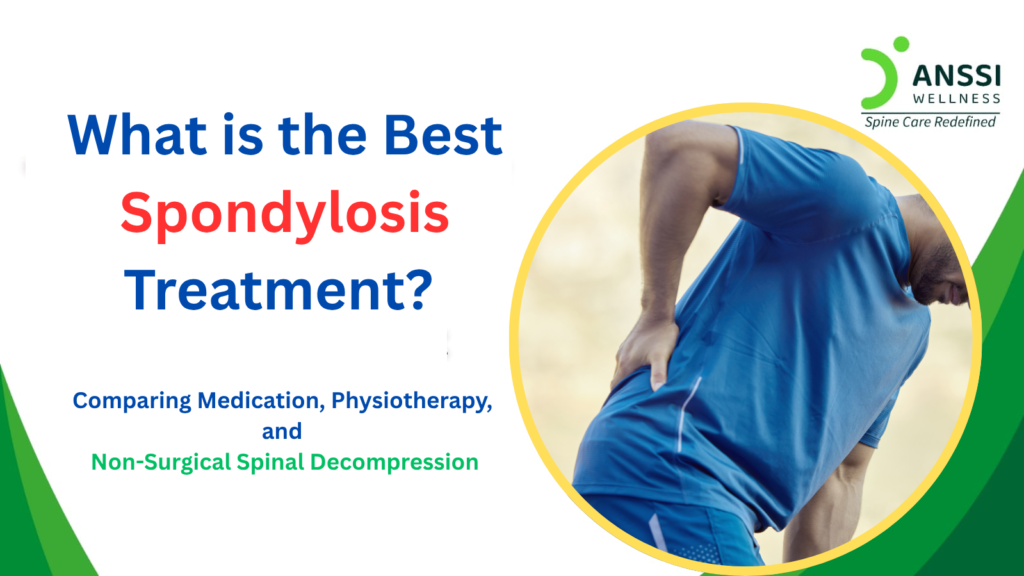
Spondylosis is a common condition that affects the spine, especially as people age. It is often associated with chronic neck or lower back pain and can significantly impact daily activities. If you’ve been diagnosed with Spondylosis, you may be wondering, “Which treatment is the most effective?”
There are several options available, including medication, physiotherapy, and advanced non-surgical treatments. Understanding how each works can help you make an informed decision and choose the best path toward long-term relief.
Understanding Spondylosis
Spondylosis refers to the gradual degeneration of the spine, including the discs, joints, and surrounding structures. It commonly affects the cervical spine (neck) and lumbar spine (lower back).
As the discs lose hydration and flexibility over time, they may shrink or bulge. This can lead to reduced space between vertebrae, formation of bone spurs, and, in some cases, nerve compression.
Common symptoms of spondylosis include:
- Persistent neck or back pain
- Stiffness and reduced flexibility
- Pain that radiates to arms or legs
- Tingling, numbness, or weakness
These symptoms can get worse and get in the way of daily living if they are not treated.
Treatment Option 1: Medication
How It Works
Medication is often the first line of treatment for spondylosis. Painkillers and anti-inflammatory drugs are prescribed to reduce pain and swelling.
Pros
- Provides quick relief from pain
- Easily accessible and convenient
Limitations
While medication can help manage symptoms, it does not address the underlying structural issues in the spine. It cannot restore disc health or relieve nerve compression.
Other drawbacks include:
- Temporary relief with recurring pain
- Risk of side effects with long-term use
- Potential dependency on medication
For these reasons, medication is generally considered a short-term solution rather than a permanent fix.
Treatment Option 2: Physiotherapy
How It Works
Physiotherapy focuses on strengthening the muscles that support the spine, improving flexibility, and correcting posture. A structured exercise program is tailored to the patient’s condition.
Pros
- Improves muscle strength and spinal stability
- Enhances flexibility and mobility
- Helps correct posture and movement patterns
- Reduces the risk of further injury
Limitations
Although physiotherapy is highly beneficial, it may not fully address issues such as disc bulging or nerve compression. In cases where structural problems are significant, physiotherapy alone may not provide complete relief.
However, it remains an essential part of most treatment plans and works best when combined with other therapies.
Treatment Option 3: Non-Surgical Spinal Decompression
How It Works
Non-Surgical Spinal Decompression is an advanced treatment designed to relieve pressure on spinal discs and nerves. It involves gently stretching the spine using specialised equipment.
This controlled stretching creates negative pressure within the discs, which may help reposition bulging discs and improve nutrient flow to the affected area.
Pros
Targets the root cause of pain (disc pressure and nerve compression)
- Promotes natural healing of spinal structures
- Reduces pain and inflammation
- Improves mobility and function
- Non-invasive and avoids surgical risks
Unlike medication, which only masks symptoms, and physiotherapy, which focuses on muscle support, spinal decompression directly addresses the structural issues within the spine.
Which Treatment Works Best?
There is no one-size-fits-all answer when it comes to treating spondylosis. The best approach often depends on the severity of the condition and the underlying cause of pain.
- Medication is useful for short-term symptom relief
- Physiotherapy helps improve strength, flexibility, and posture
- Non-Surgical Spinal Decompression targets the root cause and promotes long-term healing
In many cases, a combination of treatments provides the best results. For example, physiotherapy can complement spinal decompression by strengthening the muscles that support the spine, while decompression addresses disc-related issues.
Choosing a Long-Term Solution
If your goal is lasting relief rather than temporary comfort, it is important to focus on treatments that address the root cause of spondylosis. Relying solely on medication may lead to recurring pain and ongoing dependency.
Non-surgical spinal decompression treatment stands out as one of the most effective options for long-term relief because it directly reduces disc pressure and nerve compression. When combined with physiotherapy and healthy lifestyle habits, it can significantly improve outcomes.
About ANSSI:
ANSSI Wellness focuses on improving the quality of life for patients suffering from spinal issues, aiming to provide relief where other conventional treatments have failed. Through advanced Non-Surgical Spinal Decompression Treatment, ANSSI is committed to helping patients avoid surgery and recover in a safe, effective, and compassionate environment.
Connect with ANSSI Wellness on LinkedIn, Instagram, and Facebook for expert guidance.