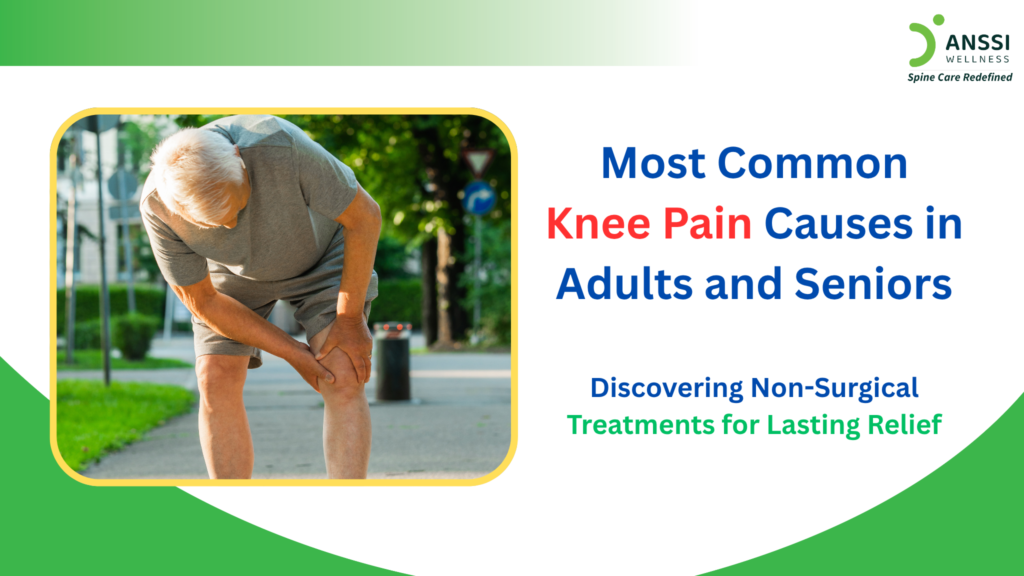
Knee pain is one of the most common health concerns affecting both adults and seniors. Whether it is a dull ache while walking, stiffness after sitting for long hours, or sharp pain while climbing stairs, knee discomfort can significantly affect daily life. Many people assume that knee pain is simply a part of ageing or that surgery is the only solution.
However, understanding the actual cause of knee pain is the first step toward finding the right treatment. In many cases, effective non-surgical treatments can provide long-term relief and help restore mobility.
Common Causes of Knee Pain
The knee is one of the largest and most active joints in the body, which makes it highly vulnerable to wear and tear. Several factors can contribute to knee pain in adults and seniors.
1. Osteoarthritis and Age-Related Wear
One of the most common causes of knee pain is osteoarthritis. As we age, the cartilage that cushions the knee joint gradually wears down. This leads to pain, stiffness, swelling, and difficulty in movement.
2. Ligament Strain and Meniscus Injuries
Sudden twisting movements, falls, or sports injuries can damage the ligaments or meniscus in the knee. Even minor injuries can cause long-term discomfort if not treated properly.
3. Obesity and Excess Pressure on the Knees
Excess body weight places continuous stress on the knee joints. Over time, this increases the risk of joint damage, inflammation, and chronic pain.
4. Poor Posture and Muscle Weakness
Weak thigh and leg muscles reduce support for the knee joint. Combined with poor posture and prolonged sitting, this can lead to instability and pain during movement.
5. Repetitive Strain and Overuse
People who stand for long hours, climb stairs frequently, or perform repetitive physical tasks may develop inflammation around the knee due to overuse.
Symptoms That Should Not Be Ignored
Knee pain often starts gradually, but ignoring early symptoms can make the condition worse. Some warning signs that need attention include:
- Persistent pain while walking, standing, or climbing stairs
- Swelling or stiffness around the knee joint
- Difficulty bending or straightening the leg fully
- Clicking, popping, or grinding sounds in the knee
- A feeling of weakness or instability while walking
If these symptoms continue for several weeks, professional evaluation is important to prevent long-term damage.
Why Surgery is Not Always the First Option
Many patients worry that knee pain automatically means surgery, especially in cases of arthritis or chronic joint problems. However, surgery is not always the first or best option.
Most knee pain conditions respond well to conservative treatment, especially when diagnosed early. Surgery involves risks such as infection, recovery time, hospital stay, and post-operative rehabilitation. For older adults, these risks may be even more significant.
Non-surgical treatments focus on reducing pain, improving joint function, and slowing the progression of damage without invasive procedures. In many cases, these approaches help patients avoid or delay surgery for years.
Non-Surgical Treatments for Lasting Relief
There are several safe and effective non-surgical treatments available for managing knee pain and improving quality of life.
1. Physiotherapy and Strengthening Exercises
Physiotherapy helps strengthen the muscles around the knee, especially the quadriceps and hamstrings. Stronger muscles provide better support to the joint, reduce pressure, and improve mobility.
Stretching and guided exercises also help improve flexibility and reduce stiffness.
2. Weight Management and Lifestyle Correction
Even a small reduction in body weight can significantly decrease pressure on the knees. Healthy eating, regular walking, and low-impact exercises like swimming or cycling can improve joint health.
Avoiding long periods of inactivity is equally important.
3. Posture Improvement and Joint Support
Correct posture while walking, standing, and sitting helps reduce unnecessary strain on the knees. Supportive footwear and knee braces may also provide additional stability and comfort.
4. Advanced Regenerative and Non-Invasive Treatments
Modern treatment options now focus on healing the joint rather than simply masking pain. Advanced treatments such as Knee Decompression Treatment aim to reduce inflammation, improve circulation, and support the body’s natural repair process.
At ANSSI Wellness, patients receive non-surgical treatment plans designed to target the root cause of joint pain. These therapies help improve function, reduce discomfort, and restore mobility without surgery or long-term medication dependency.
Benefits of Choosing Non-Surgical Treatment
Non-surgical treatments offer several long-term advantages:
- Safe and non-invasive approach
- Minimal or no downtime
- No hospitalisation required
- Lower risk compared to surgery
- Focus on long-term joint health and mobility
- Reduced dependency on painkillers
These treatments are especially valuable for seniors who want to maintain independence and continue daily activities comfortably.
About ANSSI:
ANSSI Wellness focuses on improving the quality of life for patients suffering from spinal issues, aiming to provide relief where other conventional treatments have failed. Through advanced Non-Surgical Spinal Decompression Treatment, ANSSI is committed to helping patients avoid surgery and recover in a safe, effective, and compassionate environment.
Connect with ANSSI Wellness on LinkedIn, Instagram, and Facebook for expert guidance.