Severe back pain has become a common problem affecting people of all age groups, especially working professionals, homemakers, and elderly individuals. Long hours of sitting, poor posture, lack of exercise, stress, and improper lifting techniques are major contributors to chronic spine-related problems. What starts as mild discomfort can gradually turn into persistent pain that affects work, sleep, mobility, and overall quality of life.
Many people ignore early symptoms and rely only on painkillers or temporary home remedies. However, when back pain becomes severe and starts interfering with daily activities, it often indicates an underlying spinal condition that requires proper attention. Treating the root cause, not just the pain, is essential for long-term relief.
What Causes Severe Back Pain?
Severe back pain is often linked to deeper spinal issues rather than simple muscle strain. Common causes include slipped disc, disc bulge, sciatica, spondylosis, spinal stenosis, and nerve compression.
The spine contains discs that act as cushions between the vertebrae. Over time, due to age, poor posture, or repeated strain, these discs can weaken, bulge, or herniate. When this happens, they may press on nearby nerves, causing pain and discomfort.
This pressure on the nerves can lead to symptoms such as constant lower back pain, pain radiating to the hips or legs, numbness, tingling sensations, muscle weakness, and reduced flexibility. In severe cases, patients may struggle to sit, stand, walk, or perform daily tasks comfortably.
Why Painkillers and Rest Are Not Enough
Many patients initially depend on painkillers, muscle relaxants, or bed rest to manage severe back pain. While these methods may provide temporary relief, they do not solve the actual problem inside the spine.
Painkillers mainly suppress symptoms for a short time. Once their effect wears off, the pain often returns. Long-term use of medication can also lead to side effects such as digestive issues, dependency, and reduced effectiveness over time.
Similarly, prolonged rest without proper treatment may weaken muscles and worsen the condition. This is why advanced, non-surgical treatments that target the underlying cause are becoming the preferred choice for chronic back pain sufferers.
What is Non-Surgical Spinal Decompression Treatment?
Non-surgical spinal decompression is an advanced, non-invasive treatment designed specifically for spinal disc problems and nerve compression. It offers a safe alternative to surgery and injections, especially for patients who want long-term relief without major risks.
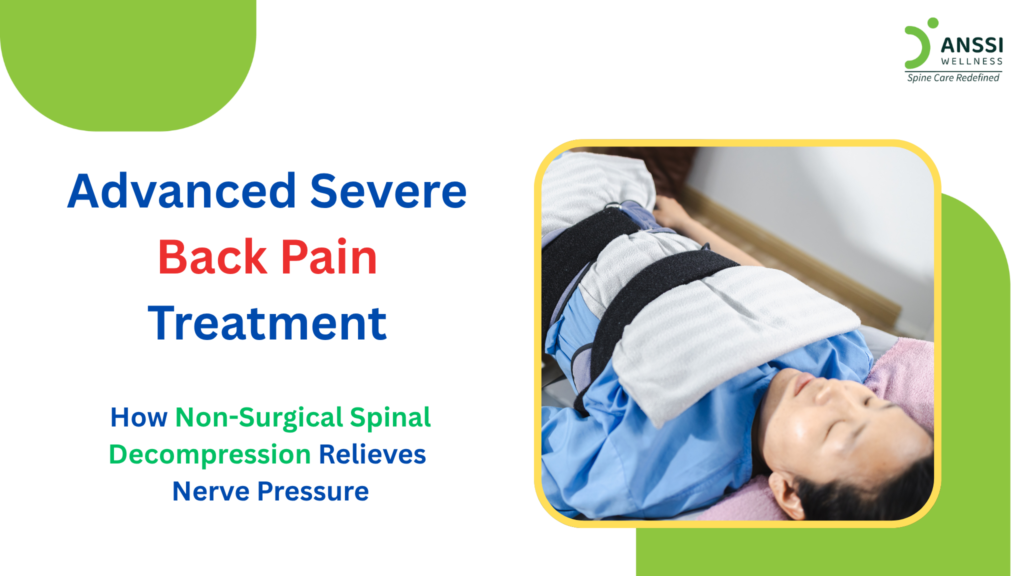
This technique uses specialised equipment to gently stretch the spine in a controlled and precise manner. The goal is to reduce pressure on the spinal discs and nerves, allowing the affected area to heal naturally.
Unlike surgery, there are no cuts, anaesthesia, or hospital stays involved. Patients can continue their normal routine while receiving treatment, making it highly suitable for working professionals and active individuals.
How Spinal Decompression Relieves Nerve Pressure
The effectiveness of spinal decompression lies in how it works inside the spine.
- During treatment, the spine is gently stretched using advanced equipment that applies specific and calculated traction.
- This controlled stretching creates negative pressure within the spinal discs. As a result, bulging or herniated discs can begin to move back toward their normal position, reducing the pressure on nearby nerves.
- When nerve compression decreases, symptoms such as pain, numbness, and weakness also start improving.
- At the same time, the negative pressure helps increase the flow of oxygen, water, and essential nutrients to the damaged disc area.
- This improved circulation supports the body’s natural healing process, reduces inflammation, and promotes tissue repair.
- Over time, patients experience significant pain relief, better mobility, and improved spinal function.
Unlike treatments that only manage pain, spinal decompression helps treat the source of the problem.
Benefits of Non-Surgical Spinal Decompression
One of the biggest advantages of spinal decompression is that it is completely non-surgical. There is no need for hospitalisation, injections, or long recovery periods. This makes it a safer and more convenient option for many patients.
Another major benefit is minimal downtime. Most patients can continue their work and daily responsibilities while undergoing treatment, which is especially important for busy professionals.
Spinal decompression also provides long-term relief by addressing the root cause of pain rather than masking symptoms. It improves spinal health, reduces the risk of recurrence, and helps patients regain confidence in movement.
For people suffering from chronic disc-related pain, sciatica, or spondylosis, this treatment offers a more sustainable solution compared to repeated medication use or invasive procedures.
Who Can Benefit from This Treatment?
Non-surgical spinal decompression is suitable for patients dealing with severe back pain caused by a slipped disc, disc bulge, sciatica, spondylosis, or chronic nerve compression.
Working professionals with posture-related pain, elderly individuals with age-related spinal degeneration, and patients who have been advised surgery but want to explore alternatives can all benefit from this treatment.
However, a proper diagnosis by a qualified spine specialist is important to determine if decompression treatment is the right option for the condition.
About ANSSI:
ANSSI Wellness focuses on improving the quality of life for patients suffering from spinal issues, aiming to provide relief where other conventional treatments have failed. Through advanced Non-Surgical Spinal Decompression Treatment, ANSSI is committed to helping patients avoid surgery and recover in a safe, effective, and compassionate environment.
Connect with ANSSI Wellness on LinkedIn, Instagram, and Facebook for expert guidance.