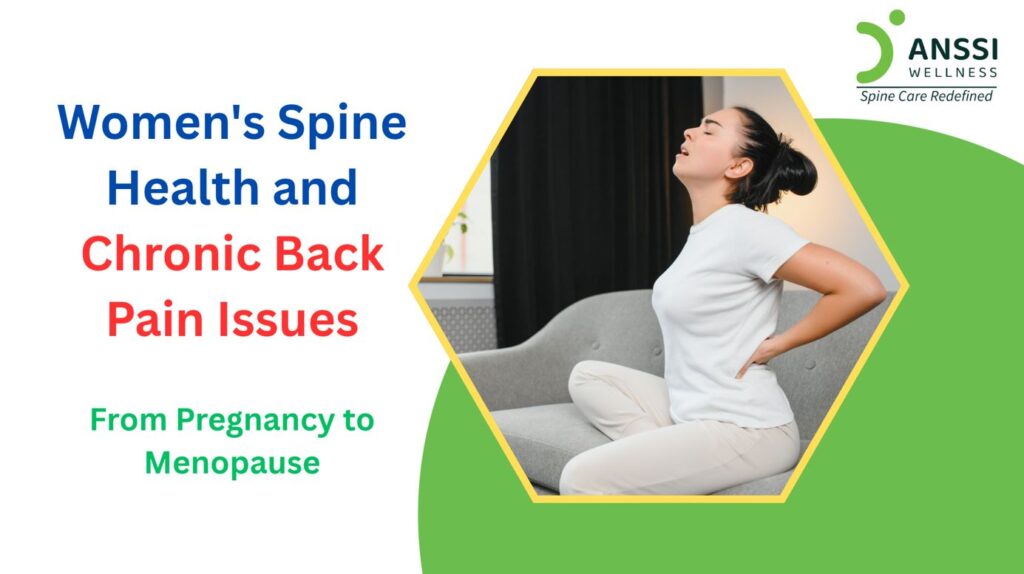
Back pain is a common health concern among women and can develop at different stages of life. Pregnancy, childbirth, hormonal fluctuations, ageing, and menopause can influence the muscles, joints, bones, and supporting structures of the spine.
While occasional discomfort may improve with rest and appropriate exercise, persistent back pain can interfere with daily activities, sleep, work, and overall quality of life.
How Different Life Stages Affect Women’s Spine Health
Understanding how the female body changes from pregnancy to menopause can help women recognise potential risk factors, protect their spinal health, and seek appropriate treatment when necessary.
1. Pregnancy: Increased Stress on the Lower Back
Pregnancy brings several physical and hormonal changes that can affect spinal health.
- As the baby grows, a woman’s body weight increases, and her centre of gravity shifts forward. This can change the natural alignment of the spine and increase the mechanical demands on the lower back.
- Hormonal changes, including increased relaxin levels, help loosen ligaments around the pelvis in preparation for childbirth. However, increased ligament flexibility may also contribute to pelvic discomfort and reduced joint stability in some women.
Common pregnancy-related symptoms include:
- Lower back pain, particularly after prolonged standing or sitting
- Pelvic discomfort while walking or changing positions
- Muscle fatigue and stiffness
- Pain that may extend towards the buttocks or thighs
Maintaining suitable physical activity, practising pregnancy-appropriate exercises, and using supportive sitting and sleeping positions can help manage discomfort.
2. Postpartum Period: Back Pain After Childbirth
Back discomfort does not always disappear after delivery. The postpartum period introduces new physical demands that may aggravate existing pain.
- Repeatedly lifting and carrying a baby, bending over a cot, and breastfeeding in unsupported positions can strain the neck, shoulders, and lower back.
- Pregnancy-related changes in abdominal muscles and reduced core strength may also affect spinal support during recovery.
Women can reduce unnecessary strain by:
- Keeping the baby close to the body while lifting
- Bending the hips and knees instead of repeatedly rounding the back
- Using pillows to support the arms and back while breastfeeding
- Avoiding prolonged bending over the cot
- Beginning gentle walking and rehabilitation exercises when medically cleared
Women recovering from a caesarean delivery or complicated childbirth should follow their doctor’s advice before starting an exercise programme.
3. Perimenopause and Menopause: Hormonal Changes and Bone Health
As women approach menopause, declining oestrogen levels can affect bone metabolism and contribute to a reduction in bone density. This can increase the risk of osteoporosis, particularly when combined with factors such as ageing, inadequate calcium or vitamin D intake, low physical activity, and family history.
Osteoporosis weakens bones and increases the risk of fractures. In some cases, a vertebral compression fracture can cause sudden back pain, loss of height, or changes in spinal posture.
Menopause may also coincide with changes in muscle strength, body composition, and joint comfort. However, not every woman experiences chronic back pain during this stage, and hormonal changes should not automatically be assumed to be the cause.
Bone-health assessment, including a bone mineral density test when indicated, can help identify women at increased risk.
Practical Tips to Manage Back Pain and Protect Your Spine
Women can support spinal health through consistent lifestyle habits and appropriate physical activity.
- Stay Physically Active: Gentle walking, swimming, and suitable low-impact exercises can help maintain mobility and general fitness. Pregnant women should choose activities approved by their healthcare professional.
- Strengthen Supporting Muscles: Physiotherapist-guided exercises can improve abdominal, pelvic, hip, and back muscle strength. Exercise selection should reflect the woman’s life stage, fitness level, and medical condition.
- Maintain Correct Lifting Techniques: Keep objects close to the body, bend through the hips and knees, and avoid sudden twisting while lifting. These techniques are particularly useful when caring for young children.
- Improve Sitting and Sleeping Posture: Use a supportive chair, avoid prolonged static positions, and take regular movement breaks. During breastfeeding, support the arms and bring the baby towards the body rather than repeatedly bending forward.
- Support Bone Health: Include calcium-rich foods, adequate protein, and vitamin D as part of a balanced diet. Weight-bearing and resistance exercises can help maintain bone strength when appropriate. Women diagnosed with osteoporosis may also require prescribed medication and a supervised exercise programme.
Symptoms That Require Medical Attention
Back pain should not always be attributed to pregnancy, ageing, or menopause. Certain symptoms may indicate an underlying spinal or medical condition requiring professional evaluation.
Consult a doctor if you experience:
- Persistent or progressively worsening back pain
- Pain radiating from the lower back into the buttocks or legs
- Tingling, numbness, or weakness in the legs
- Sudden severe back pain, particularly after a minor fall or injury
- Unexplained loss of height or increasing spinal curvature
- Pain that interferes with sleep or everyday activities
New bladder or bowel dysfunction, numbness around the groin or saddle area, or rapidly progressive leg weakness requires urgent medical attention. These symptoms may indicate serious nerve compression.
Non-Surgical Treatment Options for Long-Term Relief
Treatment depends on the underlying cause of back pain, the patient’s symptoms, and clinical findings. Many women can benefit from non-surgical approaches.
Medical Assessment
A doctor may recommend a physical examination and investigations such as X-rays, MRI, or bone density testing when clinically indicated.
Physiotherapy
Individualised rehabilitation can improve flexibility, strengthen supporting muscles, restore movement, and help women return to daily activities.
Medication
Doctors may prescribe suitable pain-relieving or anti-inflammatory medicines when necessary. Medication choices require particular care during pregnancy and breastfeeding. Patients should not self-medicate.
Osteoporosis Management
When osteoporosis is diagnosed, treatment may include prescribed medication, adequate calcium and vitamin D, appropriate exercise, and measures to prevent falls and fractures.
Non-Surgical Spinal Decompression Treatment (NSSDT)
For selected patients with certain disc-related conditions, computer-controlled spinal decompression may be considered as an additional treatment option. It applies controlled stretching forces to selected spinal segments and may help manage symptoms and provide long-term pain relief.
About ANSSI:
ANSSI Wellness focuses on improving the quality of life for patients suffering from spinal issues, aiming to provide relief where other conventional treatments have failed. Through advanced Non-Surgical Spinal Decompression Treatment, ANSSI is committed to helping patients avoid surgery and recover in a safe, effective, and compassionate environment.
Book Consultation:
Call +91 9004726844 | 9920936844
Visit www.anssiwellness.com
Connect with ANSSI Wellness on LinkedIn, Instagram, and Facebook for expert guidance.
Clinical References:
- Wu WH, Meijer OG, Uegaki K, et al. Pregnancy-related pelvic girdle pain (PPP), I: Terminology, clinical presentation, and prevalence. European Spine Journal. 2004;13(7):575-589.
- Pennick V, Liddle SD. Interventions for preventing and treating pelvic and back pain in pregnancy. Cochrane Database of Systematic Reviews. 2013;(8):CD001139.
- Gutke A, Lundberg M, Östgaard HC, Öberg B. Impact of postpartum lumbopelvic pain on disability, pain intensity, health-related quality of life, activity level, kinesiophobia, and depressive symptoms. European Spine Journal. 2011;20(3):440-448.
- Compston JE, McClung MR, Leslie WD. Osteoporosis. Lancet. 2019;393(10169):364-376.
- Ramos G., MD. Efficacy of Vertebral Axial Decompression (VAX-D) on Chronic Low Back Pain: A Study of Dosage Regimen. Journal of Neurological Research, Volume 26, April 2004.