
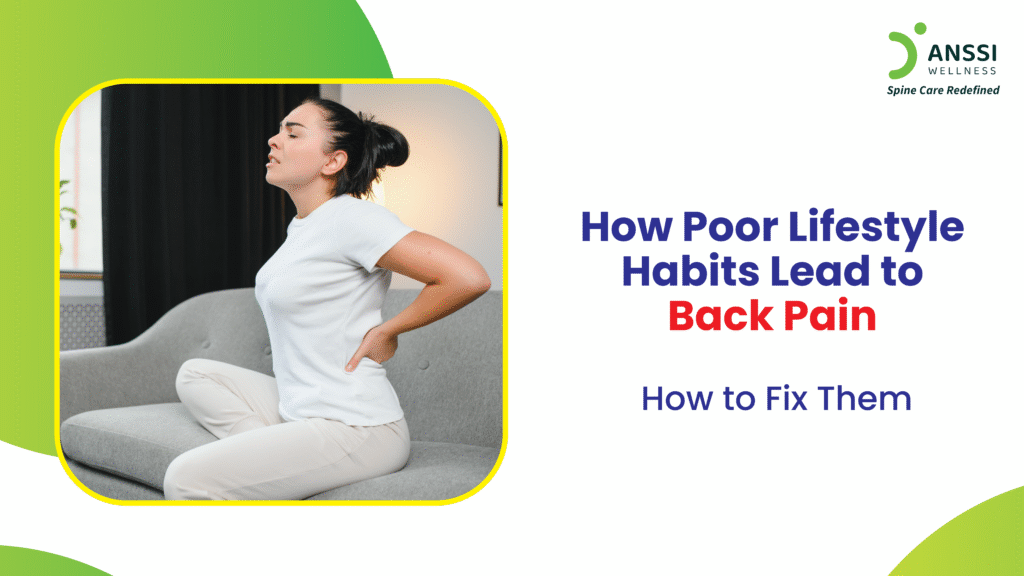
Back pain has quietly become one of the most common health issues of the modern era. From long sitting hours to constant screen use, our daily habits are placing enormous strain on the spine. What many people don’t realise is that most cases of back pain are not caused by sudden injury but by years of lifestyle patterns that gradually weaken the back.
The good news? With awareness, timely action, and the right non-surgical treatments, back pain can be prevented and even reversed.
How Sedentary Behaviour Affects the Spine
Sedentary behaviour has become a defining feature of today’s lifestyle. Working for long hours on a laptop, commuting in traffic, and spending evenings watching TV leave very little time for movement. When the body remains still for too long, the muscles that support the spine become weak.
- Sitting for extended periods causes the hip flexors to tighten and the lower back muscles to overstretch, creating an imbalance that leads to chronic pain.
- Poor posture, like slouching, leaning forward, or hunching over the phone, adds further strain.
- Digital habits also contribute to “tech neck,” where the forward tilt of the head puts additional pressure on the cervical spine.
When joints and muscles do not move enough, they receive less blood flow, resulting in stiffness, inflammation, and reduced mobility. Over time, this sedentary pattern becomes a major trigger for persistent back and neck pain.
Obesity and Its Influence on Spine Health
Excess body weight is another major contributor to back pain. When a person gains weight, especially around the abdomen, the body’s centre of gravity shifts forward. This change forces the spine to compensate, placing increased pressure on the vertebrae, discs, and supporting muscles.
The intervertebral discs, which act as shock absorbers, must work harder when the load increases. This accelerates degeneration and increases the risk of disc bulge or herniation.
Additionally, obesity is linked to higher levels of inflammation in the body, which can worsen chronic pain conditions.
The encouraging side is that even modest weight loss can significantly reduce stress on the spine, improve posture, and enhance mobility. Combining physical activity with a balanced diet can play a crucial role in restoring spinal health.
The Role of Stress in Back Pain
Stress is often overlooked when discussing back pain, but it plays a critical role. When the body is under continuous stress, it tends to hold tension, especially in the neck, shoulders, and lower back. This constant tightening leads to muscle fatigue, stiffness, and pain.
Stress also disrupts sleep patterns, and poor sleep reduces the body’s ability to repair tissues, contributing to further discomfort. The mind-body connection is powerful. Mental strain often shows up as physical pain, especially in the spine and surrounding muscles.
Managing stress through relaxation techniques, mindfulness, deep breathing, and yoga can significantly reduce muscle tension and improve spinal comfort.
Fixing Poor Habits: Simple Lifestyle Changes
The first step toward managing lifestyle-driven back pain is recognising the habits that cause it. Small, consistent adjustments can create major improvements:
1. Correct Posture
Maintaining proper posture while sitting, working, and standing is essential. Ensure that your spine is neutral, shoulders are relaxed, and screens are at eye level. Avoid slouching or bending the neck forward for long periods.
2. Move Frequently
Take movement breaks every 45-60 minutes. A quick walk, stretching routine, or even standing for a few minutes helps improve circulation and relieve muscle tension.
3. Strengthen the Core
A strong core supports the spine. Incorporating simple exercises such as planks, bridges, and gentle yoga can build strength and stability.
4. Watch Your Weight
Adopting a balanced diet rich in whole foods, fruits, vegetables, and lean protein helps in maintaining a healthy weight. Regular physical activity complements weight management and supports spinal health.
5. Reduce Stress
Mindfulness, meditation, breathing exercises, and adequate sleep are vital for reducing stress-related muscle tension. Even 10 minutes of relaxation practice daily can make a difference.
Non-Surgical Treatment Options for Back Pain
Not all back pain requires medication or surgery. Many cases respond exceptionally well to non-surgical treatment methods that address the root cause rather than just the symptoms.
Physiotherapy
Physiotherapy helps improve mobility, strengthen muscles, and correct postural imbalances. Guided exercises and manual therapy can significantly reduce pain and improve daily functioning.
Heat and Cold Therapy
Heat relaxes tight muscles and improves blood flow, while cold therapy reduces inflammation and numbs sharp pain. Using these alternately can be highly effective in early pain management.
Ergonomic Correction
Improving workstation ergonomics, for example, adjusting chair height, using lumbar support, or positioning screens correctly, can eliminate posture-related strain.
Posture Training
Learning correct movement patterns and techniques for lifting, bending, and sitting helps prevent recurring pain.
Non-Surgical Spinal Decompression Treatment
One of the most advanced non-surgical options, spinal decompression gently stretches the spine to relieve pressure on compressed discs and nerves. It is particularly effective for disc bulge, herniated discs, sciatica, and chronic lower back pain. This treatment is drug-free, painless, and utilises the USA-based spinal decompression technology to help patients recover without surgery.
About ANSSI:
ANSSI Wellness focuses on improving the quality of life for patients suffering from spinal issues, aiming to provide relief where other conventional treatments have failed. Through advanced Non-Surgical Spinal Decompression Treatment, ANSSI is committed to helping patients avoid surgery and recover in a safe, effective, and compassionate environment.
Connect with ANSSI Wellness on LinkedIn, Instagram, and Facebook for expert guidance.