
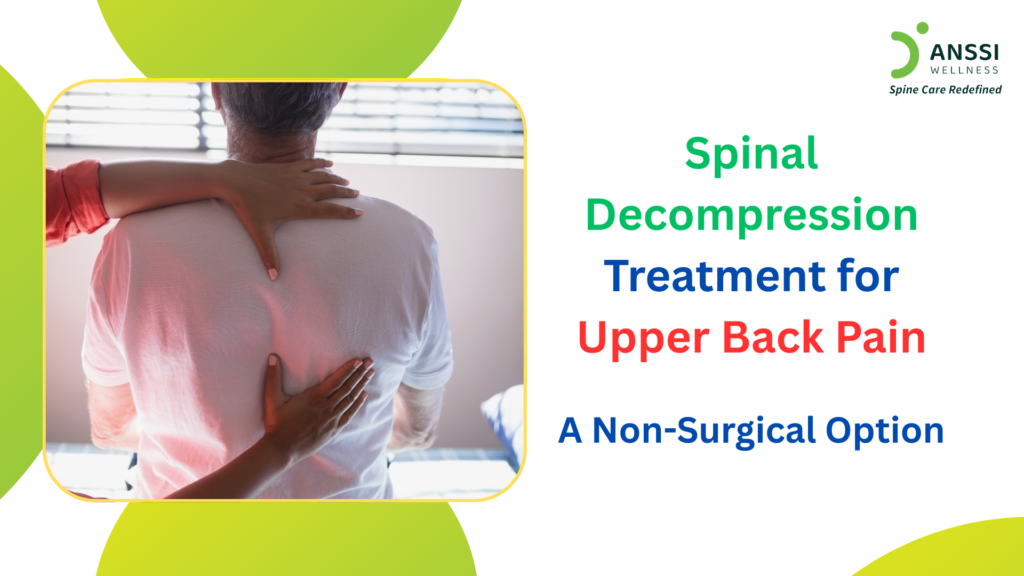
Upper back pain, also known as thoracic spine pain, is an increasingly common complaint in today’s sedentary and screen-driven lifestyle. While lower back and neck pain often receive more attention, discomfort in the upper back (between the shoulder blades) can significantly affect posture, breathing, work efficiency, and overall quality of life.
Many people ignore early symptoms, assuming the pain is temporary or muscular. However, persistent upper back pain may indicate deeper spinal issues that require timely, non-surgical care.
Understanding Upper Back Pain
The thoracic spine is designed to provide stability and protect vital organs while allowing limited movement. Because of this structural rigidity, pain in this region is often related to postural stress, muscle imbalance, or disc-related problems rather than sudden injury. Prolonged sitting, poor ergonomics, and lack of spinal mobility gradually overload this area, leading to chronic discomfort if left untreated.
Common Causes of Upper Back Pain
1. Poor Posture and Prolonged Sitting
Slouching, rounded shoulders, and forward head posture place continuous strain on the thoracic spine. Long hours at desks or on mobile devices compress the upper spinal discs and fatigue surrounding muscles.
2. Muscle Strain and Overuse
Repetitive movements, improper lifting techniques, or prolonged standing can overwork the muscles of the upper back, leading to tightness and pain.
3. Thoracic Disc Bulge or Degeneration
Although less common than lumbar disc issues, disc bulges in the thoracic region can occur due to prolonged compression, ageing, or poor spinal mechanics. These bulges may irritate nearby nerves or cause localised pain.
4. Spinal Stiffness and Joint Dysfunction
Limited movement in the thoracic spine can result in joint stiffness, making routine activities uncomfortable and reducing overall spinal flexibility.
5. Stress and Muscle Tension
Emotional stress often manifests physically in the shoulders and upper back, causing persistent muscle tightness and fatigue.
Symptoms Associated with Upper Back Pain
Upper back pain may present differently from person to person.
Common symptoms include:
- A dull or sharp pain between the shoulder blades
- Burning or aching sensations across the upper back
- Muscle stiffness and reduced range of motion
- Pain that worsens with sitting, bending, or prolonged standing
- Fatigue or heaviness in the upper back muscles
In some cases, pain may radiate toward the chest or shoulders, making it important to rule out non-spinal causes through proper medical evaluation.
Diagnostic Tests for Upper Back Pain
Accurate diagnosis is the foundation of effective treatment. A comprehensive assessment typically includes:
- Clinical Examination: A spine specialist evaluates posture, spinal alignment, muscle strength, and mobility to identify functional imbalances.
- MRI Scan: MRI is the gold standard for detecting thoracic disc bulges, degeneration, inflammation, or nerve compression.
- X-rays: X-rays help assess spinal alignment, curvature, and structural abnormalities such as excessive kyphosis or joint changes.
These diagnostic tools allow doctors to design a targeted, non-surgical treatment plan rather than relying on temporary pain relief measures.
What is Non-Surgical Spinal Decompression Treatment?
Non-Surgical Spinal Decompression Treatment is an advanced, non-invasive treatment designed to relieve pressure on spinal discs and nerves. Unlike manual traction, this technology uses a computer-controlled table to apply precise, gentle stretching to the spine.
For upper back pain, decompression focuses on the thoracic region to:
- Reduce pressure within compressed or bulging discs
- Improve disc hydration and nutrient flow
- Relieve stress on surrounding muscles and ligaments
- Promote natural healing of spinal tissues
How Spinal Decompression Helps Upper Back Pain
When spinal discs are compressed, they lose hydration and flexibility, increasing pain and stiffness. Spinal decompression creates negative pressure inside the disc, encouraging it to retract to its normal position. This reduces irritation of nearby structures and restores healthy movement.
Patients often experience:
- Gradual reduction in pain and stiffness
- Improved posture and spinal mobility
- Decreased muscle tension in the upper back and shoulders
- Better tolerance for sitting and daily activities
Because the treatment is non-invasive, it involves no surgery, injections, or medication, making it a safe option for many individuals.
Who Can Benefit from Spinal Decompression?
Spinal decompression may be suitable for people with:
- Chronic upper back pain lasting several weeks or months
- Thoracic disc bulge or degenerative disc changes
- Posture-related spinal compression
- Upper back stiffness unresponsive to rest or physiotherapy
However, individuals with fractures, severe osteoporosis, spinal infections, or certain medical conditions may require alternative treatments. A thorough consultation is essential to determine suitability.
Complementary Therapies for Better Results
Spinal decompression works best as part of a comprehensive, non-surgical care program.
It is often combined with:
- Physiotherapy to strengthen postural and core muscles
- Posture correction and ergonomic guidance
- Heat or cold therapy to manage muscle tension
- Stretching and mobility exercises to maintain results
About ANSSI:
ANSSI Wellness focuses on improving the quality of life for patients suffering from spinal issues, aiming to provide relief where other conventional treatments have failed. Through advanced Non-Surgical Spinal Decompression Treatment, ANSSI is committed to helping patients avoid surgery and recover in a safe, effective, and compassionate environment.
Connect with ANSSI Wellness on LinkedIn, Instagram, and Facebook for expert guidance.