Chronic back and neck pain has become increasingly common in today’s sedentary and high-stress lifestyles. Long working hours, poor posture, lack of physical activity, and age-related spinal degeneration often place continuous strain on the spine. For many individuals, pain does not remain limited to discomfort, but it progresses into nerve-related symptoms such as tingling, numbness, weakness, and reduced mobility.
While surgery was once considered the primary solution for severe spinal conditions, advances in medical technology have introduced safer, non-invasive alternatives. One such breakthrough is Non-Surgical Spinal Decompression Treatment, a procedure designed to address the root cause of spinal pain without surgery.
What is Non-Surgical Spinal Decompression Treatment?
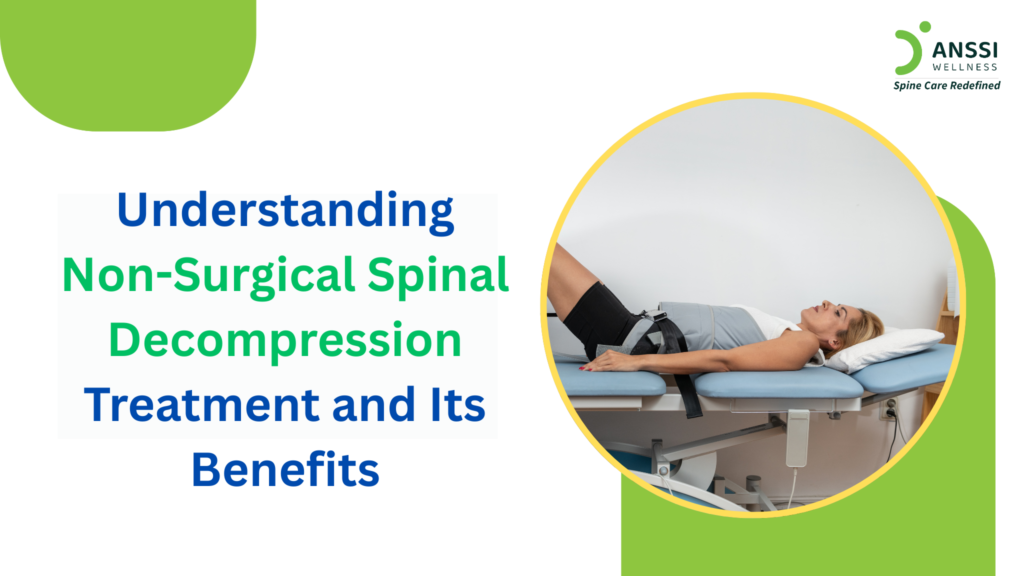
Non-Surgical Spinal Decompression Treatment is an advanced, computer-controlled technology that gently stretches the spine in a precise and targeted manner. Unlike surgical procedures, injections, or long-term medication use, this treatment works externally and non-invasively. The primary objective is to relieve pressure on compressed spinal discs and nerves, allowing the spine to heal naturally.
This treatment is commonly recommended for conditions such as disc bulge, herniated or slipped discs, sciatica, degenerative disc disease, spinal stenosis, and chronic neck or back pain. It is particularly beneficial for individuals who wish to avoid surgery or for those who are not suitable surgical candidates.
How Non-Surgical Spinal Decompression Works
The treatment is performed using a specialised motorised decompression table.
- During the session, the patient lies comfortably while harnesses are placed around specific regions of the body.
- The table then applies controlled decompression forces to the spine based on the patient’s diagnosis.
- This gentle stretching creates negative pressure within the intervertebral discs.
- As a result, bulging or herniated disc material can retract back toward its original position.
- The reduction in disc pressure helps relieve compression on spinal nerves, which is often the main cause of pain, numbness, and radiating symptoms.
Additionally, decompression improves blood circulation and encourages the flow of oxygen, water, and nutrients into the discs. This enhanced nutrient exchange supports disc rehydration and accelerates the body’s natural healing process.
Conditions That Can Benefit from Spinal Decompression
Non-Surgical Spinal Decompression Treatment is effective for a wide range of spine-related conditions, including:
- Disc Bulge and Herniated Disc: Reduces disc protrusion and nerve irritation
- Sciatica: Relieves pressure on the sciatic nerve, reducing leg pain
- Degenerative Disc Disease: Supports disc health and slows further degeneration
- Pinched Nerve: Decreases nerve compression and associated symptoms
- Chronic Neck and Lower Back Pain: Addresses mechanical causes of long-standing pain
By targeting the underlying cause rather than masking symptoms, decompression treatment offers long-term relief for many patients.
Key Benefits of Non-Surgical Spinal Decompression
One of the biggest advantages of spinal decompression is that it provides effective pain relief without surgery. This eliminates the risks associated with invasive procedures, such as infection, scarring, or prolonged recovery periods.
Other key benefits include:
- No injections or long-term medication dependency
- No hospitalisation or bed rest required
- Painless and comfortable treatment sessions
- Improved spinal mobility and flexibility
- Reduced inflammation and nerve irritation
- Faster return to daily activities
For patients who have struggled with persistent pain despite physiotherapy or medications, spinal decompression often provides a renewed sense of hope.
What to Expect During the Treatment Process
Before starting treatment, a detailed consultation is conducted. This includes reviewing medical history, performing a physical examination, and analysing diagnostic reports such as X-rays or MRI scans. These steps ensure that spinal decompression is safe and suitable for the patient’s condition.
Each session typically lasts between 30 to 45 minutes. A full treatment plan usually consists of 20 to 28 sessions spread over 5 to 7 weeks, depending on the severity of the condition.
Most patients begin noticing improvement within the first few sessions, while gradual and sustained relief continues as the treatment progresses.
Spinal decompression is often combined with complementary therapies such as physiotherapy, posture correction, ergonomic guidance, and strengthening exercises to maximise results and prevent recurrence.
Who is an Ideal Candidate?
While spinal decompression is highly effective, it is not suitable for everyone.
Patients with spinal fractures, severe osteoporosis, spinal instability, infections, or certain implants may require alternative treatments. This is why professional evaluation is essential before beginning the treatment.
Under expert supervision, clinics such as ANSSI Wellness use advanced diagnostic protocols to ensure personalised and safe treatment plans for each patient.
The Importance of Early Intervention
One of the most critical aspects of managing spinal pain is early intervention.
Ignoring symptoms or relying solely on painkillers can allow spinal conditions to worsen over time, potentially leading to nerve damage or chronic disability. Non-Surgical Spinal Decompression Treatment offers a proactive approach by addressing spinal issues before surgery becomes necessary.
About ANSSI:
ANSSI Wellness focuses on improving the quality of life for patients suffering from spinal issues, aiming to provide relief where other conventional treatments have failed. Through advanced Non-Surgical Spinal Decompression Treatment, ANSSI is committed to helping patients avoid surgery and recover in a safe, effective, and compassionate environment.
Connect with ANSSI Wellness on LinkedIn, Instagram, and Facebook for expert guidance.