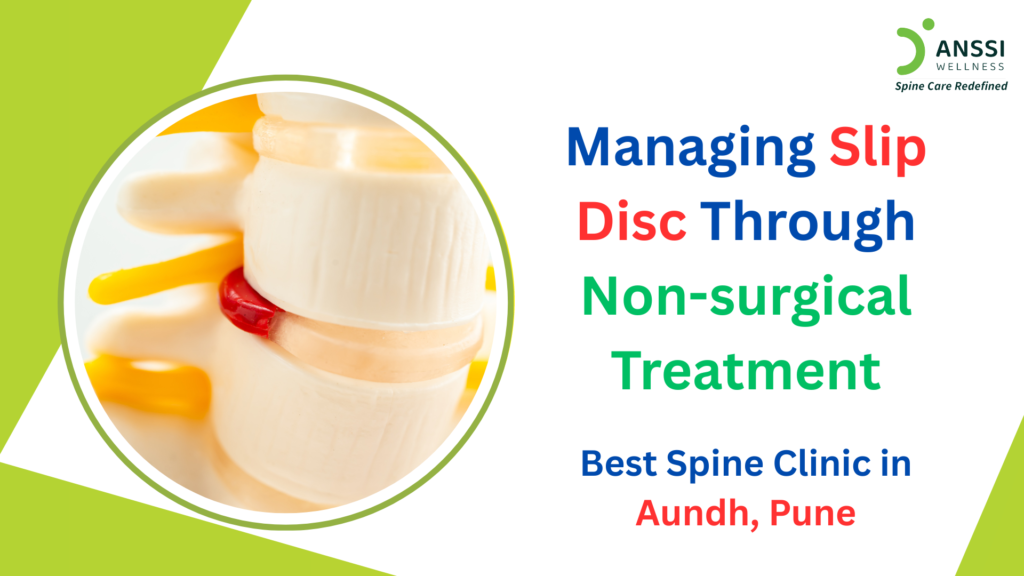
A slip disc is one of the most common yet distressing spine-related conditions seen today. Often misunderstood as a minor back problem, a slip disc can cause intense pain, nerve compression, and serious limitations in movement if not treated properly.
With modern lifestyles involving long sitting hours, poor posture, and minimal physical activity, the number of people affected by slip disc issues is steadily rising. Understanding the condition and choosing the right treatment approach can make a significant difference in achieving long-term relief.
Understanding a Slip Disc
A slip disc, medically referred to as a herniated or prolapsed disc, occurs when one of the soft, cushion-like discs between the spinal vertebrae moves out of its normal position. These discs act as shock absorbers and allow flexibility to the spine. When the outer layer of the disc ruptures, the inner material can leak through and press against nearby nerves, causing pain and neurological symptoms.
Slip discs most commonly affect the lumbar spine (lower back) and cervical spine (neck), as these regions are exposed to maximum movement and stress. Depending on the location and severity, the condition can range from mild discomfort to debilitating pain.
Common Causes of a Slip Disc
There are several factors that contribute to the development of a slip disc.
- One of the primary causes is age-related disc degeneration, where spinal discs lose hydration and elasticity over time, making them more prone to injury.
- Other common causes include prolonged sitting, especially with poor posture, improper lifting techniques, sudden twisting or bending movements, obesity, and lack of physical exercise.
- Sedentary lifestyles and weak core muscles further increase stress on the spine.
- In some cases, repetitive strain or trauma can also lead to disc herniation.
Key Symptoms and Warning Signs
The symptoms of a slip disc vary depending on which nerve is affected.
- Many patients experience persistent back or neck pain that may worsen with movement, sitting, or standing for long periods.
- Pain may radiate to the arms or legs, a condition often associated with sciatica in lumbar disc herniation.
- Other warning signs include tingling, numbness, muscle weakness, stiffness, and reduced flexibility.
- Simple activities such as bending, walking, or even sleeping comfortably may become difficult. If left untreated, nerve compression can worsen over time, leading to chronic pain and functional limitations.
Why Timely Treatment is Important
Ignoring slip disc symptoms or relying only on painkillers and rest can lead to long-term complications. While medications may temporarily reduce pain, they do not address the root cause of disc compression. Over time, continued nerve pressure can result in increased pain, muscle weakness, and reduced mobility.
In many cases, patients are advised to consider surgery when pain becomes severe or persistent. However, spinal surgery involves risks, high costs, and long recovery periods, and outcomes may vary.
This makes early, non-invasive, and root-cause-focused treatment crucial for effective and lasting recovery.
Non-Surgical Spinal Decompression Treatment (NSSDT)
Non-Surgical Spinal Decompression Treatment (NSSDT) is an advanced, USA protocol-based treatment designed to treat slip disc conditions safely and effectively without surgery.
- The treatment uses a computer-controlled system to gently stretch the spine in a precise and controlled manner.
- This controlled decompression creates negative pressure within the spinal discs, helping bulging or herniated discs retract back into their natural position.
- As pressure on the nerves reduces, pain decreases, and normal nerve function begins to restore.
- Improved blood flow and nutrient supply further support the body’s natural healing process.
NSSDT is completely non-invasive, drug-free, and injection-free. It does not require hospitalisation or downtime, making it suitable for individuals seeking long-term relief without disrupting their daily routine.
Why Choose ANSSI Wellness Aundh, Pune
When it comes to effective slip disc treatment, choosing the right spine care clinic is essential. ANSSI Wellness Aundh, Pune, is recognised as one of the most trusted destinations for non-surgical spine care.
The Aundh clinic is equipped with advanced spinal decompression technology and follows globally accepted treatment protocols. Every patient undergoes a detailed evaluation, including clinical assessment and MRI review, to identify the exact cause and severity of the slip disc. Based on this analysis, a personalised treatment plan is created to ensure optimal outcomes.
ANSSI Wellness is supported by experienced spine specialists and trained healthcare professionals who focus on patient education, safety, and long-term recovery. Thousands of patients have successfully avoided surgery and returned to active, pain-free lives through non-surgical spinal decompression.
For residents of Pune and nearby areas, the Aundh clinic offers expert care, advanced technology, and a patient-centric approach under one roof.
Moving Towards a Pain-Free Life
Living with a slip disc does not mean living with constant pain or limitations.
With timely diagnosis and the right non-surgical treatment, long-term relief is possible. Non-Surgical Spinal Decompression Treatment at ANSSI Wellness Aundh, Pune offers a safe, effective, and proven alternative to surgery for slip disc sufferers.
If you are experiencing persistent back or neck pain, radiating pain, or numbness, it is time to seek expert care. Consult ANSSI Wellness Aundh, Pune, and take a confident step toward lasting relief, improved mobility, and a healthier, pain-free future, naturally and non-surgically.