Back pain is one of the most common health complaints, yet it is often misunderstood and underestimated. Many people assume their discomfort is due to muscle strain or fatigue and expect it to resolve on its own. However, persistent or worsening back pain may indicate a deeper spinal issue.
One of the most common causes of chronic back pain is a slipped disc, also known as a disc bulge or herniation. Identifying the condition early and choosing the right treatment can make a significant difference in recovery and long-term spine health.
When Back Pain Signals a Deeper Problem
Occasional back pain after physical activity or long hours of sitting is usually harmless. But when pain lasts for weeks, returns frequently, or starts spreading to other areas, it should not be ignored.
A slipped disc can gradually compress nearby spinal nerves, leading to pain that becomes more intense and difficult to manage over time. Early evaluation helps prevent the condition from worsening and reduces the need for invasive treatments later.
What is a Slipped Disc and Why Does It Cause Pain?
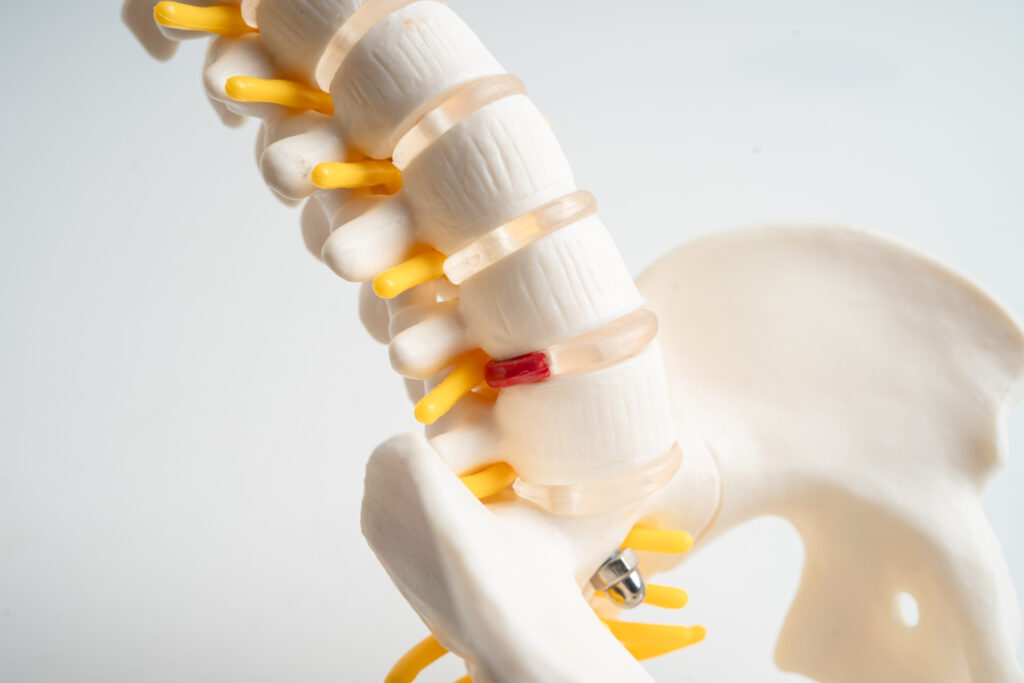
The spine is made up of vertebrae separated by intervertebral discs that act as cushions and shock absorbers. These discs have a soft inner core surrounded by a tougher outer layer. A slipped disc occurs when the outer layer weakens and the inner material leaks outward. When this material presses against nearby nerves, it disrupts nerve signals and causes pain.
Depending on the location of the slipped disc, symptoms may appear in the lower back, neck, arms, or legs. Nerve compression is the primary reason why slipped disc pain is often sharp, radiating, and persistent compared to ordinary back pain.
Key Symptoms That Help Identify Slipped Disc Pain
Slipped disc pain has distinct characteristics.
- One of the most common signs is back pain that radiates into the legs, a condition known as sciatica.
- Patients may also experience numbness, tingling, or a pins-and-needles sensation in the legs or feet.
- Weakness in the limbs and difficulty standing, walking, or sitting for long periods are also common.
- The pain often worsens with activities such as bending forward, lifting objects, prolonged sitting, or sudden movements.
- Unlike muscle pain, which usually improves with rest, slipped disc pain tends to persist or recur, indicating ongoing nerve compression.
Lifestyle and Postural Factors Behind Slipped Disc
Several lifestyle and postural habits contribute to the development of a slipped disc.
- Prolonged sitting, especially with poor posture, places continuous pressure on spinal discs. Office professionals, drivers, and individuals who spend long hours at a desk are particularly vulnerable.
- A sedentary lifestyle and weak core muscles reduce spinal stability, making discs more prone to injury.
- Sudden twisting movements, heavy lifting without proper technique, and repetitive strain further increase the risk.
- Age-related disc degeneration also plays a role, as discs lose hydration and elasticity over time, making them more susceptible to bulging or herniation.
Why Conventional Treatments Often Fall Short
Many people initially rely on painkillers, muscle relaxants, or rest to manage slipped disc pain. While these methods may provide temporary relief, they do not address the underlying disc pressure or nerve compression. As a result, pain often returns once the medication wears off.
Surgery is sometimes suggested in severe cases, but it carries risks such as infection, a long recovery time, and uncertain outcomes. Not all patients are suitable candidates for surgery, and some may continue to experience pain even after the procedure. This makes non-surgical, root-cause-focused treatments a preferred option for many individuals.
Non-Surgical Spinal Decompression Treatment: Targeting the Root Cause
Non-Surgical Spinal Decompression Treatment offers a safe and effective solution for slipped disc-related pain.
This advanced treatment uses a specialised decompression table to gently stretch the spine in a controlled manner. The process creates negative pressure within the affected discs, allowing bulging or herniated material to retract and relieving pressure on compressed nerves.
By improving blood flow and nutrient delivery to the discs, spinal decompression promotes natural healing and reduces inflammation. The treatment is non-invasive, drug-free, and does not require hospitalisation or downtime. Over a series of personalised sessions, many patients experience significant pain reduction, improved mobility, and better nerve function.
Why Choose ANSSI Wellness Kalyan
ANSSI Wellness’s Kalyan clinic is a trusted centre for non-surgical spine care. Equipped with advanced Non-Surgical Spinal Decompression technology, the clinic focuses on treating the root cause of slipped disc pain rather than masking symptoms.
Each patient undergoes a thorough evaluation, including medical history, physical assessment, and review of diagnostic reports. Based on this, a customised treatment plan is designed, often combining spinal decompression with physiotherapy, posture correction, and lifestyle guidance. This holistic approach offers long-term relief and improved quality of life.
Choosing a Safer Path to Recovery
A slipped disc does not have to dictate your daily activities or future health. With timely diagnosis and the right non-surgical treatment, lasting relief is achievable. Non-Surgical Spinal Decompression Treatment at ANSSI Wellness Kalyan offers a proven, safe alternative to surgery and long-term medication.