Neck pain and lower back pain are no longer problems limited to old age. With increasing screen time, sedentary work routines, and poor posture, spinal degeneration is being diagnosed in younger adults more than ever before.
Two of the most common spine conditions responsible for chronic discomfort are cervical spondylosis and lumbar spondylosis. While these conditions can sound alarming, early diagnosis and the right non-surgical treatment approach can help patients achieve long-term relief without surgery or heavy medication.
What is Cervical and Lumbar Spondylosis?
Spondylosis is a degenerative condition of the spine that develops due to wear and tear over time. When it affects the neck region, it is known as cervical spondylosis, and when it affects the lower back, it is called lumbar spondylosis.
The spine is made up of vertebrae separated by soft spinal discs that act as shock absorbers. With age and repeated stress, these discs lose hydration and elasticity. This leads to reduced disc height, joint stiffness, and sometimes the formation of bone spurs. These changes can irritate nearby nerves, causing pain, stiffness, and neurological symptoms.
Although spondylosis is age-related, factors like prolonged sitting, poor ergonomics, obesity, and lack of exercise can significantly speed up the degeneration process.
Symptoms of Cervical and Lumbar Spondylosis
The symptoms of spondylosis vary depending on the location and severity of spinal degeneration.
Common symptoms of cervical spondylosis include:
- Chronic neck pain and stiffness
- Pain radiating to the shoulders, arms, or upper back
- Headaches, especially starting from the neck
- Tingling, numbness, or weakness in the hands
- Difficulty turning or holding the neck upright
Common symptoms of lumbar spondylosis include:
- Persistent lower back pain
- Stiffness after waking up or prolonged sitting
- Pain spreading to the hips, thighs, or legs
- Numbness, tingling, or weakness in the legs
- Difficulty walking, bending, or standing for long periods
Ignoring these symptoms may lead to worsening pain and reduced mobility over time.
What Causes Cervical and Lumbar Spondylosis?
While ageing is the primary cause, modern lifestyle habits play a major role in accelerating spinal degeneration.
Common contributing factors include:
- Poor posture while using laptops and mobile phones
- Long working hours without movement breaks
- Weak core and back muscles
- Excess body weight increasing spinal pressure
- Repetitive strain or previous spinal injuries
Understanding these causes helps in choosing treatments that address not just pain, but the underlying problem.
How is Spondylosis Diagnosed?
Accurate diagnosis is essential for effective treatment. A spine specialist will begin with a physical examination to assess posture, flexibility, muscle strength, and nerve function.
Diagnostic tests may include:
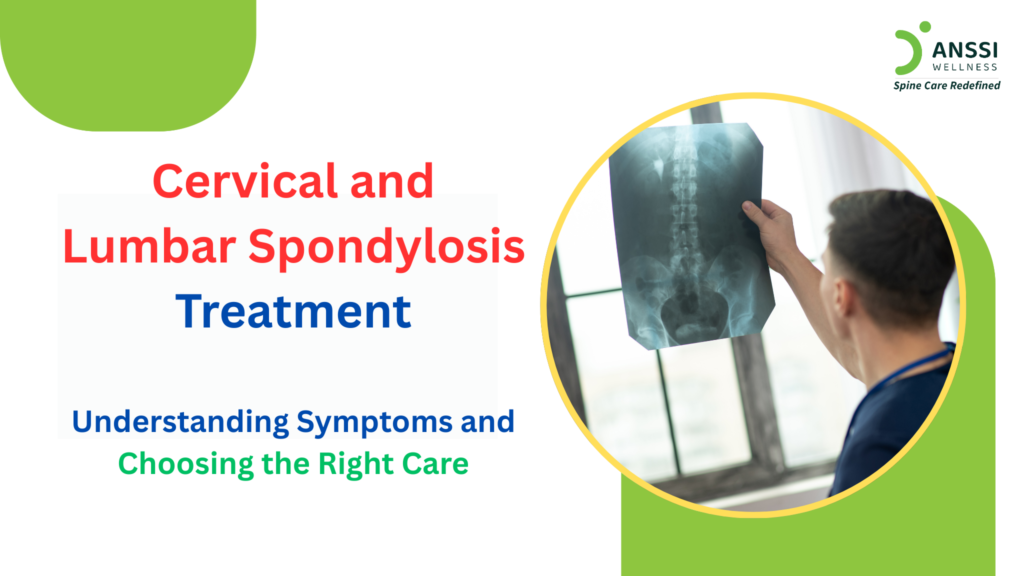
- X-rays to identify disc space narrowing and bone spurs
- MRI scans to detect disc degeneration and nerve compression
- Postural and movement analysis to identify biomechanical stress
These investigations help determine whether the pain is disc-related, nerve-related, or due to joint degeneration.
Cervical and Lumbar Spondylosis Treatment Options
Many patients believe that surgery or lifelong medication is unavoidable for spondylosis. In reality, most cases can be successfully managed through non-surgical treatment options, especially when treated early.
1. Physiotherapy and Exercise
Physiotherapy focuses on strengthening spinal muscles, improving flexibility, and correcting posture. Regular guided exercises help stabilise the spine and reduce pressure on affected discs.
2. Posture Correction and Lifestyle Modifications
Ergonomic seating, proper sleeping posture, weight management, and regular movement breaks play a critical role in reducing spinal stress and preventing symptom recurrence.
3. Non-Surgical Spinal Decompression Treatment
Non-Surgical Spinal Decompression is an advanced treatment option designed to treat the root cause of cervical and lumbar spondylosis. The treatment gently stretches the spine in a controlled manner, creating negative pressure within the spinal discs.
This helps:
- Reduce pressure on compressed nerves
- Allow bulging or degenerated discs to retract
- Improve circulation of oxygen, nutrients, and fluids to damaged discs
- Promote natural healing of spinal structures
Unlike painkillers, spinal decompression works on disc-related issues and provides long-term relief without surgery, injections, or medication dependency.
Why Surgery is Not Always the Best Option
Surgery is usually recommended only when there is severe nerve damage or loss of bowel or bladder control. In degenerative conditions like spondylosis, surgery does not always guarantee complete relief and often involves long recovery periods and potential risks.
Similarly, long-term use of pain medication only masks symptoms and may cause side effects. That’s why more patients today prefer non-surgical spondylosis treatment options that are safer and focus on restoring spinal health naturally.
Choosing the Right Care for Spondylosis
The most effective cervical and lumbar spondylosis treatment plan is one that is personalised and non-surgical. A comprehensive approach that combines spinal decompression, posture correction, and lifestyle changes can significantly improve pain, mobility, and quality of life.
Early intervention is key. The sooner spinal degeneration is addressed, the better the chances of avoiding surgery and preventing long-term complications.
About ANSSI:
ANSSI Wellness focuses on improving the quality of life for patients suffering from spinal issues, aiming to provide relief where other conventional treatments have failed. Through advanced Non-Surgical Spinal Decompression Treatment, ANSSI is committed to helping patients avoid surgery and recover in a safe, effective, and compassionate environment.
Connect with ANSSI Wellness on LinkedIn, Instagram, and Facebook for expert guidance.