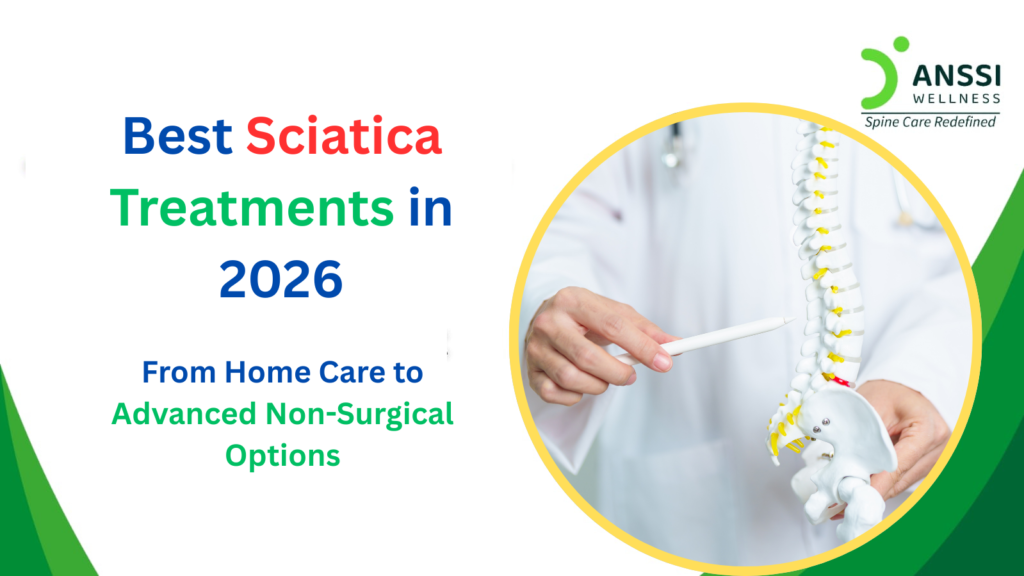
With advances in spine care in 2026, people suffering from sciatica now have access to a wide range of treatments, from simple home-care methods to advanced non-surgical therapies designed to address the root cause of the condition. Understanding the causes, symptoms, and available treatments can help individuals manage sciatica more effectively and achieve long-term relief.
Understanding Sciatica and Its Causes
Sciatica is not a condition itself but a symptom that occurs when the sciatic nerve, the largest nerve in the body, becomes irritated or compressed. This nerve runs from the lower spine through the hips and buttocks and down each leg.
When something places pressure on the sciatic nerve, it can cause pain that radiates along the nerve’s pathway. Several spinal conditions may lead to this compression.
- One of the most common causes is a slipped disc or disc bulge. The discs between the vertebrae act as cushions that absorb shock and allow the spine to move smoothly. When a disc bulges or ruptures, it may press against the nearby nerve roots, triggering sciatica symptoms.
- Another possible cause is spinal stenosis, a condition where the spinal canal becomes narrow and compresses the nerves. Degenerative disc disease, which occurs when spinal discs gradually wear down over time, can also contribute to sciatic nerve irritation.
- Poor posture, prolonged sitting, and sedentary lifestyles are additional factors that increase the risk of sciatica. Individuals who frequently lift heavy objects without proper technique or those with weak core muscles may also be more vulnerable to developing the condition.
Common Symptoms of Sciatica
Sciatica symptoms can vary from mild discomfort to severe pain depending on the level of nerve compression.
The most recognisable symptom is sharp or burning pain that radiates from the lower back down the buttock and into the leg. The pain often affects one side of the body and may become worse when sitting for long periods.
Many individuals also experience tingling or numbness in the affected leg or foot. In some cases, there may be a feeling of weakness in the leg muscles, making it difficult to stand, walk, or maintain balance.
Certain movements, such as bending forward, lifting heavy objects, or twisting the spine, may intensify the pain. If the nerve compression becomes severe, symptoms may become more persistent and interfere with normal daily activities.
Recognising these symptoms early and seeking appropriate treatment can help prevent the condition from worsening.
Conservative and Home-Based Treatments
In many cases, mild to moderate sciatica can be managed with conservative treatments and home-care strategies. These approaches focus on reducing nerve irritation, improving mobility, and supporting the spine’s natural healing process.
- One of the first steps is rest and activity modification. While complete bed rest is not recommended for long periods, temporarily avoiding activities that aggravate the pain can help reduce inflammation around the affected nerve.
- Gentle stretching exercises are often helpful for relieving pressure on the sciatic nerve. Stretching the lower back, hips, and hamstrings can improve flexibility and reduce muscle tension that may contribute to nerve irritation.
- Physiotherapy exercises are also commonly recommended to strengthen the muscles supporting the spine. Stronger core and back muscles help stabilise the spine and reduce the risk of further nerve compression.
- Heat and ice therapy are simple yet effective ways to manage pain at home. Ice packs can help reduce inflammation during the initial stages of pain, while heat therapy helps relax tight muscles and improve blood circulation.
- Another important aspect of home care is posture correction. Maintaining proper posture while sitting, standing, or working at a desk can significantly reduce pressure on the spine and prevent further irritation of the sciatic nerve.
Advanced Non-Surgical Treatments for Sciatica
For individuals experiencing persistent or severe symptoms, advanced non-surgical treatments may provide more effective relief. These treatments are designed to target the root cause of sciatic nerve compression.
Physiotherapy
One of the most important treatments is physiotherapy, which focuses on strengthening the spine and improving mobility. A physiotherapist develops a customised treatment plan that includes stretching, strengthening exercises, and movement training.
Lifestyle Changes
Lifestyle changes are also essential for long-term recovery. Maintaining a healthy weight, staying physically active, and practising proper body mechanics during lifting or bending can reduce the risk of recurring sciatica.
Non-Surgical Spinal Decompression Treatment
This innovative treatment uses specialised equipment to gently stretch the spine in a controlled manner. By creating space between the vertebrae, spinal decompression reduces pressure on the discs and nerves. This process allows the discs to rehydrate and encourages the body’s natural healing mechanisms to repair damaged tissues.
Non-surgical spinal decompression is particularly beneficial for individuals suffering from conditions such as slipped discs, disc bulges, degenerative disc disease, and sciatica caused by nerve compression. Because the treatment is non-invasive, it allows patients to receive care without the risks and recovery time associated with surgery.
The Importance of Early Treatment
Ignoring sciatica symptoms may allow the underlying spinal problem to worsen over time. Early treatment can prevent long-term nerve damage and improve recovery outcomes.
A proper diagnosis helps healthcare professionals identify the exact cause of nerve compression and recommend the most appropriate treatment approach. Combining home care methods with professional treatments often provides the best results.
Patients who take proactive steps to protect their spinal health, maintain good posture, and stay physically active are more likely to experience lasting relief.
About ANSSI:
ANSSI Wellness focuses on improving the quality of life for patients suffering from spinal issues, aiming to provide relief where other conventional treatments have failed. Through advanced Non-Surgical Spinal Decompression Treatment, ANSSI is committed to helping patients avoid surgery and recover in a safe, effective, and compassionate environment.
Connect with ANSSI Wellness on LinkedIn, Instagram, and Facebook for expert guidance.