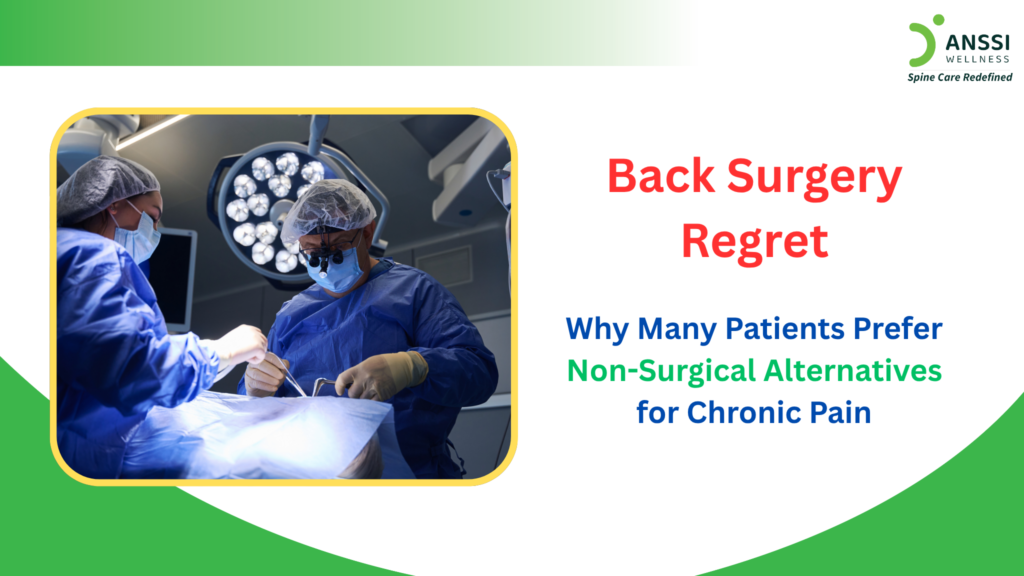
Chronic back pain is one of the most common health concerns today, affecting millions of people across all age groups. When pain becomes severe and persistent, many patients are advised to consider surgery as a solution.
However, an increasing number of individuals are now reporting dissatisfaction after undergoing spinal procedures. Hence, before choosing an invasive approach, it is crucial to understand the potential risks and explore safer, non-surgical alternatives.
Why Back Surgery is Often Recommended
Back surgery is typically suggested for conditions such as slip disc, spinal stenosis, degenerative disc disease, or nerve compression that leads to severe pain or mobility issues. Doctors may recommend surgery when conservative treatments like medication, rest, or basic physiotherapy fail to provide relief.
For many patients, surgery appears to be a quick and definitive solution. The promise of immediate pain relief and improved mobility can be appealing, especially when daily activities become difficult.
However, surgery does not always address the root cause of the problem and may not guarantee long-term success.
Major Risks Associated With Back Surgery
While surgical techniques have advanced over the years, back surgery still carries significant risks that patients must carefully consider:
1. Surgical Complications
Like any major procedure, back surgery involves risks such as infections, excessive bleeding, blood clots, or adverse reactions to anaesthesia. These complications can delay recovery and, in some cases, lead to further health issues.
2. Nerve Damage
The spine is a complex structure with delicate nerves. Even a minor error during surgery can result in nerve damage, leading to numbness, weakness, or even long-term disability.
3. Failed Back Surgery Syndrome (FBSS)
One of the most concerning risks is Failed Back Surgery Syndrome, where patients continue to experience pain even after surgery or in some cases, the pain becomes worse. This can be extremely frustrating and emotionally draining.
4. Long Recovery Period
Recovery after back surgery can take weeks or even months. Patients may need to limit physical activity, take time off work, and undergo rehabilitation. This extended downtime can impact both personal and professional life.
5. Need for Repeat Surgeries
In some cases, the initial surgery may not provide the desired results, leading to additional procedures. Each subsequent surgery increases the risk of complications and reduces the likelihood of complete recovery.
6. Financial and Emotional Burden
Back surgery can be expensive, and repeated treatments add to the cost. Alongside financial stress, patients may also experience anxiety, frustration, or disappointment if the results do not meet expectations.
Why Many Patients Experience Regret
Back surgery regret often stems from a gap between expectations and reality. Many patients believe surgery will completely eliminate pain and restore normal function. However, outcomes can vary significantly.
Some individuals continue to experience discomfort or develop new symptoms after surgery. Others may face reduced flexibility or limitations in their daily activities. The combination of persistent pain, long recovery times, and lifestyle changes can lead to dissatisfaction and regret.
Non-Surgical Alternatives for Back Pain
The good news is that surgery is not the only option, especially in the early stages. In fact, many cases of chronic back pain can be effectively managed through non-surgical treatments that focus on healing the root cause.
1. Physiotherapy and Rehabilitation
Targeted exercises and guided therapy help strengthen the muscles supporting the spine, improve flexibility, and reduce pain. Physiotherapy is often the first line of treatment and can provide long-term benefits when done consistently.
2. Lifestyle Modifications
Simple changes such as maintaining proper posture, using ergonomic furniture, staying active, and managing weight can significantly reduce strain on the spine. These adjustments play a crucial role in both prevention and recovery.
3. Advanced Non-Surgical Treatments
Modern advancements have introduced innovative procedures like non-surgical spinal decompression treatment, which is gaining popularity as a safe and effective alternative to surgery.
This advanced treatment is used to gently stretch the spine, reducing pressure on compressed discs and nerves. It promotes natural healing and helps restore spinal function without the need for surgery, injections, or long-term medication.
Benefits of Non-Surgical Treatments:
- Non-invasive and safe
- Minimal or no downtime
- Cost-effective compared to surgery
- Focus on long-term relief rather than temporary fixes
- Reduced risk of complications
Why Surgery Should Be the Last Resort
While surgery may be necessary in certain severe cases, it should always be considered a last resort. Exploring non-surgical options first can help many patients avoid unnecessary risks and achieve effective pain relief.
By addressing the root issue, patients can experience lasting relief and improved quality of life without undergoing surgery.
About ANSSI:
ANSSI Wellness focuses on improving the quality of life for patients suffering from spinal issues, aiming to provide relief where other conventional treatments have failed. Through advanced Non-Surgical Spinal Decompression Treatment, ANSSI is committed to helping patients avoid surgery and recover in a safe, effective, and compassionate environment.
Connect with ANSSI Wellness on LinkedIn, Instagram, and Facebook for expert guidance.