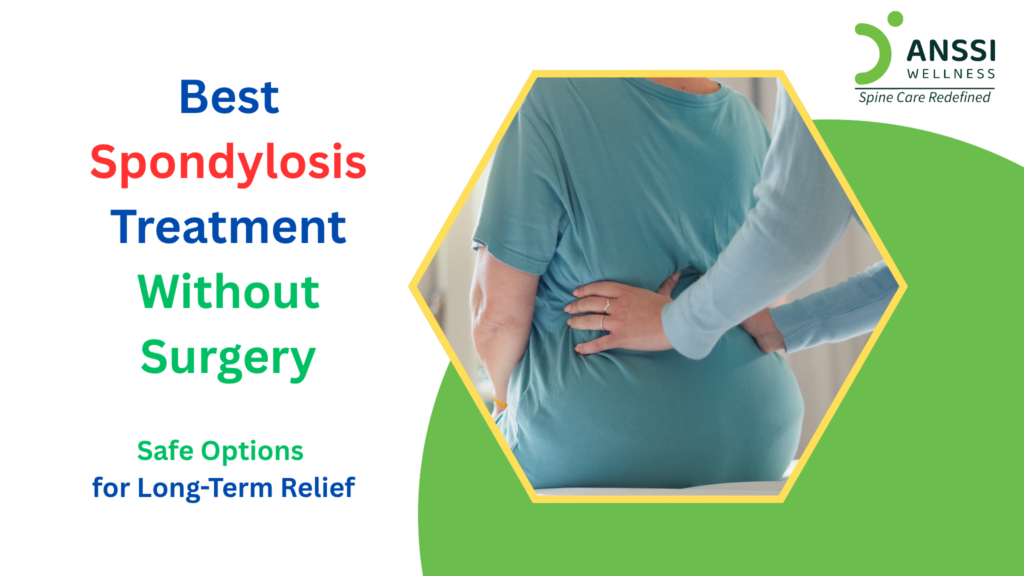
Spondylosis is one of the most common spinal conditions. It refers to the gradual wear and tear of the spine, which can lead to persistent pain, stiffness, and reduced mobility. For many individuals, the idea of undergoing surgery can be overwhelming and intimidating. Fortunately, surgery is not always necessary.
With advancements in healthcare, several non-surgical and safe treatment options are now available that provide effective and long-term relief. These treatments focus on addressing the root cause of the problem rather than simply masking the symptoms.
What is Spondylosis?
Spondylosis is a degenerative condition that affects the spinal discs, joints, and bones. It commonly occurs in the cervical (neck), thoracic (mid-back), or lumbar (lower back) regions. As the spinal discs lose hydration and elasticity over time, they can shrink or bulge, leading to increased pressure on nearby nerves.
The condition is primarily associated with ageing, but modern lifestyle factors such as prolonged sitting, poor posture, lack of exercise, and obesity have made it increasingly common among younger individuals as well.
Symptoms of spondylosis may include chronic neck or back pain, stiffness, headaches, muscle weakness, and restricted movement. In more advanced cases, patients may also experience tingling, numbness, or radiating pain in the arms or legs.
Why Choose Non-Surgical Treatment?
While surgery may be recommended in severe or complicated cases, it is not the first line of treatment for most patients with spondylosis. Surgical procedures come with potential risks such as infections, nerve damage, and long recovery periods. Additionally, surgery does not always guarantee permanent relief, especially if the underlying cause of degeneration is not addressed.
Non-surgical treatments, on the other hand, are designed to be safer and less invasive. They allow patients to continue their daily activities with minimal disruption and significantly lower risk.
Effective Non-Surgical Treatment Options
For individuals in the early to moderate stages of spondylosis, conservative treatments can be highly effective in reducing pain and improving function without the need for surgery.
1. Physical Therapy
Physical therapy is one of the most effective ways to manage spondylosis. It includes targeted exercises that strengthen the muscles supporting the spine, improve flexibility, and reduce stiffness. A well-structured physiotherapy program can also help restore proper spinal alignment and prevent further degeneration.
2. Non-Surgical Spinal Decompression Treatment
An advanced and increasingly popular treatment option is non-surgical spinal decompression treatment. This technique uses a controlled decompression mechanism to gently stretch the spine, relieving pressure on compressed discs and nerves.
It promotes better circulation, allowing nutrients and oxygen to reach damaged tissues, thereby supporting natural healing. Non-surgical spinal decompression treatment is particularly beneficial for patients with disc bulges or herniation associated with spondylosis.
3. Manual Therapy and Posture Correction
Manual therapy techniques, including soft tissue mobilisation and joint manipulation, can help reduce muscle tension and improve mobility. Along with this, posture correction plays a crucial role in preventing further strain on the spine. Simple adjustments in sitting, standing, and sleeping positions can make a significant difference in managing symptoms.
4. Pain Management Without Medication Dependency
Many patients rely on painkillers for quick relief, but long-term use can lead to side effects and dependency. Non-surgical approaches focus on natural pain relief methods such as heat and cold therapy, therapeutic exercises, and guided rehabilitation programs. These methods aim to reduce inflammation and discomfort without the risks associated with prolonged medication use.
5. Lifestyle Modifications
Adopting a healthier lifestyle is essential for long-term spinal health.
- Regular low-impact exercises like walking, swimming, or yoga can help keep the spine flexible and strong.
- Maintaining proper ergonomics at work, especially for those with desk jobs, is equally important.
- Additionally, managing body weight reduces excess stress on the spine, helping prevent further degeneration.
Benefits of Non-Surgical Care
Non-surgical treatments for spondylosis offer numerous benefits that make them an ideal choice for patients seeking long-term relief. These treatments are safe, non-invasive, and typically painless. They do not require hospitalisation, allowing patients to continue with their daily routines without interruption.
Another major advantage is that these treatments focus on treating the root cause of the condition rather than just alleviating symptoms. By improving spinal health, strengthening muscles, and enhancing flexibility, non-surgical treatments provide sustainable and long-lasting results.
Moreover, patients often experience an overall improvement in their quality of life, including better posture, increased mobility, and reduced discomfort during daily activities.
When to Consult a Specialist
It is important to seek medical advice if your symptoms persist or worsen over time. Warning signs include chronic pain lasting more than a few weeks, radiating pain in the arms or legs, numbness, tingling sensations, or significant stiffness that affects your daily activities.
Early diagnosis and timely intervention can prevent the condition from progressing and reduce the likelihood of requiring surgery. A spine specialist can evaluate your condition and recommend a customised treatment plan tailored to your needs, ensuring optimal results.
About ANSSI:
ANSSI Wellness focuses on improving the quality of life for patients suffering from spinal issues, aiming to provide relief where other conventional treatments have failed. Through advanced Non-Surgical Spinal Decompression Treatment, ANSSI is committed to helping patients avoid surgery and recover in a safe, effective, and compassionate environment.
Connect with ANSSI Wellness on LinkedIn, Instagram, and Facebook for expert guidance.