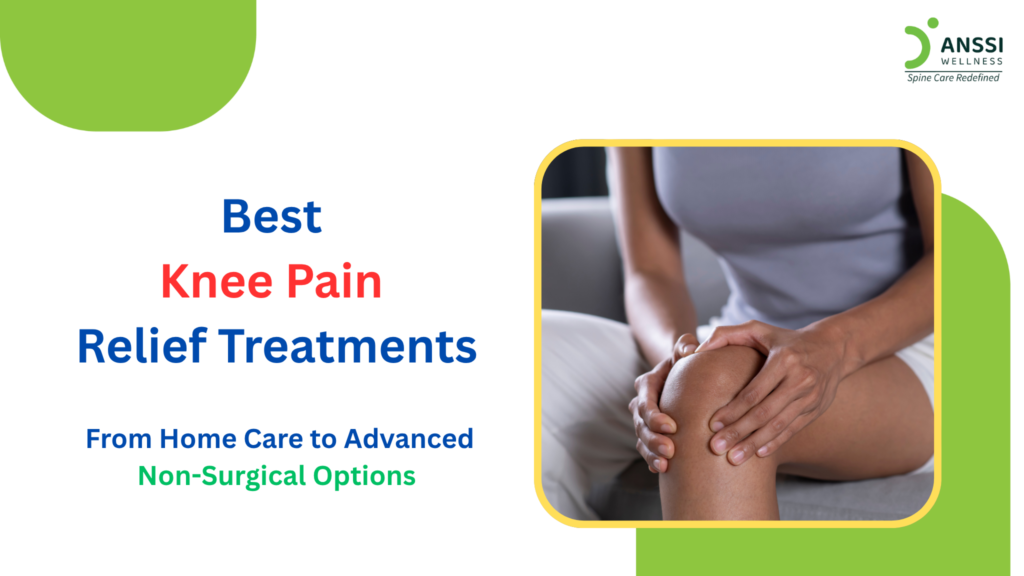
Knee pain is a common problem that affects people of all ages, from young athletes to older adults. Whether it starts as mild discomfort or develops into chronic pain, it can significantly impact your ability to walk, exercise, or perform daily activities.
Let’s explore the full spectrum of knee pain relief treatments, from simple home remedies to advanced non-surgical solutions, helping you make an informed decision for long-term relief.
Understanding Knee Pain and Its Causes
Before choosing a treatment, it’s important to understand what’s causing your knee pain.
One of the most common causes is Osteoarthritis, a condition where the cartilage in the knee gradually wears down, leading to pain, stiffness, and reduced mobility.
Other common causes include:
- Ligament injuries such as ACL or MCL tears
- Meniscus damage affecting joint cushioning
- Overuse from repetitive activities
- Poor alignment or muscle imbalance
- Excess weight increasing pressure on the knees
Identifying the root cause helps ensure that the treatment you choose is both effective and appropriate.
Home Care Remedies for Knee Pain
For mild to moderate knee pain, home care can be a good starting point. These methods are simple, accessible, and often effective in reducing discomfort.
Rest, Ice, and Elevation
Giving your knee adequate rest allows the tissues to recover. Applying ice helps reduce inflammation and swelling, while elevating the leg improves circulation and reduces fluid buildup.
Simple Exercises and Stretching
Gentle exercises can improve flexibility and strengthen the muscles around the knee. Stronger muscles provide better support to the joint, reducing stress and improving stability.
Low-impact activities such as walking or stretching are especially beneficial in maintaining joint mobility.
Weight Management
Excess body weight places additional pressure on the knee joints. Even a modest weight loss can greatly reduce knee strain and alleviate discomfort.
Medical and Conservative Treatments
When home remedies are not enough, medical treatments may be recommended to manage symptoms and improve function.
Painkillers and Injections
Painkillers are commonly used to reduce inflammation and provide temporary relief. In some cases, doctors may recommend injections to manage pain.
While these treatments can be helpful in the short term, they do not address the underlying cause of knee pain. As a result, symptoms may return once the effects wear off.
Physiotherapy and Rehabilitation
One of the best non-surgical methods for treating knee pain is physiotherapy. A structured rehabilitation program focuses on strengthening the muscles around the knee, including the quadriceps, hamstrings, and calf muscles.
Physiotherapy also helps improve flexibility, balance, and coordination. Patients are guided on proper movement techniques to prevent further strain and injury. This approach not only reduces pain but also improves overall joint function and long-term stability.
Advanced Non-Surgical Treatment Options
For individuals with persistent or chronic knee pain, advanced non-surgical treatments offer a more targeted approach.
Knee Decompression Treatment
In many cases, chronic knee pain is caused by excessive compression that accelerates cartilage wear. Knee decompression treatment is a modern technique designed to reduce pressure within the knee joint.
This treatment uses specialised equipment to gently create space within the joint, which helps:
- Reduce pressure on cartilage
- Improve blood circulation
- Enhance nutrient supply to joint tissues
- Decrease pain and stiffness
By addressing the mechanical stress within the joint, knee decompression treatment supports natural healing and provides long-term relief.
Regenerative Therapies
Regenerative treatments focus on supporting the body’s natural healing processes. These therapies aim to repair damaged tissues and improve joint health.
When combined with physiotherapy and decompression treatment, regenerative approaches can enhance recovery and improve overall outcomes.
Choosing the Right Treatment
Selecting the best knee pain relief treatment depends on several factors, including:
- The severity of your condition
- The underlying cause of pain
- Your lifestyle and activity level
- Your overall health
For mild cases, home remedies and lifestyle changes may be sufficient. For moderate to severe cases, a combination of physiotherapy and advanced non-surgical treatments may be more effective.
Consulting a healthcare professional is essential to determine the most appropriate treatment plan for your specific needs.
About ANSSI:
ANSSI Wellness focuses on improving the quality of life for patients suffering from knee issues, aiming to provide relief where other conventional treatments have failed. Through Advanced Knee Rehabilitation Treatment, ANSSI is committed to helping patients avoid surgery and recover in a safe, effective, and compassionate environment.
Connect with ANSSI Wellness on LinkedIn, Instagram, and Facebook for expert guidance.