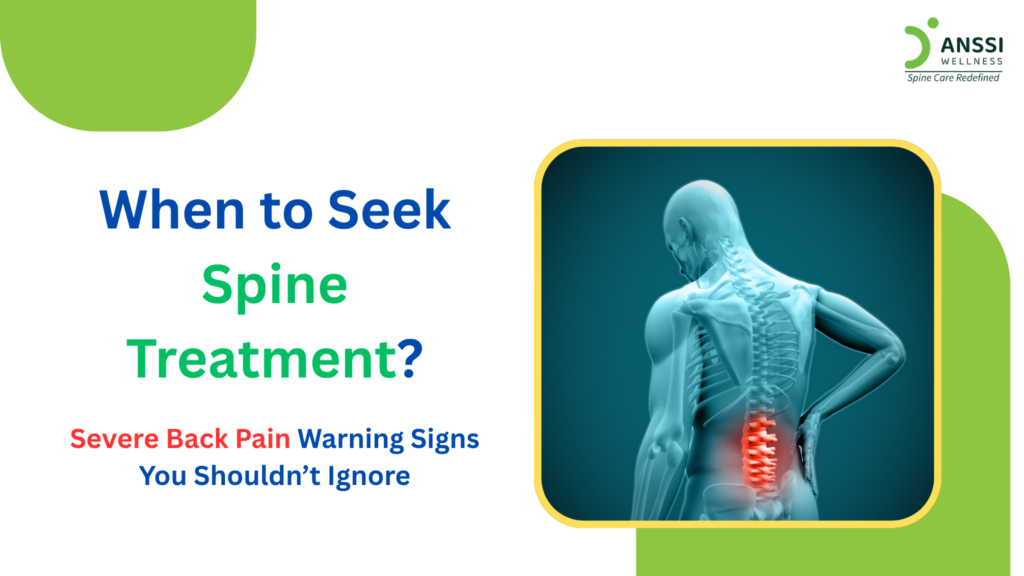
Back pain is one of the most common health complaints affecting people of all ages. Whether it’s caused by long hours at a desk, poor posture, or physical strain, many individuals experience back discomfort at some point in their lives. In most cases, mild back pain improves with rest, stretching, or simple home remedies.
However, not all back pain is harmless. Persistent or severe symptoms may indicate an underlying orthopaedic condition that requires medical attention. Ignoring these warning signs can lead to worsening pain, reduced mobility, and long-term complications.
Knowing when to consult an orthopaedic specialist is essential for protecting your spinal health and ensuring timely treatment.
Understanding Common vs Serious Back Pain
It is important to distinguish between temporary back pain and symptoms that may indicate a more serious issue.
- Mild back pain is often caused by muscle strain, poor posture, or minor injuries. This type of pain typically improves within a few days or weeks with rest, proper care, and basic exercises.
- Serious back pain is usually linked to structural problems in the spine, such as disc issues, nerve compression, or joint degeneration. Unlike temporary discomfort, this type of pain tends to persist or worsen over time and may not respond to simple remedies.
Recognising the difference between these two types of pain can help individuals take the right steps at the right time. Early identification of serious symptoms allows for prompt diagnosis and treatment, which can prevent further damage to the spine and surrounding structures.
Key Warning Signs You Shouldn’t Ignore
Certain symptoms act as red flags and should not be ignored. If you experience any of the following signs, it is important to seek professional evaluation.
- Pain lasting more than a few weeks is one of the most common indicators of a chronic issue. If back pain persists beyond the normal healing period, it may be due to an underlying structural problem that requires medical attention.
- Pain radiating to the arms or legs can suggest nerve involvement. This type of pain is often associated with conditions such as a slipped disc or spinal stenosis, where the compressed nerve sends pain signals to other parts of the body.
- Numbness, tingling, or weakness in the limbs is another serious warning sign. These symptoms indicate that the nerves may be affected, which can lead to further complications if not treated promptly.
- Difficulty standing, walking, or performing daily activities is also a cause for concern. When back pain begins to interfere with routine movements, it may signal reduced spinal stability or joint function.
- Severe stiffness, especially after long periods of rest or in the morning, can indicate joint or spinal issues. Stiffness that does not improve with movement may require professional evaluation.
- Reduced mobility or limited range of motion is another important symptom. If you find it difficult to bend, twist, or move your back freely, it may suggest underlying joint or disc problems.
- Pain that worsens at night or does not improve with rest is particularly concerning. This type of pain may indicate a deeper issue that cannot be resolved through simple home care.
Other Indicators of Orthopaedic Issues
In addition to back pain, there are other signs that may point to orthopaedic problems.
- Joint swelling or inflammation, for example, may indicate underlying joint damage or arthritis.
- Recurring injuries or frequent flare-ups of pain can also signal an unresolved issue. If pain keeps returning despite treatment or rest, it is important to identify the root cause.
- Experiencing pain after minor movements or without any clear cause is another red flag. This may suggest that the joints, muscles, or spinal structures are weakened or compromised.
These additional symptoms, when combined with back pain, should not be overlooked and may require evaluation by an orthopaedic specialist.
Why Timely Consultation Matters
Seeking medical advice at the right time can make a significant difference in the outcome of treatment. Early consultation allows specialists to diagnose the problem accurately and recommend appropriate treatment before the condition worsens.
Delaying treatment can lead to complications such as chronic pain, nerve damage, or reduced mobility. Conditions that are easier to treat in the early stages may become more complex if ignored. Timely intervention also helps in preventing long-term disability. With the right treatment approach, many orthopaedic conditions can be managed effectively without the need for surgery.
In addition, early diagnosis allows patients to adopt lifestyle changes, exercises, and therapies that support recovery and prevent recurrence of the problem.
About ANSSI:
ANSSI Wellness focuses on improving the quality of life for patients suffering from spinal issues, aiming to provide relief where other conventional treatments have failed. Through advanced Non-Surgical Spinal Decompression Treatment, ANSSI is committed to helping patients avoid surgery and recover in a safe, effective, and compassionate environment.
Connect with ANSSI Wellness on LinkedIn, Instagram, and Facebook for expert guidance.