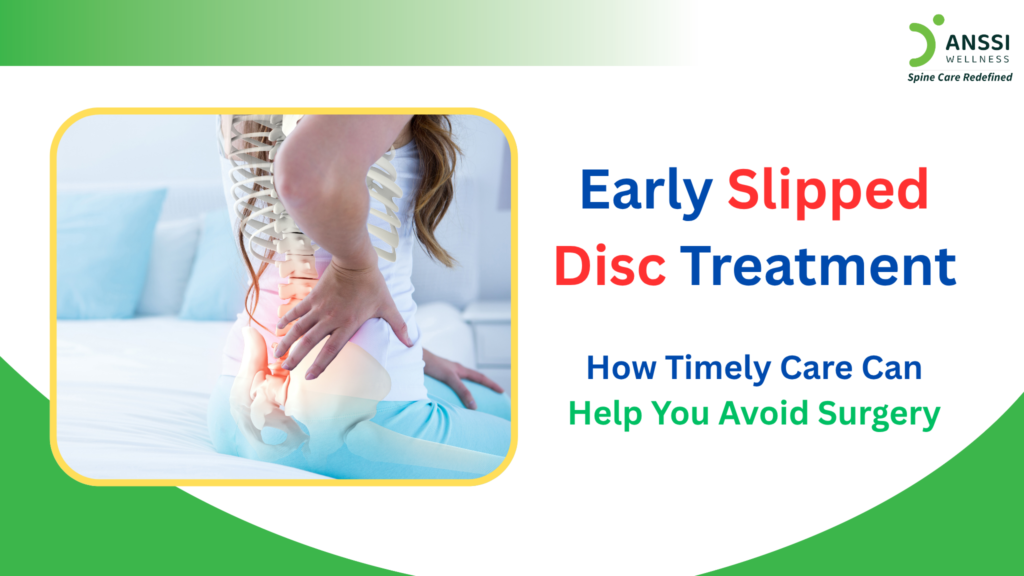
A slipped disc, also known as a herniated disc, is one of the most common causes of chronic back pain, neck pain, and nerve-related symptoms. Many people ignore the early warning signs, assuming the pain will disappear with rest or painkillers. Unfortunately, delaying treatment may allow the condition to worsen, affecting mobility, work, sleep, and overall quality of life.
One of the biggest fears among patients diagnosed with a slipped disc is the possibility of spine surgery. While surgery is necessary for certain severe cases, many patients can achieve significant improvement through timely diagnosis and appropriate non-surgical treatment. Seeking medical care early not only helps relieve pain but also provides an opportunity to manage the condition before it progresses.
Understanding a Slipped Disc
The human spine is made up of vertebrae separated by intervertebral discs, which act as cushions between the bones. Each disc consists of a tough outer layer called the annulus fibrosus and a soft, gel-like centre known as the nucleus pulposus.
A slipped or herniated disc occurs when the outer layer weakens or tears, allowing the inner material to protrude outward. If the herniated disc presses on a nearby spinal nerve, it can cause pain, numbness, tingling, or weakness depending on the location of the affected nerve.
A slipped disc can be more likely to occur for a number of reasons, such as:
- Age-related disc degeneration
- Poor posture
- Prolonged sitting
- Heavy lifting with improper technique
- Repetitive bending or twisting
- Obesity
- Physically demanding occupations
- Smoking
Early Symptoms You Should Not Ignore
The symptoms of a slipped disc vary depending on its location and severity. Recognising these signs early allows treatment to begin before nerve compression becomes more significant.
Common symptoms include:
- Persistent lower back or neck pain
- Pain radiating into the arms or legs
- Tingling or numbness
- Muscle weakness
- Difficulty bending, lifting, or sitting for long periods
- Pain that worsens while coughing or sneezing
- Reduced flexibility and spinal stiffness
If these symptoms persist for several weeks or continue to worsen, medical evaluation is recommended.
Why Early Diagnosis Matters
An accurate diagnosis is the foundation of effective treatment. Not all back or neck pain is caused by a slipped disc, and the severity of symptoms does not always correspond to the appearance of the spine on imaging.
A comprehensive evaluation usually includes:
- A detailed medical history
- Physical examination
- Neurological assessment
- Functional movement evaluation
- MRI where clinically indicated
MRI provides valuable information about the location, size, and extent of the disc herniation, as well as whether nearby nerves are being compressed. This helps the spine specialist determine the most appropriate treatment plan.
Non-Surgical Treatment Options
For many patients, surgery is not the first step. Conservative treatment is often recommended, particularly when there are no signs of severe neurological damage.
A non-surgical treatment programme may include:
- Activity modification
- Physiotherapy
- Core strengthening exercises
- Posture correction
- Ergonomic improvements
- Stretching and flexibility exercises
- Pain management under medical supervision
These measures aim to reduce pain, improve movement, strengthen the muscles supporting the spine, and promote recovery.
The Role of Non-Surgical Spinal Decompression Treatment
For appropriately selected patients with disc-related spinal conditions, Non-Surgical Spinal Decompression Treatment (NSSDT) may be incorporated into a comprehensive rehabilitation programme.
NSSDT uses a computer-controlled system to gently apply decompression forces to the affected spinal segment. The treatment is designed to:
- Reduce pressure within the intervertebral disc
- Create negative intradiscal pressure
- Encourage partial retraction of herniated disc material
- Relieve pressure on compressed nerve roots
- Support disc hydration and spinal function
Because every patient’s condition is different, suitability for NSSDT is determined only after a detailed clinical assessment and review of imaging studies by an orthopaedic specialist.
When is Surgery Necessary?
Although many slipped discs can be managed conservatively, surgery remains an important treatment option in certain situations.
A spine specialist may recommend surgery when a patient has:
- Progressive muscle weakness
- Severe nerve compression
- Cauda equina syndrome with bladder or bowel dysfunction
- Significant spinal instability
- Persistent disabling symptoms despite appropriate conservative treatment
The decision to operate is based on the patient’s overall clinical condition, neurological findings, and response to non-surgical care, not simply on MRI findings or the intensity of pain.
Benefits of Seeking Treatment Early
Prompt medical attention offers several important advantages.
Early treatment may help:
- Control pain before it becomes chronic
- Improve spinal mobility
- Reduce nerve irritation
- Restore normal daily function
- Reduce dependence on prolonged pain medication
- Improve the chances of successful conservative management
- Delay or avoid surgery in appropriately selected patients
Patients who wait until symptoms become severe often require longer rehabilitation and may experience greater functional limitations.
Why Choose ANSSI Wellness?
At ANSSI Wellness, every patient undergoes a detailed orthopaedic evaluation before treatment recommendations are made. The clinical assessment focuses on identifying the underlying cause of pain rather than treating symptoms alone.
For patients with appropriate clinical indications, personalised rehabilitation programmes may include:
- Comprehensive spine assessment
- MRI review where indicated
- Physiotherapy
- Posture correction
- Core strengthening
- Lifestyle modification
- Non-Surgical Spinal Decompression Treatment (NSSDT)
Throughout the rehabilitation process, patients receive guidance on posture, ergonomic practices, safe lifting techniques, and exercises designed to support long-term spinal health.
About ANSSI:
ANSSI Wellness focuses on improving the quality of life for patients suffering from spinal issues, aiming to provide relief where other conventional treatments have failed. Through advanced Non-Surgical Spinal Decompression Treatment, ANSSI is committed to helping patients avoid surgery and recover in a safe, effective, and compassionate environment.
Book Consultation:
Call +91 9004726844 | 9920936844
Visit www.anssiwellness.com
Connect with ANSSI Wellness on LinkedIn, Instagram, and Facebook for expert guidance.
Clinical References:
- Kreiner DS et al. North American Spine Society. An evidence-based clinical guideline for the diagnosis and treatment of lumbar disc herniation with radiculopathy. Spine J. 2014 Jan;14(1):180-91.
- Yasuma, T; Koh, S; Okamura, T; Yamauchi, Y. Histological changes in aging lumbar intervertebral discs. Their role in protrusions and prolapses.. The Journal of Bone & Joint Surgery 72(2):p 220-229, Feb 1990.
- North American Spine Society. Evidence-based recommendations for the diagnosis and conservative and surgical management of lumbar disc herniation.
- Gose E., Ph.D, Naguszewski W., MD, Naguszewski R., MD. Vertebral Axial Decompression Therapy for Pain Associated with Herniated or Degenerated Discs or Facet Syndrome: An Outcome Study. Journal of Neurological Research, Volume 20, No 3, April 1998.
- Naguszewski W., MD, Naguszewski R., MD, Gose E., Ph.D. Dermatosomal Somatosensory Evoked Potential Demonstration of Nerve Root Decompression After VAX-D Therapy. Journal of Neurological Research Vol 23 , No 7, October 2001.