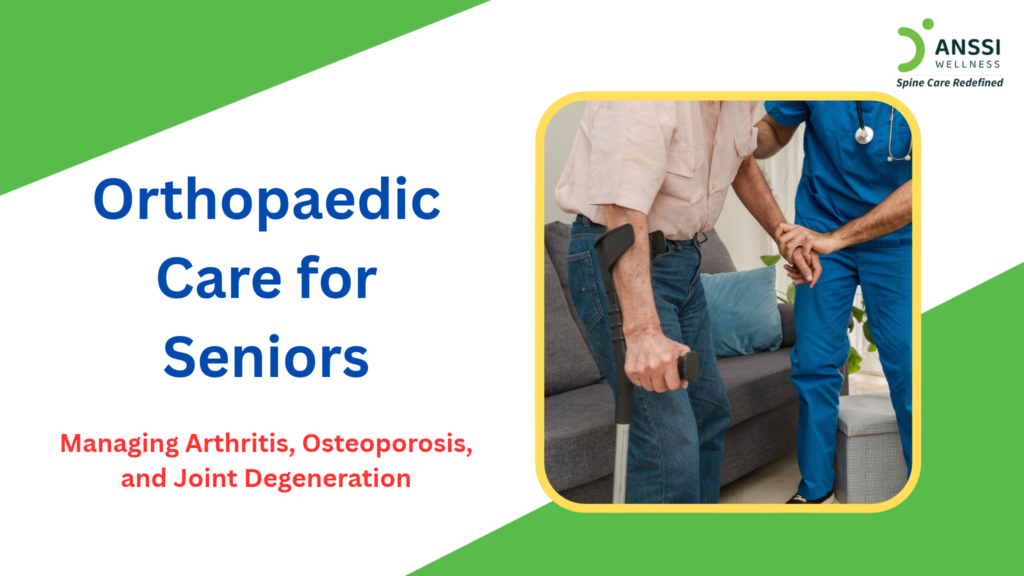
Supporting Mobility and Independence as We Age
Ageing brings many changes to the musculoskeletal system. Bones may become less dense, joints can gradually lose their flexibility, and muscles may become weaker. These changes can increase the likelihood of Orthopaedic conditions such as arthritis, osteoporosis, and degenerative joint disease.
For senior citizens, these conditions can affect much more than physical comfort. Persistent knee or hip pain, back stiffness, reduced balance, and difficulty walking may interfere with everyday activities such as climbing stairs, getting out of a chair, shopping, or enjoying time with family.
However, ageing does not mean that reduced mobility and chronic pain must be accepted as unavoidable. With appropriate medical guidance, regular physical activity, nutritional support, and suitable non-surgical treatments, many older adults can maintain independence and improve their quality of life.
Understanding Common Age-Related Orthopaedic Conditions
Osteoarthritis: When Joint Cartilage Gradually Wears Down
Osteoarthritis is a common joint condition in older adults. It develops when the structures within a joint undergo gradual changes, including deterioration of the protective cartilage covering the ends of bones.
The knees, hips, hands, and spine are frequently affected. Symptoms may include joint pain during movement, stiffness after periods of inactivity, swelling, and reduced flexibility.
Knee osteoarthritis can make walking, standing, and climbing stairs particularly uncomfortable. Although the condition cannot currently be reversed, appropriate treatment can help manage symptoms and preserve joint function.
Osteoporosis: When Bones Become Fragile
Osteoporosis is a condition in which bone strength decreases, increasing the risk of fractures. It often develops without noticeable symptoms until a fracture occurs.
The spine, hip, and wrist are common fracture sites. In some individuals, weakened spinal vertebrae may develop compression fractures, causing back pain, loss of height, or changes in posture.
Early assessment is important, particularly for older adults with risk factors such as previous fractures, low body weight, certain medical conditions, or prolonged use of medications that affect bone health.
Degenerative Joint and Spinal Conditions
Age-related degeneration can also affect spinal discs, facet joints, and other structures. Degenerative changes may contribute to conditions such as cervical spondylosis, lumbar spondylosis, and spinal stenosis.
Depending on the affected structures, individuals may experience neck stiffness, lower back pain, radiating leg discomfort, or reduced walking tolerance.
Not every degenerative change causes symptoms. Treatment decisions should be based on clinical findings and how the condition affects the person’s daily life, rather than imaging results alone.
The Importance of Early Diagnosis and Orthopaedic Assessment
Older adults should not ignore persistent joint pain, recurring swelling, unexplained back discomfort, or difficulty walking.
A healthcare professional may evaluate joint movement, muscle strength, balance, walking ability, and medical history. Depending on the suspected condition, investigations may include:
- X-rays to assess joint-space changes, bone structure, and certain fractures.
- MRI scans when detailed information about soft tissues, spinal structures, or suspected injuries is needed.
- Bone mineral density testing (DEXA) to evaluate osteoporosis.
- Blood tests when inflammatory arthritis or other medical conditions are suspected.
Accurate diagnosis helps distinguish osteoarthritis from inflammatory arthritis, osteoporosis-related fractures, and other causes of pain. This is particularly important because each condition requires a different treatment strategy.
Non-Surgical Strategies for Managing Orthopaedic Conditions
Many age-related Orthopaedic conditions can be managed with non-surgical approaches, particularly when diagnosed early or when symptoms are mild to moderate.
Physiotherapy and Strengthening Exercises
Supervised physiotherapy can help older adults improve muscle strength, joint mobility, flexibility, and balance.
For knee osteoarthritis, suitable strengthening exercises can improve the support provided by the surrounding muscles. For people with spinal discomfort, guided exercises may help improve movement control and everyday function.
Exercise programmes should be adapted to individual ability, medical history, and fracture risk. Older adults with osteoporosis, especially those with previous spinal fractures, should avoid high-impact or forceful spinal movements unless specifically cleared by their healthcare professional.
Low-Impact Physical Activity
Activities such as walking, stationary cycling, and water-based exercise can help maintain general fitness while limiting excessive joint stress.
Balance and functional training are also important because falls can result in serious fractures among older adults.
The objective is to remain active within comfortable limits rather than pushing through significant pain.
Nutrition and Bone Health
Adequate nutrition supports bone and muscle health. Calcium and vitamin D are important for maintaining bone strength, while sufficient protein helps preserve muscle mass.
Dairy products, fortified foods, leafy vegetables, pulses, and other nutrient-rich foods can contribute to a balanced diet. Some individuals may require supplements, but these should be taken according to professional advice.
For people diagnosed with osteoporosis, exercise and nutrition are supportive measures, not substitutes for prescribed osteoporosis medication when medication is indicated.
Pain Management and Lifestyle Adjustments
Depending on the condition, healthcare professionals may recommend appropriate pain-relief medication, topical treatments, or other interventions.
Maintaining a healthy body weight can reduce unnecessary loading on weight-bearing joints. Supportive footwear, handrails, appropriate walking aids, and safer home arrangements can also help older adults move with greater confidence.
Are Advanced Non-Surgical Rehabilitation Options Helpful?
Some rehabilitation centres offer specialised programmes for chronic knee and spinal pain. These may combine physiotherapy, supervised exercises, and technologies such as knee or spinal decompression systems. For selected patients, these approaches may be considered as part of a broader rehabilitation plan.
A qualified healthcare professional should first assess the patient’s condition, bone health, fracture risk, and suitability for treatment. In particular, osteoporosis and existing vertebral fractures require careful consideration before applying traction or mechanical forces.
Surgery may still be necessary for certain fractures, advanced joint disease, severe nerve compression, or other specific indications. Avoiding surgery should never take priority over receiving medically necessary treatment.
Preventing Falls and Maintaining Independence
Fall prevention is a major part of Orthopaedic care for seniors. Simple changes can reduce the risk of accidents:
- Remove loose rugs and household obstacles.
- Install grab bars in bathrooms and near stairs.
- Ensure rooms and passageways are adequately lit.
- Wear comfortable footwear with good grip.
- Have vision and balance problems assessed.
- Use prescribed walking aids when necessary.
- Regular strength and balance exercises can further support stability and confidence.
About ANSSI:
ANSSI Wellness focuses on improving the quality of life for patients suffering from spinal issues, aiming to provide relief where other conventional treatments have failed. Through advanced Non-Surgical Spinal Decompression Treatment, ANSSI is committed to helping patients avoid surgery and recover in a safe, effective, and compassionate environment.
Book Consultation:
Call +91 9004726844 | 9920936844
Visit www.anssiwellness.com
Connect with ANSSI Wellness on LinkedIn, Instagram, and Facebook for expert guidance.