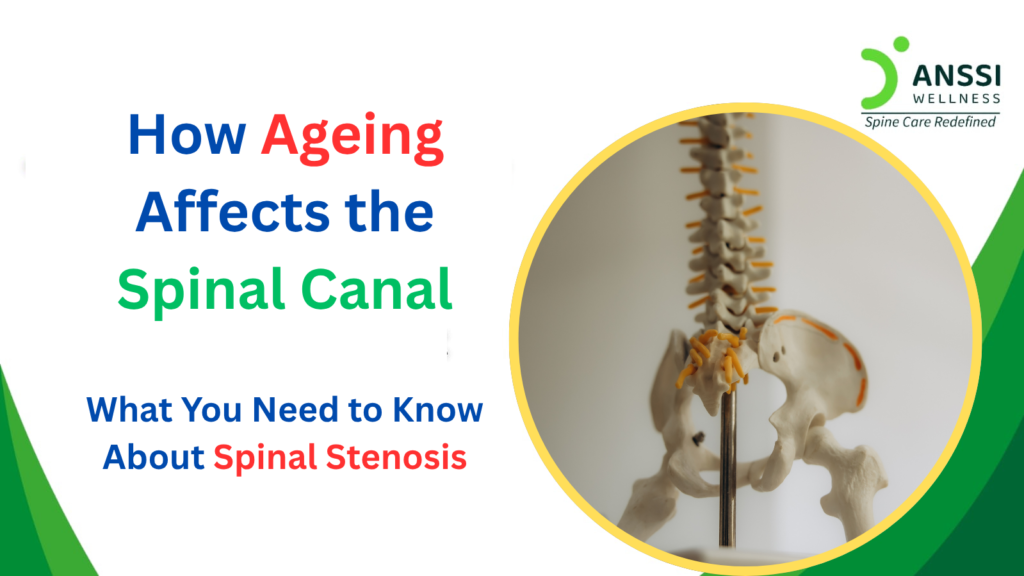
Ageing is a natural process that affects every part of the body, including the spine. While growing older brings wisdom and experience, it also brings gradual changes to bones, joints, and soft tissues. One of the most common spine-related conditions associated with ageing is Spinal Stenosis.
This condition can lead to pain, reduced mobility, and nerve-related symptoms. Understanding how ageing impacts the spinal canal and learning how to maintain spinal health can help you stay active and pain-free.
What is Spinal Stenosis?
Spinal stenosis refers to the narrowing of the spinal canal. It is the space through which the spinal cord and nerves pass. As this space becomes smaller, it can place pressure on the spinal cord and surrounding nerves.
This condition most commonly affects the cervical spine (neck) and lumbar spine (lower back). When nerve compression occurs, it can lead to a range of symptoms that affect daily life.
While spinal stenosis is often associated with ageing, it does not happen overnight. It develops gradually over time due to changes in the structure of the spine.
How Ageing Leads to Spinal Stenosis
The spine undergoes several natural changes as we age. These changes may seem minor at first, but over time, they can contribute to the narrowing of the spinal canal.
Disc Degeneration
Spinal discs act as cushions between the vertebrae. With age, these discs lose water content and become less flexible. As a result, they may shrink or bulge, reducing the space within the spinal canal.
Formation of Bone Spurs
As the discs wear down, the body may respond by forming small bony growths called osteophytes or bone spurs. These growths can extend into the spinal canal, further reducing space and increasing the risk of nerve compression.
Thickening of Ligaments
Ligaments that support the spine can thicken over time due to wear and tear. While this may initially be a protective response, thickened ligaments can take up extra space within the spinal canal, contributing to stenosis.
Joint Wear-and-Tear
The joints between vertebrae, known as facet joints, also experience degeneration with age. This can lead to inflammation, stiffness, and reduced flexibility, all of which impact spinal health.
Symptoms to Watch For
The symptoms of spinal stenosis can vary depending on the severity of the condition and the area of the spine affected. Symptoms often appear gradually and may get worse over time.
Common symptoms include:
- Persistent neck or lower back pain
- Tingling or numbness in the arms or legs
- Muscle weakness
- Difficulty walking or maintaining balance
- Pain that worsens with prolonged standing or activity
In lumbar spinal stenosis, some individuals may experience relief when sitting or bending forward. In cervical stenosis, symptoms may affect the arms and hands more prominently.
Recognising these symptoms early can help in seeking timely treatment and preventing further progression.
Maintaining Spinal Health as You Age
While ageing cannot be stopped, there are several ways to maintain spinal health and reduce the risk of developing severe symptoms.
Regular Exercise and Mobility
Staying active is one of the most important factors in maintaining a healthy spine. Regular exercise helps keep the muscles strong and flexible, providing better support to the spine.
Low-impact activities such as walking, swimming, and yoga are particularly beneficial. Stretching exercises can also help maintain mobility and reduce stiffness.
Posture and Ergonomics
Poor posture can place unnecessary strain on the spine, accelerating degenerative changes. Maintaining proper posture while sitting, standing, and walking is essential.
Simple steps include:
- Keeping your back straight and shoulders relaxed
- Using chairs with proper lumbar support
- Positioning screens at eye level
- Avoiding prolonged sitting without breaks
Good ergonomics can significantly reduce stress on the spinal canal.
Weight Management and Nutrition
Excess body weight puts additional pressure on the spine, especially the lower back. Maintaining a healthy weight can help reduce strain and slow down degeneration.
A balanced diet rich in calcium, vitamin D, and other nutrients supports bone health and overall well-being.
Early Non-Surgical Care
If symptoms of spinal stenosis begin to appear, early intervention is key. Non-surgical treatments can help manage symptoms and improve quality of life.
These may include physiotherapy to strengthen supporting muscles, posture correction, and advanced treatments such as Non-Surgical Spinal Decompression that focus on relieving pressure on the spine.
Addressing the condition early can prevent it from becoming more severe and reduce the need for invasive procedures.
About ANSSI:
ANSSI Wellness focuses on improving the quality of life for patients suffering from spinal issues, aiming to provide relief where other conventional treatments have failed. Through advanced Non-Surgical Spinal Decompression Treatment, ANSSI is committed to helping patients avoid surgery and recover in a safe, effective, and compassionate environment.
Connect with ANSSI Wellness on LinkedIn, Instagram, and Facebook for expert guidance.