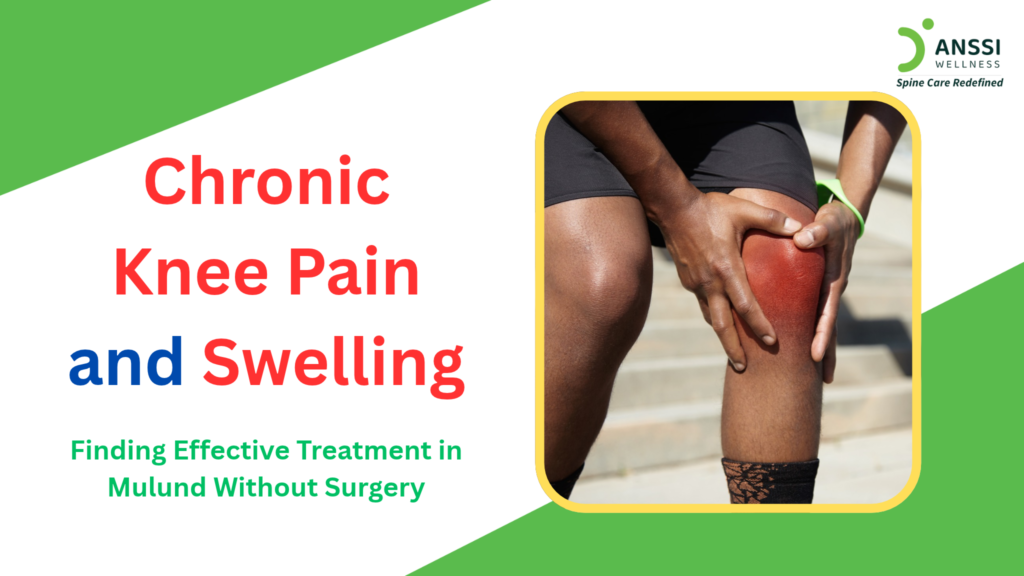
Knee pain and swelling can be frustrating, particularly for people who enjoy staying active. Whether you regularly visit the gym, go for morning walks, practise yoga, or participate in recreational sports, knee discomfort can interfere with your fitness routine and everyday activities.
For active residents of Mulund, persistent knee swelling should not be dismissed as ordinary post-workout soreness. It may indicate inflammation, joint irritation, cartilage problems, or an underlying injury. Continuing intense physical activity without understanding the cause can aggravate symptoms and delay recovery.
The good news is that many knee conditions can initially be managed through appropriate non-surgical treatment, including physiotherapy, rehabilitation exercises, and activity modification.
Understanding the Structural Causes of Knee Pain and Swelling
The knee is a complex joint formed by the femur (thighbone), tibia (shinbone), and patella (kneecap). Cartilage, menisci, ligaments, tendons, and surrounding muscles work together to provide stability and allow smooth movement.
Swelling generally occurs when excess fluid accumulates in or around the joint. This may happen due to inflammation, injury, repetitive loading, or an underlying joint condition.
Some common causes include:
1. Knee Osteoarthritis
Osteoarthritis involves progressive changes in the joint cartilage and surrounding structures. It can cause pain, stiffness, swelling, and difficulty performing activities such as climbing stairs, squatting, or walking for extended periods.
2. Cartilage and Meniscus Injuries
The menisci act as shock absorbers between the thighbone and shinbone. A meniscus tear or cartilage injury may cause pain, swelling, catching sensations, and difficulty bending or straightening the knee.
3. Ligament Injuries
Ligaments such as the ACL and MCL help stabilise the knee. Injuries may occur during sudden changes in direction, twisting movements, sports, or accidents. Depending on the severity, symptoms can include swelling, pain, and a feeling of instability.
4. Overuse and Repetitive Stress
Running, jumping, heavy squats, and repeated high-intensity workouts can overload knee structures, particularly when training intensity increases too quickly or muscle strength and movement control are inadequate.
5. Inflammatory Conditions
Certain inflammatory conditions can cause joint swelling, warmth, stiffness, and pain. In these cases, identifying the underlying medical condition is essential before beginning a rehabilitation programme.
Warning Signs That Your Knee Swelling Requires Medical Assessment
Not every episode of knee discomfort indicates serious structural damage. However, recurring swelling or persistent pain should be evaluated rather than ignored.
Watch for the following symptoms:
- Swelling that continues or repeatedly returns after exercise.
- Pain while climbing or descending stairs.
- Difficulty bending or completely straightening the knee.
- A clicking, catching, or locking sensation.
- Feeling that the knee may give way while walking.
- Reduced movement or difficulty performing squats.
- Pain that interferes with walking, sleeping, or daily activities.
Certain symptoms require prompt medical attention. Sudden significant swelling following an injury, inability to bear weight, or a hot, red, swollen knee accompanied by fever may indicate a serious problem, including infection.
A doctor may recommend a physical examination and investigations such as X-rays or MRI, depending on the suspected condition. In selected cases, joint fluid may need to be examined to identify infection, crystals, or other causes of inflammation.
Non-Surgical Knee Rehabilitation at ANSSI Wellness, Mulund
For people exploring knee pain treatment in Mulund, ANSSI Wellness offers an Advanced Knee Rehabilitation Programme that combines clinical assessment, physiotherapy, customised exercises, and modern knee decompression technology for appropriately selected patients.
The objective is to improve knee function, support surrounding muscles, manage symptoms, and help patients return to suitable everyday activities.
The programme may involve the following components:
1. Detailed Knee Assessment
Treatment begins with an evaluation of the patient’s symptoms, medical history, movement patterns, muscle strength, flexibility, and range of motion. MRI or X-ray findings may also be reviewed when available and clinically relevant.
2. Physiotherapy and Muscle Strengthening
Physiotherapy plays an important role in knee rehabilitation. Exercises may focus on strengthening the quadriceps, hamstrings, hip muscles, and other structures that support knee movement and stability.
Improving muscle strength and movement control can help patients perform everyday activities with greater confidence.
3. Modern Knee Decompression Technology
Knee decompression may be considered as an additional component of rehabilitation for selected patients. The approach uses controlled stretching forces intended to reduce mechanical loading around the joint.
However, its suitability should be determined through an appropriate clinical assessment.
4. Individualised Exercise and Lifestyle Guidance
Patients receive guidance on suitable exercises, activity modification, movement techniques, and precautions. The objective is to help them gradually resume physical activities without repeatedly aggravating their symptoms.
Should You Continue Working Out When Your Knee Is Swollen?
Continuing intense workouts through pain and swelling is not advisable. However, complete inactivity is not always beneficial either. The appropriate level of activity depends on the cause and severity of the symptoms.
Consider these practical precautions:
- Temporarily reduce running, jumping, and heavy squats if they aggravate symptoms.
- Avoid repeatedly testing the knee through painful movements.
- Use gentle, comfortable movement when medically appropriate.
- Follow a physiotherapist-guided strengthening programme.
- Increase exercise intensity gradually as symptoms and function improve.
- Allow adequate recovery between training sessions.
If swelling develops suddenly or is associated with significant pain or instability, seek medical assessment before returning to exercise.
About ANSSI:
ANSSI Wellness focuses on improving the quality of life for patients suffering from spinal issues, aiming to provide relief where other conventional treatments have failed. Through advanced Non-Surgical Spinal Decompression Treatment, ANSSI is committed to helping patients avoid surgery and recover in a safe, effective, and compassionate environment.
Book Consultation:
Call +91 9004726844 | 9920936844
Visit www.anssiwellness.com
Connect with ANSSI Wellness on LinkedIn, Instagram, and Facebook for expert guidance.