A slipped disc may begin quietly, but its impact on daily life can quickly become overwhelming if ignored. Many people dismiss early symptoms as routine back or neck strain, only to realise much later that the discomfort was actually the beginning of a more serious condition.
Identifying these early signs is crucial because timely treatment can prevent long-term nerve compression, chronic pain, and restricted mobility. The good news is that most cases can be managed effectively without surgery, provided you seek the right help at the right time.
What is a Slipped Disc?
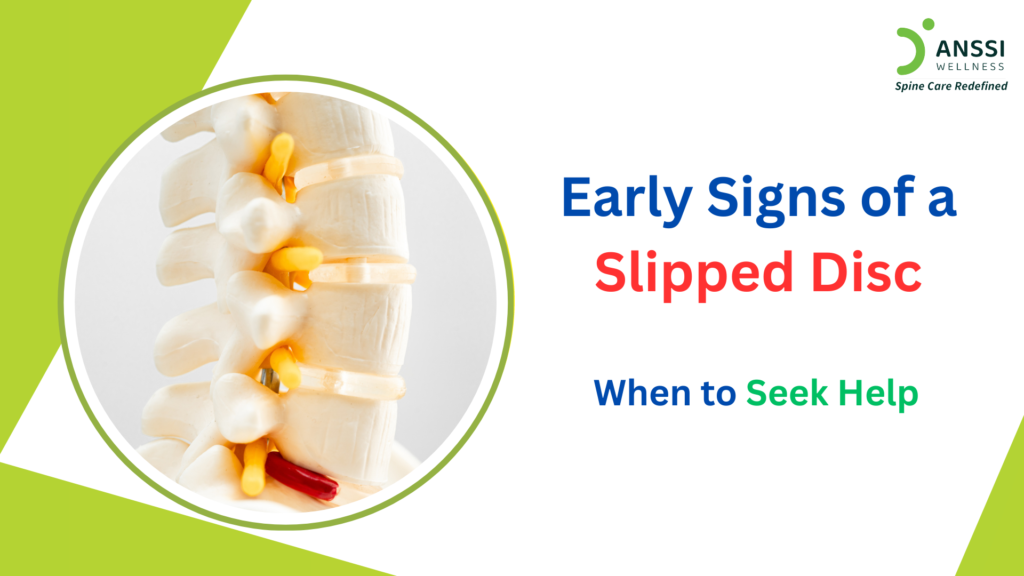
Your spine is made up of a series of bones called vertebrae, separated by soft, cushion-like discs. These discs act as shock absorbers and allow smooth movement.
A slipped disc, also known as a herniated or prolapsed disc, occurs when the soft inner material of the disc pushes out through a weakened area in the outer layer. This material can irritate nearby nerves, leading to pain and neurological symptoms.
A slipped disc most commonly affects the lower back (lumbar region) but can also occur in the neck (cervical region), resulting in varied symptoms depending on the location.
Early Symptoms You Should Not Ignore
A slipped disc rarely appears suddenly, because the body often gives early warning signs.
- The first and most common symptom is localised back or neck pain. This pain may start as a dull ache but gradually intensifies during daily activities.
- If the herniation presses on a nerve, the pain may radiate down the arms (in cervical cases) or legs (in lumbar cases), often described as sharp, shooting, or burning.
- Tingling sensations, numbness, or a “pins-and-needles” feeling are also red flags. These symptoms suggest nerve involvement and should be taken seriously.
- Muscle weakness, such as difficulty lifting objects, gripping, or walking, is another early indicator that should not be ignored.
- You may also notice increased pain during coughing, sneezing, bending, or sitting for extended periods.
These symptoms do not necessarily confirm a slipped disc, but they certainly warrant a professional evaluation before the condition worsens.
Possible Causes of a Slipped Disc
Slipped discs are often the result of lifestyle habits, occupational strain, or natural ageing.
- One of the most common causes is poor posture, especially among individuals who sit for long hours at desks or work on computers. Over time, this weakens the spine and increases the risk of disc problems.
- Incorrect lifting techniques, such as bending at the waist instead of the knees, can put sudden pressure on the discs and cause injury.
- Sudden twisting movements, slips, or falls may also trigger a disc herniation.
- Age-related wear and tear (known as disc degeneration) is a natural contributor. As we grow older, discs lose hydration and elasticity, making them more vulnerable.
- Other factors such as obesity, a sedentary routine, weak core muscles, and repetitive strain can significantly increase the likelihood of developing a slipped disc, even in younger adults.
Diagnostic Tests to Confirm the Condition
If you experience persistent symptoms, a spine specialist can conduct a detailed clinical examination to determine the cause of the pain. This evaluation includes assessing your posture, checking muscle strength, and identifying neurological changes.
- The most accurate test to diagnose a slipped disc is an MRI scan, which clearly shows the condition of the discs and nerve compression.
- X-rays are often used to rule out fractures or bone-related issues, but cannot show soft tissues such as discs.
- In some cases, nerve conduction studies or neurological tests may be done to evaluate the extent of nerve involvement.
- Early imaging and diagnosis can help create a personalised treatment plan and prevent further deterioration.
Non-Surgical Treatment Options
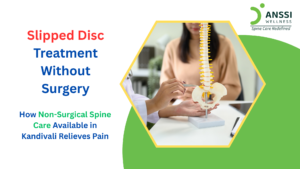
Contrary to popular belief, surgery is not the first option for most slipped disc cases. A wide range of non-surgical treatments can effectively reduce pain, relieve nerve pressure, and promote natural healing.
1. Rest and Activity Modification
Short-term rest, avoiding heavy lifting, and correcting daily posture can significantly reduce strain on the affected disc. Patients should not completely avoid movement, as gentle activity enhances recovery.
2. Physiotherapy and Exercises
Physiotherapists use targeted exercises to strengthen the back and core muscles. Stretching, mobility exercises, and manual therapy help improve spine stability and reduce pain. Heat or ice therapy can further ease discomfort.
3. Non-Surgical Spinal Decompression Treatment
One of the most advanced and effective treatments for slipped discs is Non-Surgical Spinal Decompression. This US FDA-approved treatment gently stretches the spine using a specialised machine, creating negative pressure within the discs. This allows the bulging disc material to retract, reduces nerve compression, and improves nutrient flow for healing.
Non-Surgical Spinal Decompression Treatment is non-invasive, pain-free, and suitable for people who wish to avoid surgery.
4. Pain Management Therapies
Treatments like TENS therapy, traction, or chiropractic care may be recommended to manage pain and enhance mobility.
5. Lifestyle Modifications
Maintaining a healthy weight, strengthening core muscles, practising good ergonomics, and avoiding long periods of sitting can prevent recurrence.
About ANSSI:
ANSSI Wellness focuses on improving the quality of life for patients suffering from spinal issues, aiming to provide relief where other conventional treatments have failed. Through advanced Non-Surgical Spinal Decompression Treatment, ANSSI is committed to helping patients avoid surgery and recover in a safe, effective, and compassionate environment.
Connect with ANSSI Wellness on LinkedIn, Instagram, and Facebook for expert guidance.