
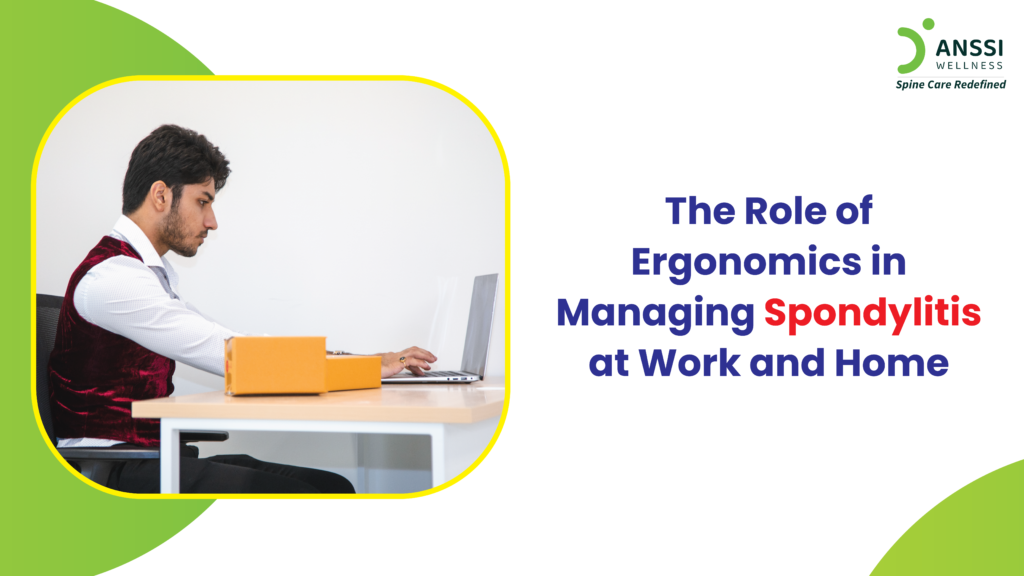
Spondylitis, a chronic inflammatory condition affecting the spine, has become increasingly common in today’s fast-paced and sedentary world. It leads to stiffness, pain, and reduced mobility, symptoms that often worsen due to poor posture and improper body mechanics.
While medication, exercise, and physiotherapy play important roles in managing this condition, one element is often overlooked yet crucial: ergonomics. The way we sit, stand, move, and perform daily tasks directly impacts spinal health.
With the right ergonomic adjustments, individuals with spondylitis can significantly reduce discomfort and prevent flare-ups both at work and at home.
Understanding Spondylitis and Its Triggers
Spondylitis typically involves inflammation of the joints and ligaments of the spine. Over time, this inflammation may lead to pain, stiffness, and a limited range of motion.
Many daily habits unintentionally aggravate the condition. Prolonged sitting, slouching, working on a laptop at improper angles, lifting incorrectly, and repetitive strain all contribute to spinal stress.
Symptoms such as chronic back or neck pain, morning stiffness, headaches due to poor neck posture, and fatigue are often tied to the ergonomics of one’s environment. When the spine remains in an unhealthy position for long hours, muscles tighten, joints stiffen, and inflammation increases, leading to the worsening of spondylitis symptoms.
Ergonomics at Work: Protecting Your Spine During Long Hours
For people with desk jobs or roles requiring extended screen time, workplace ergonomics plays a vital role in pain management.
1. Set Up an Ergonomic Workstation
A proper workstation ensures that the spine remains in neutral alignment.
- Chair Height: Your feet should rest flat on the floor, with knees at hip level.
- Lumbar Support: A chair with adequate lower-back support prevents slouching and reduces strain.
- Monitor Position: The top of the screen should be at eye level to avoid bending the neck forward.
- Keyboard and Mouse: Position them close enough to avoid overstretching the arms or rounding the shoulders.
2. Maintain a Neutral Posture
Keep your back straight, shoulders relaxed, and avoid leaning forward. Your ears should be aligned with your shoulders, not jutting forward, which leads to “tech neck,” a major source of cervical stiffness in spondylitis patients.
3. Take Frequent Micro-Breaks
Sitting continuously increases pressure on the spine.
- Taking short breaks every 45-60 minutes helps reset your posture and reduce joint stress.
- Stretching the neck, upper back, and lower spine improves mobility and reduces inflammation.
4. Use Ergonomic Tools
Investing in supportive tools can drastically improve comfort:
- Adjustable chair
- Standing desk
- Footrest
- Ergonomic keyboard/mouse
These tools promote movement and reduce repetitive strain injuries, allowing individuals to work comfortably without compromising spinal health.
Ergonomics at Home: Making Daily Tasks Spine-Friendly
Home environments often contribute to spinal strain more than workplaces because ergonomic habits are easily overlooked. Simple changes in domestic routines can be transformative.
1. Safe Posture During Household Chores
Activities such as mopping, washing clothes, or sweeping frequently involve bending forward, which puts excessive pressure on the spine.
- Use long-handle tools to minimise bending.
- When lifting objects, bend at the knees instead of the waist.
- Avoid twisting the neck or back abruptly; instead, turn the whole body.
2. Healthy Use of Devices at Home
Mobile phones and laptops are major culprits behind poor posture.
- Avoid looking down at your phone for long periods. Bring the phone to eye level.
- Sit upright while using a laptop, preferably on a table rather than the bed.
- Keep the screen centred to avoid tilting the neck or shoulders.
3. Ergonomic Sleeping Setup
Rest is crucial for recovery, and your sleep posture matters.
- Use a medium-firm mattress that supports the natural curves of the spine.
- A thin to medium pillow is ideal to keep the neck aligned with the body.
- Sleeping on the back or side is preferable to stomach-sleeping, which strains the lower back and neck.
Non-Surgical Supportive Treatments for Spondylitis
While ergonomics is essential, additional supportive treatments can help individuals manage chronic spine conditions more effectively.
Physiotherapy
Physiotherapy strengthens the muscles supporting the spine, improves flexibility, and corrects postural imbalances. Manual therapy, guided exercises, and targeted stretching all help reduce pain and stiffness.
Posture Correction
Sometimes, individuals are unaware of their poor posture. Structured posture correction programs teach patients how to maintain proper alignment while sitting, standing, and moving.
Heat and Cold Therapy
- Heat therapy: Relaxes tight muscles and improves blood circulation.
- Cold therapy: Reduces inflammation and numbs acute pain.
Alternating both can be very effective in managing flare-ups.
Non-Surgical Spinal Decompression Treatment
This advanced treatment gently stretches the spine to reduce pressure on compressed discs and nerves. It is particularly beneficial for individuals with spondylitis-related disc bulges or nerve compression. The spinal decompression process enhances nutrient flow to the discs, promoting natural healing without surgery, medication, or injections.
About ANSSI:
ANSSI Wellness focuses on improving the quality of life for patients suffering from spinal issues, aiming to provide relief where other conventional treatments have failed. Through advanced Non-Surgical Spinal Decompression Treatment, ANSSI is committed to helping patients avoid surgery and recover in a safe, effective, and compassionate environment.
Connect with ANSSI Wellness on LinkedIn, Instagram, and Facebook for expert guidance.