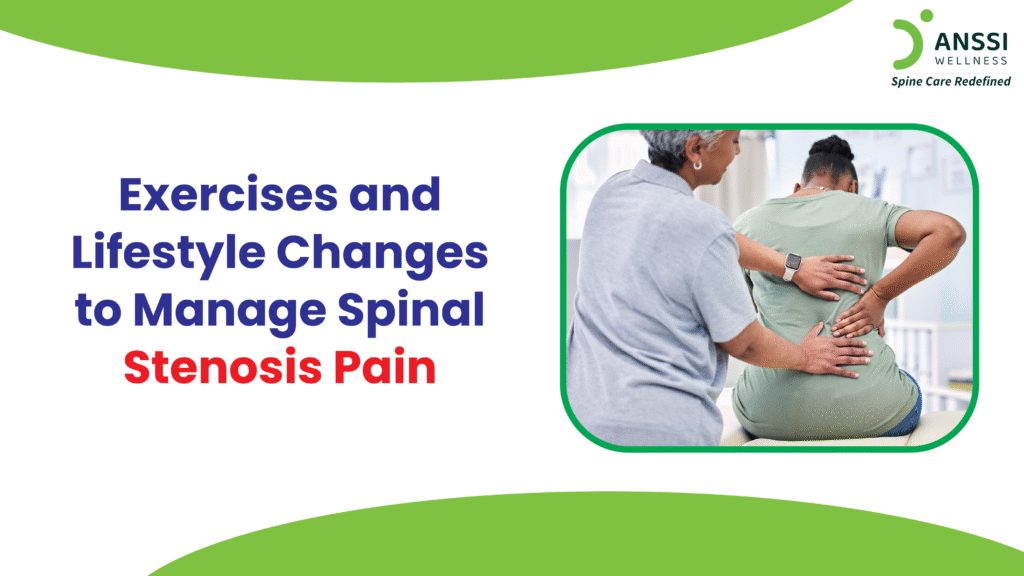
Spinal stenosis happens when the gaps inside your spine narrow, which places pressure on the nerves that pass through it. Back pain, numbness, tingling, or weakness, particularly in the lower back and legs, can result from this nerve compression.
While severe cases may require medical intervention, many individuals with mild to moderate spinal stenosis can manage their pain and maintain mobility through targeted exercises and lifestyle adjustments. Incorporating the right movements and habits can help reduce pressure on the nerves, improve flexibility, and support spinal health.
Recommended Exercises for Spinal Stenosis
Exercise plays a crucial role in managing spinal stenosis pain. The right combination of stretching, strengthening, and low-impact aerobic activities can relieve symptoms and prevent further deterioration.
1. Stretching: Improve Flexibility and Reduce Nerve Pressure
Gentle stretching exercises can help loosen tight muscles, increase flexibility, and reduce pressure on the spinal nerves.
- Concentrate on stretches that work the lower back, hip flexors, and hamstrings. For example, lying hamstring stretches or a seated forward bend can ease tension in the lower body, indirectly reducing strain on the spine.
- Yoga poses like the child’s pose or cat-cow stretch can also provide relief while improving spinal mobility.
Always stretch slowly and avoid bouncing or overstretching, which may worsen symptoms.
2. Strengthening: Support the Spine with Stronger Muscles
Maintaining good posture and lowering spinal load requires strong back and core muscles.
- Strengthening exercises focus on building endurance in the muscles that support the spine, especially the abdominal and back extensors.
- Pelvic tilts, bridging exercises, and gentle planks are effective ways to engage these muscles without excessive strain.
- Light resistance training under the guidance of a physiotherapist can also enhance muscle support and stability, reducing the risk of nerve compression.
3. Low-Impact Aerobics: Keep Moving Safely
Low-impact aerobic activities help improve blood circulation, maintain joint flexibility, and promote healthy weight, all important factors in managing spinal stenosis.
- Walking on flat surfaces is a safe and effective form of aerobic exercise.
- Swimming and water aerobics are particularly beneficial because the buoyancy of water reduces stress on the spine while allowing full-body movement.
- Aim for at least 20-30 minutes of low-impact aerobic activity on most days of the week, gradually increasing the duration as tolerated.
Lifestyle Changes to Complement Exercise
Beyond exercises, adopting spine-friendly lifestyle habits can greatly enhance pain management and prevent further irritation of spinal nerves.
1. Maintain a Healthy Weight
Excess body weight adds extra pressure on the spine, worsening spinal stenosis symptoms. Losing even a small amount of weight can significantly reduce stress on the lower back and improve mobility. Pairing regular exercise with a balanced, nutrient-rich diet supports healthy weight management while nourishing bones and muscles.
2. Practise Good Posture
Poor posture can increase the strain on the spine and aggravate nerve compression.
- Make a conscious effort to sit, stand, and walk with proper alignment.
- Avoid slouching or leaning forward for long periods.
- When standing, distribute your weight evenly across both feet and when sitting, keep your back supported and feet flat on the floor.
Being aware of one’s posture can help avoid more strain on the spine and lessen pain flare-ups.
3. Use Ergonomic Furniture
Investing in ergonomic furniture, such as chairs with lumbar support or adjustable workstations, can help maintain spinal alignment throughout the day.
Avoid sitting on soft couches or chairs that encourage poor posture. Consider using a standing desk or alternating between sitting and standing during long work hours to minimise spinal strain.
4. Avoid Prolonged Sitting
Long-term sitting can stiffen the lower spine and increase strain on it.
- Take frequent breaks to stand up, stretch, or walk around every 30-60 minutes.
- If you need to sit for extended periods, use a supportive cushion or lumbar roll to maintain natural spinal curves.
- Simple actions like adjusting your seating posture or taking regular movement breaks can make a big difference in managing pain.
Taking Small Steps Toward Long-Term Relief
By integrating the above gentle exercises, strengthening routines, and low-impact aerobic activities with healthy lifestyle changes, you can take proactive steps to reduce symptoms and enhance your quality of life. Consistency is key; regular practice of these strategies can gradually improve mobility, reduce pain, and prevent further nerve compression.
However, it’s important to seek professional guidance before starting any exercise program, especially if you have severe symptoms or other underlying health conditions. A physiotherapist or spine care specialist can create a personalised plan tailored to your needs, ensuring exercises are performed safely and effectively.
About ANSSI:
ANSSI Wellness focuses on improving the quality of life for patients suffering from spinal issues, aiming to provide relief where other conventional treatments have failed. Through advanced non-surgical spinal decompression treatment, ANSSI is committed to helping patients avoid surgery and recover in a safe, effective, and compassionate environment.
Connect with ANSSI Wellness on LinkedIn, Instagram, and Facebook for expert guidance.