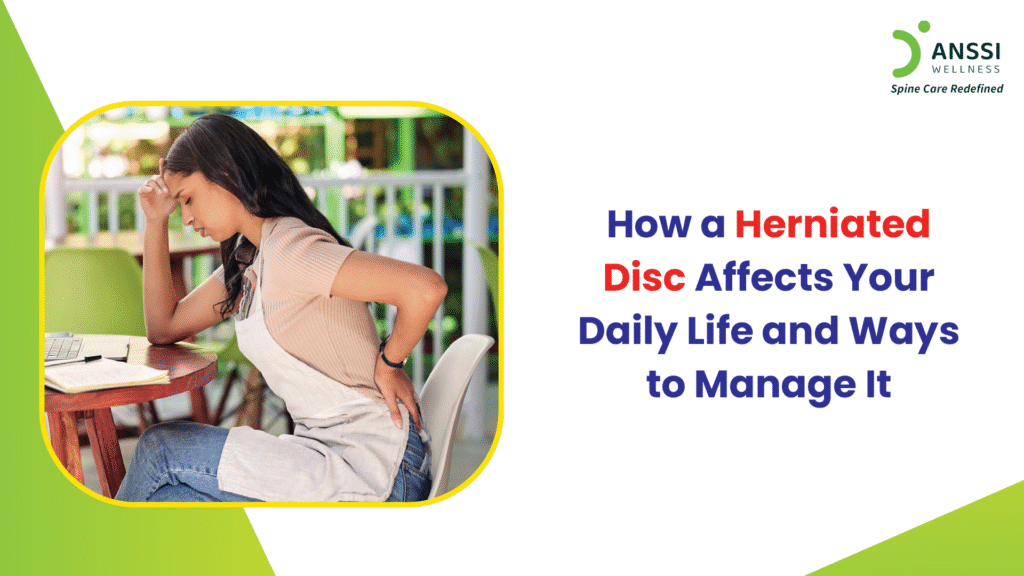
Back pain is one of the most common health complaints today, and among the many causes, a herniated disc ranks high. This condition occurs when the soft, gel-like material inside the discs of your spine breaks through the outer layer. The effects of a herniated disc on daily life can be significant, impacting mobility, productivity, and overall quality of life.
How a Herniated Disc Affects Daily Life
Understanding how a herniated disc affects you, and knowing the best ways to manage it, is the first step toward regaining comfort and freedom.
1. Physical Limitations
The spine is central to almost every movement we make. When a disc is herniated, it can press on nearby nerves, causing stiffness, numbness, or pain. Everyday activities like bending to tie your shoes, lifting groceries, or sitting at your desk, become difficult. Many people find themselves avoiding movements that once seemed natural. Over time, this limitation not only reduces independence but can also lead to muscle weakness and reduced flexibility.
2. Chronic Pain
Pain is the most disruptive part of a herniated disc. The discomfort can be localised in the back or neck, but it often radiates to other areas. For example, a lumbar herniated disc may cause shooting pain down the legs (in cases such as sciatica), while a cervical herniated disc can send pain into the arms.
Pain tends to worsen with long periods of sitting, sudden movements, or even coughing and sneezing, making daily movement a constant struggle.
3. Emotional and Mental Stress
Living with continuous pain takes a toll not just on the body but also on the mind.
- Frustration builds when routine activities become obstacles.
- Many individuals experience stress, anxiety, or even depression due to the unpredictability of flare-ups.
- Poor sleep caused by discomfort further reduces energy and concentration, affecting both personal and professional life.
4. Work and Lifestyle Disruptions
For many professionals, especially those with desk jobs, sitting for prolonged hours becomes unbearable. On the other hand, those in physically demanding jobs face difficulty lifting or bending. Athletes or fitness enthusiasts often find themselves sidelined, losing progress and motivation.
Social life also takes a hit. When pain keeps you from participating in outings, hobbies, or even simple family activities, isolation can set in.
Effective Management Strategies
The good news is that while a herniated disc can feel overwhelming, it can often be managed effectively without surgery. A combination of lifestyle changes and non-surgical treatments can provide relief and help you restore normalcy.
1. Lifestyle Adjustments
- Ergonomic Posture: Maintaining correct posture when sitting, standing, or lifting is crucial. An ergonomic chair with lumbar support can make a big difference for office workers.
- Movement Breaks: Avoid sitting or standing for long stretches. Every 30 to 60 minutes, take a quick break to stretch and move around.
- Gentle Exercise: Light activities such as walking, swimming, or yoga can strengthen supporting muscles without straining the spine. Targeted stretches also help in improving flexibility and reducing stiffness.
- Weight Management: Excess body weight increases pressure on the spine, worsening symptoms. Maintaining a healthy weight eases this burden.
2. Non-Surgical Treatments
Surgery is not always necessary. In fact, many people find relief through safe, non-invasive methods:
- Physical Therapy: Guided exercises help improve posture, strengthen core muscles, and restore spinal alignment.
- Heat and Cold Therapy: Applying heat relaxes tight muscles, while cold packs reduce inflammation and swelling.
- Medication (when needed): Pain relievers and anti-inflammatory drugs can be used under medical supervision for temporary relief.
- Non-Surgical Spinal Decompression Treatment: One of the most advanced non-invasive treatments, this treatment gently stretches the spine using specialised equipment. By reducing pressure on the herniated disc and surrounding nerves, spinal decompression promotes natural healing, improves mobility, and provides long-term pain relief without surgery or injections.
Why Non-Surgical Care is Worth Considering
Surgical intervention is sometimes recommended for severe or complicated cases, but it comes with risks like infection, prolonged recovery, or limited effectiveness in the long run. For many patients, non-surgical spinal decompression treatment and physical therapy are safer, cost-effective alternatives that offer sustainable results. These treatments address the root cause rather than simply masking pain, helping individuals return to their normal routines with confidence.
About ANSSI:
ANSSI Wellness focuses on improving the quality of life for patients suffering from spinal issues, aiming to provide relief where other conventional treatments have failed. Through advanced Non-Surgical Spinal Decompression Treatment, ANSSI is committed to helping patients avoid surgery and recover in a safe, effective, and compassionate environment.
Connect with ANSSI Wellness on LinkedIn, Instagram, and Facebook for expert guidance.