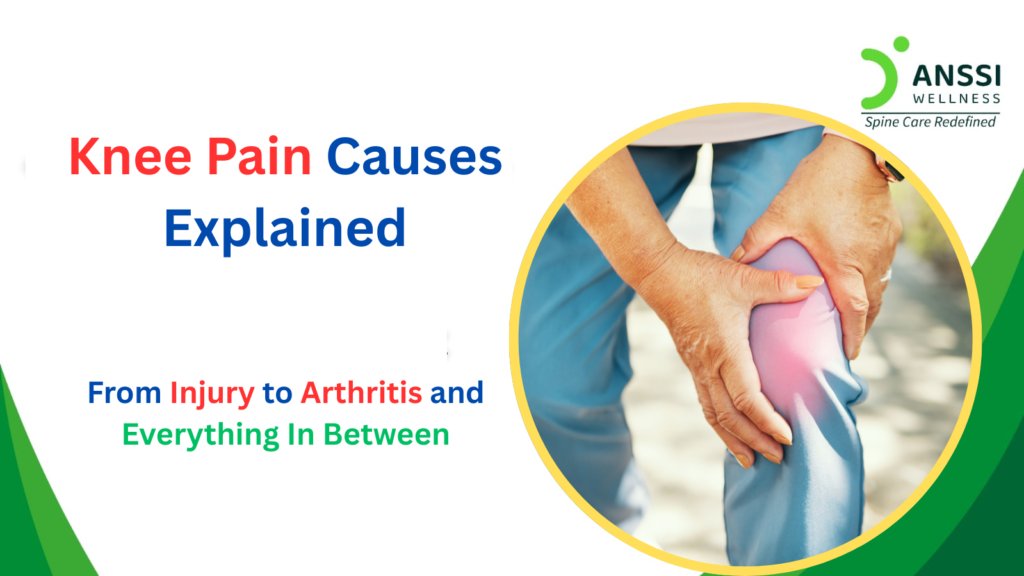
Knee pain is a common problem that affects people of all ages. Whether it is caused by an injury, repetitive strain, or long-term joint degeneration, knee pain can significantly impact mobility and daily activities. For many individuals, knee pain can make simple tasks such as walking, climbing stairs, or standing for long periods uncomfortable or even difficult.
Understanding the underlying causes of knee pain is essential for choosing the right treatment and preventing the condition from worsening. Fortunately, many patients can manage chronic knee pain through non-surgical treatments, including advanced treatments such as knee decompression.
Why Knee Pain is So Common
The knee joint plays a crucial role in supporting body weight and enabling movement. It connects the thigh bone (femur) to the shin bone (tibia) and is supported by cartilage, ligaments, tendons, and muscles.
Because the knee is constantly involved in activities such as walking, running, bending, and lifting, it is exposed to continuous stress. Over time, this stress can lead to injuries or gradual joint degeneration.
Knee pain may develop suddenly due to an injury or gradually over time due to wear and tear. Identifying the cause of knee pain is important for selecting the most effective treatment approach.
Common Causes of Knee Pain
Knee pain can arise from several different conditions, ranging from acute injuries to long-term degenerative diseases.
Injuries
Injuries are one of the most common causes of knee pain, especially among athletes or individuals involved in physically demanding activities.
- Ligament injuries such as ACL (anterior cruciate ligament) or MCL (medial collateral ligament) tears can occur when the knee experiences sudden twisting or impact. These injuries may cause swelling, instability, and difficulty moving the joint.
- Another frequent injury is a meniscus tear, which occurs when the cartilage that cushions the knee joint becomes damaged. This type of injury often results from sudden movements, sports activities, or accidents.
- Knee injuries can also occur due to falls, improper lifting techniques, or high-impact physical activities.
Degenerative Joint Conditions
Over time, the knee joint may gradually wear down due to ageing or repetitive stress. One of the most common degenerative conditions affecting the knee is Osteoarthritis.
Osteoarthritis occurs when the cartilage that protects the ends of bones slowly deteriorates. As the cartilage becomes thinner, the bones may begin to rub against each other, leading to pain, stiffness, and inflammation.
This condition is more common in older adults but can also affect younger individuals, especially those with a history of knee injuries or excessive joint stress.
Lifestyle and Overuse Factors
Certain lifestyle factors can also contribute to knee pain.
- Excess body weight, for example, places additional pressure on the knee joints. Every step taken while walking can place several times the body’s weight on the knees, which increases the risk of joint damage.
- Repetitive movements associated with running, climbing stairs, or physically demanding jobs can also strain the knee joint over time. These repetitive stresses may gradually weaken the supporting structures around the knee.
- Muscle imbalances or weak leg muscles may further reduce the stability of the knee joint, making it more vulnerable to injury and pain.
Symptoms That Indicate Chronic Knee Problems
The symptoms of knee pain may vary depending on the underlying cause. Some individuals may experience mild discomfort that occurs occasionally, while others may suffer from persistent pain that interferes with daily activities.
Common symptoms of chronic knee problems include:
- Persistent knee pain or tenderness
- Swelling around the joint
- Stiffness and reduced flexibility
- Difficulty bending or straightening the knee
- Pain while walking, climbing stairs, or standing for long periods
- Clicking or grinding sensations during movement
If these symptoms continue for an extended period, it is important to seek medical advice to determine the underlying cause.
Non-Surgical Treatment Options for Knee Pain
Many people assume that surgery is the only option when knee pain becomes severe. However, in many cases, non-surgical treatments can effectively reduce pain and improve joint function.
Physiotherapy and Strengthening Exercises
Physiotherapy is often one of the first treatments recommended for knee pain. Targeted exercises can strengthen the muscles surrounding the knee, including the quadriceps and hamstrings.
Stronger muscles provide better support to the joint and help reduce pressure on damaged areas. Physiotherapy can also improve flexibility, balance, and coordination, which can reduce the risk of further injury.
A physiotherapist may also guide patients on proper movement techniques and posture to protect the knee joint during daily activities.
Lifestyle Changes
Simple lifestyle adjustments can also play an important role in managing knee pain.
- Maintaining a healthy body weight can significantly reduce stress on the knees and slow the progression of joint degeneration.
- Regular low-impact exercises such as swimming, cycling, or walking can help maintain joint mobility without placing excessive strain on the knees.
- Using proper footwear and avoiding repetitive high-impact activities may also help protect the joints from further damage.
Advanced Non-Surgical Treatment: Knee Decompression
One of the newer treatment options available for chronic knee pain is knee decompression treatment. This advanced procedure is designed to reduce pressure within the knee joint.
When the joint is constantly compressed, it can accelerate cartilage damage and increase inflammation. Knee decompression treatment uses specialised technology to gently separate the joint surfaces, which may help improve circulation and reduce pressure on the damaged cartilage.
By relieving stress on the joint, knee decompression treatment may help reduce pain, improve mobility, and support the natural healing process.
This treatment is often combined with physiotherapy and other supportive treatments to achieve better long-term outcomes.
About ANSSI:
ANSSI Wellness focuses on improving the quality of life for patients suffering from spinal issues, aiming to provide relief where other conventional treatments have failed. Through Advanced Knee Rehabilitation Treatment, ANSSI is committed to helping patients avoid surgery and recover in a safe, effective, and compassionate environment.
Connect with ANSSI Wellness on LinkedIn, Instagram, and Facebook for expert guidance.