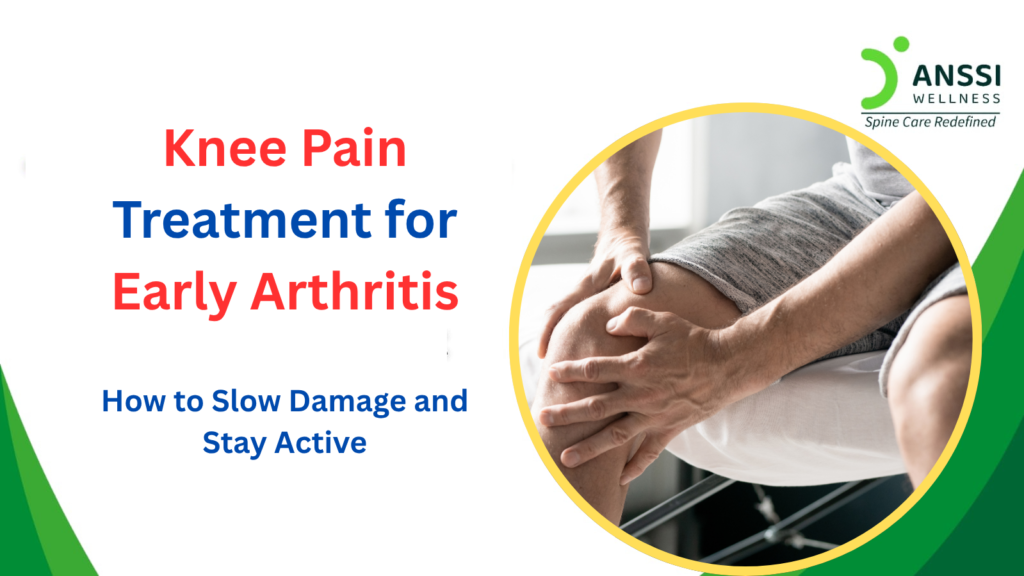
Knee pain is often one of the earliest signs of arthritis, yet many people tend to ignore it until it starts interfering with their daily life. Early-stage arthritis, especially osteoarthritis, develops gradually and may begin with mild discomfort. However, if left untreated, it can lead to significant joint damage, reduced mobility, and chronic pain.
The good news is that with timely intervention and the right treatment approach, it is possible for you to slow down the progression of arthritis and continue living an active, healthy life.
Causes of Early Knee Arthritis
Early knee arthritis is primarily caused by the gradual wear and tear of cartilage, which is the protective cushioning between the bones in the knee joint. As this cartilage begins to thin, friction between the bones increases, leading to pain and inflammation.
Several factors contribute to the development of early arthritis:
- Age and natural wear and tear: Although more common in older adults, early arthritis can affect younger individuals as well.
- Sedentary lifestyle: Long hours of sitting can weaken muscles and reduce joint flexibility.
- Excess weight: Extra body weight increases pressure on the knee joints, accelerating cartilage breakdown.
- Previous injuries: Past ligament or meniscus injuries can make the knee more prone to arthritis.
- Repetitive stress: Jobs or activities that involve frequent kneeling, squatting, or heavy lifting can strain the knees over time.
Understanding these causes helps you in taking preventive steps and choosing the right treatment early on.
Warning Signs and Symptoms
The symptoms of early arthritis are often subtle but should not be overlooked. Early detection of these symptoms can significantly impact the course of treatment.
Common symptoms include:
- Mild but persistent knee pain
- Stiffness, especially after waking up or sitting for long periods
- Pain during activities like walking, climbing stairs, or standing
- Swelling or discomfort after physical activity
- Reduced flexibility and difficulty in bending or straightening the knee
These symptoms may come and go initially, but their frequency and intensity usually increase over time if not addressed.
Importance of Early Intervention
Early intervention is key to managing knee arthritis effectively. When diagnosed at an early stage, it is possible to slow down cartilage damage and prevent the condition from worsening.
Timely treatment helps you in:
- Reducing pain and inflammation
- Improving joint function and mobility
- Preventing further wear and tear of cartilage
- Avoiding complications that may require surgical intervention
Delaying treatment, on the other hand, can lead to increased joint friction, severe pain, and limited movement, eventually making surgery the only viable option.
Effective Non-Surgical Treatment Options
One of the most encouraging aspects of early arthritis management is that many cases can be treated without surgery. Non-surgical treatments focus on relieving pain, improving joint function, and supporting natural healing.
1. Physiotherapy and Strengthening Exercises
Physiotherapy plays a crucial role in managing early arthritis. Targeted exercises help strengthen the muscles around the knee, providing better support to the joint. Strong muscles reduce the load on the knee and improve stability and movement.
2. Weight Management and Lifestyle Changes
Maintaining a healthy weight is essential for reducing stress on the knees. Even a small reduction in weight can significantly decrease joint pressure. Incorporating regular low-impact activities like walking, swimming, or cycling can also help keep the joints active and flexible.
3. Pain Management
In some cases, doctors may recommend medications to control pain and inflammation. These are usually used as supportive treatments and not as a long-term solution.
4. Advanced Knee Decompression Treatment
An innovative and increasingly popular non-surgical option is Knee Decompression Treatment. This advanced technique involves gentle, controlled stretching of the knee joint. The goal is to increase the space between the femur and tibia bones, thereby reducing friction, which is a key cause of pain in arthritis.
By relieving pressure within the joint, knee decompression helps reduce pain, improve mobility, and support better alignment of the knee. When combined with physiotherapy and rehabilitation techniques, it can offer long-term relief and delay or even prevent the need for surgery in many cases.
Long-Term Relief and Prevention Tips
Managing early arthritis is not just about treatment; it also involves adopting habits that support long-term joint health.
- Stay active: Engage in low-impact exercises to keep the joints flexible and strong.
- Maintain proper posture: Good posture reduces unnecessary strain on the knees.
- Avoid overloading the joints: Limit activities that put excessive stress on the knees, such as heavy lifting or prolonged standing.
- Follow a structured rehabilitation plan: Consistency in exercises and therapy is essential for lasting results.
- Listen to your body: Avoid pushing through pain, as it may worsen the condition.
About ANSSI:
ANSSI Wellness focuses on improving the quality of life for patients suffering from knee issues, aiming to provide relief where other conventional treatments have failed. Through Advanced Knee Rehabilitation Treatment, ANSSI is committed to helping patients avoid surgery and recover in a safe, effective, and compassionate environment.
Connect with ANSSI Wellness on LinkedIn, Instagram, and Facebook for expert guidance.