
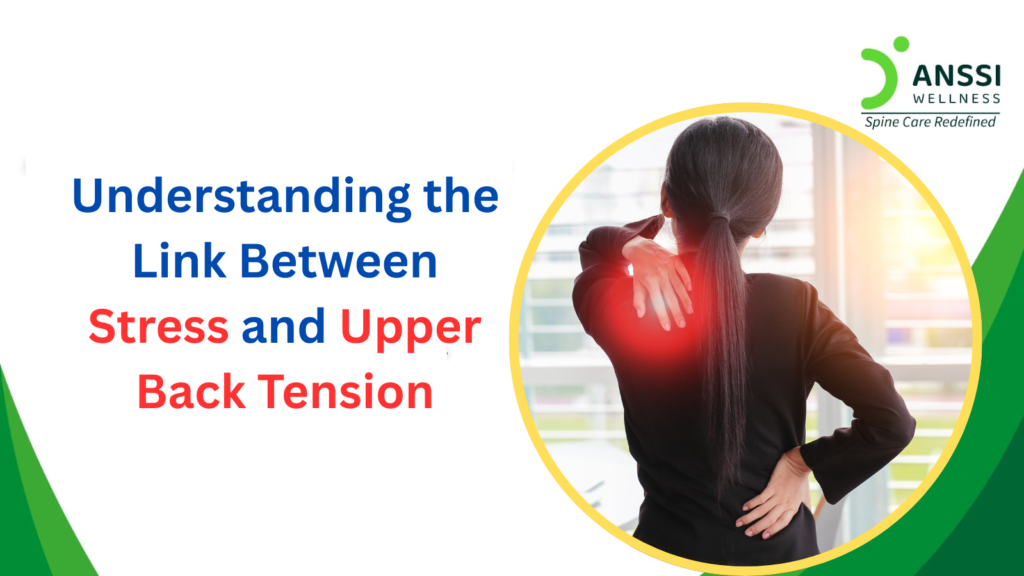
Modern life is often filled with deadlines, responsibilities, and constant pressure. While many people associate stress primarily with emotional or mental strain, it also has a significant impact on the body. One of the most common physical symptoms of stress is upper back tension. Many individuals experience tightness in their shoulders, stiffness in the upper spine, or persistent discomfort between the shoulder blades during stressful periods.
Understanding how stress affects the body can help people recognise the root cause of their discomfort and take effective steps to relieve it. By addressing both emotional stress and physical habits, it is possible to reduce upper back tension and maintain better spinal health.
How Stress Affects the Body
When a person experiences stress, the body activates its natural fight-or-flight response. This response is designed to prepare the body to deal with perceived threats. During this process, the brain signals the release of stress hormones such as cortisol and adrenaline.
These hormones increase alertness and temporarily prepare the muscles for action. As a result, muscles throughout the body begin to tighten. While this response can be helpful in short bursts, prolonged stress can keep the muscles in a semi-contracted state for long periods.
When muscles remain tense for extended periods, they can become fatigued, stiff, and painful. This is why individuals who experience chronic stress often develop muscle discomfort, particularly in the neck, shoulders, and upper back.
Why the Upper Back is Commonly Affected
The upper back is especially vulnerable to stress-related tension because of the way the body responds to emotional strain. When people feel anxious, overwhelmed, or under pressure, they often unconsciously tighten their shoulders or hunch forward.
The trapezius muscle, which extends across the upper back and shoulders, plays a major role in maintaining posture and supporting head movement. This muscle is highly sensitive to stress and frequently becomes tight when the body is under emotional pressure.
In addition to stress itself, modern work habits can make the problem worse. Many professionals spend long hours sitting at desks, working on computers, or using mobile devices.
When stress combines with poor posture and prolonged sitting, the muscles of the upper back become overworked and strained.
Over time, this can lead to persistent upper back tension, reduced flexibility, and even chronic discomfort.
Common Symptoms of Stress-Related Upper Back Pain
Stress-related muscle tension can produce a variety of symptoms. While the intensity may vary from person to person, some of the most common signs include:
Muscle stiffness and tightness
People often feel a constant sense of tightness between the shoulder blades or along the upper spine.
Shoulder discomfort and restricted movement
Tension can make it difficult to move the shoulders freely, leading to stiffness or soreness during daily activities.
Tension headaches
Muscle tightness in the neck and upper back can sometimes trigger headaches that start at the base of the skull.
Neck pain and fatigue
Because the neck and upper back are closely connected, stress-related tension can also cause discomfort in the cervical region.
These symptoms may gradually develop and worsen if stress levels remain high for long periods.
Lifestyle Factors That Can Worsen Upper Back Tension
In addition to emotional stress, several lifestyle habits can intensify upper back tension.
- Poor posture is one of the most significant contributors. Sitting with rounded shoulders, leaning forward toward a screen, or slouching in a chair can strain the muscles of the upper back.
- A sedentary lifestyle can also make muscles weaker and less flexible. Without regular movement or stretching, the muscles become more prone to stiffness and discomfort.
- Lack of sleep is another factor that can worsen the situation. When the body does not get enough rest, it becomes harder for muscles to recover and relax. Chronic stress combined with insufficient sleep can create a cycle of ongoing tension and fatigue.
Effective Ways to Relieve Stress-Related Upper Back Tension
Fortunately, there are several effective strategies that can help reduce stress-related muscle tension and improve upper back comfort.
Stress Management Techniques
Learning how to manage stress is an important step in preventing muscle tension. Practices such as deep breathing exercises, meditation, and mindfulness can help calm the nervous system and reduce the body’s stress response.
Even a few minutes of relaxation each day can make a noticeable difference in muscle tension levels.
Regular Stretching and Physical Activity
Gentle stretching can help loosen tight muscles in the shoulders and upper back. Stretching exercises that target the chest, neck, and upper spine can improve flexibility and relieve stiffness.
Regular physical activity, such as walking, yoga, or light strength training, can also improve circulation and reduce muscle tension.
Improving Workplace Ergonomics
Since many people spend hours working at desks, maintaining proper ergonomics is essential. Some helpful adjustments include:
- Keeping the computer screen at eye level
- Sitting with the back supported and shoulders relaxed
- Placing feet flat on the floor
- Taking short movement breaks every 30-45 minutes
These small changes can significantly reduce strain on the upper back and prevent long-term discomfort.
About ANSSI:
ANSSI Wellness focuses on improving the quality of life for patients suffering from spinal issues, aiming to provide relief where other conventional treatments have failed. Through advanced Non-Surgical Spinal Decompression Treatment, ANSSI is committed to helping patients avoid surgery and recover in a safe, effective, and compassionate environment.
Connect with ANSSI Wellness on LinkedIn, Instagram, and Facebook for expert guidance.