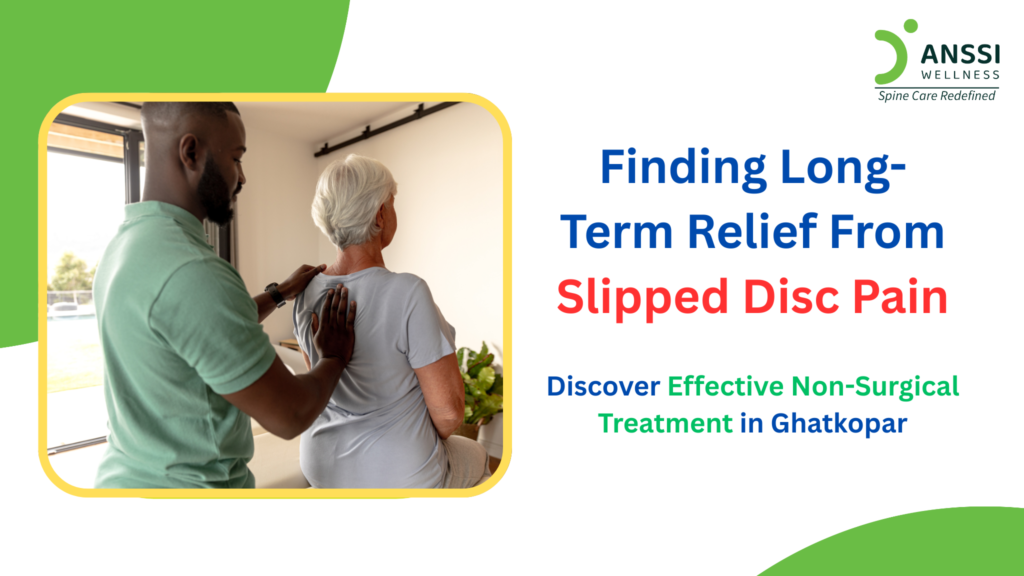
A slipped disc, also known as a herniated or prolapsed disc, is one of the most common yet misunderstood spine conditions affecting people of all age groups. From young professionals working long hours at a desk to seniors experiencing age-related spinal degeneration, slipped disc problems are increasingly common today. What makes this condition serious is that its symptoms often start mildly but can worsen significantly if left untreated.
Early diagnosis and the right non-surgical treatment approach can help prevent long-term nerve damage and help patients regain a pain-free life.
Warning Signs That Indicate the Need for Medical Attention
One of the earliest signs of a slipped disc is persistent back or neck pain that does not improve with rest. This pain may worsen while bending, lifting, sitting for long periods, or even during simple daily activities. Many patients also experience radiating pain—pain that travels from the lower back into the leg (commonly known as sciatica) or from the neck into the shoulders and arms.
Other concerning symptoms include numbness, tingling sensations, or a “pins and needles” feeling in the limbs. Muscle weakness is another major warning sign, making it difficult to walk, grip objects, or maintain balance. In advanced cases, patients may notice reduced flexibility and stiffness that limit mobility.
Certain red-flag symptoms require immediate medical attention. These include rapidly worsening pain, severe weakness in the arms or legs, or problems with bladder or bowel control. Ignoring such signs can result in permanent nerve damage, making timely intervention extremely important.
Limitations of Medication and Surgery
Many individuals rely on painkillers, anti-inflammatory drugs, or muscle relaxants to manage slipped disc pain. While medications can reduce inflammation and offer temporary relief, they do not treat the underlying cause of the problem. Over time, increased dependency on medicines can lead to side effects such as gastric issues, kidney strain, and reduced effectiveness.
Surgery is often considered when pain becomes severe, but it is not always the best first option. Spine surgery carries risks such as infection, nerve injury, scar tissue formation, and long recovery periods. There is also the possibility of failed back surgery syndrome, where pain persists even after the procedure. Additionally, surgery can be financially burdensome and may significantly disrupt daily life and work routines. These limitations have led many patients to seek safer, non-surgical alternatives.
How Spinal Decompression Provides Relief
Non-Surgical Spinal Decompression Treatment is a modern, evidence-based treatment designed to address the root cause of slipped disc pain. This treatment works by gently stretching the spine in a controlled manner, creating negative pressure within the affected disc. As a result, the bulging or herniated portion of the disc is encouraged to retract, reducing pressure on compressed nerves.
By relieving nerve compression, spinal decompression helps reduce pain, inflammation, and neurological symptoms such as numbness and tingling. It also promotes better blood circulation and nutrient flow to the discs, supporting natural healing and disc rehydration. Most importantly, this treatment is non-invasive, drug-free, and does not require downtime, allowing patients to continue their daily routines during the treatment period.
How Other Non-Surgical Therapies Assist in Recovery
While spinal decompression addresses the core issue, a comprehensive recovery plan often includes additional non-surgical therapies.
- Physiotherapy plays a vital role in strengthening the muscles that support the spine, improving flexibility, and restoring proper movement patterns. Targeted exercises help stabilise the spine and reduce the chances of recurrence.
- Posture correction is another crucial aspect of recovery, especially for individuals with desk-based jobs or sedentary lifestyles. Learning proper sitting, standing, and lifting techniques reduces stress on spinal discs.
- Lifestyle guidance, ergonomic advice, and core strengthening exercises further enhance long-term outcomes, ensuring that patients not only recover but also maintain spine health.
Why ANSSI Wellness Ghatkopar Is the Right Choice
ANSSI Wellness Ghatkopar is recognised as a trusted destination for non-surgical spine care, especially for conditions like a slipped disc. The clinic offers advanced USA protocol-based Non-Surgical Spinal Decompression Treatment, supported by a team of experienced spine specialists and physiotherapists. Each patient receives a personalised treatment plan based on their condition, severity, and lifestyle needs.
What sets ANSSI Wellness apart is its holistic approach to spine care. Along with spinal decompression, patients benefit from physiotherapy, posture correction, and expert guidance focused on long-term recovery rather than temporary relief. With a strong track record of helping patients avoid surgery and return to pain-free, active lives, ANSSI Wellness Ghatkopar stands out as one of the best non-surgical treatment centres for slipped discs.