Chronic knee pain is one of the most common musculoskeletal problems affecting people of all age groups. While it is often associated with ageing, younger individuals are also increasingly experiencing knee discomfort due to sedentary lifestyles, obesity, sports injuries, repetitive strain, and poor physical conditioning.
Knee pain can gradually affect everyday activities such as walking, climbing stairs, exercising, working, and even sleeping comfortably. Many people reduce physical activity because they fear exercise may worsen their condition. However, avoiding movement completely can sometimes increase stiffness, weaken muscles, and place even more stress on the knee joints.
The right type of exercise can actually help protect the knees, improve mobility, and support recovery. Low-impact exercises are especially beneficial because they strengthen muscles and improve joint function without placing excessive pressure on the knees.
Understanding Chronic Knee Pain
The knee is one of the largest and most important joints in the body. It supports body weight and allows movements such as walking, bending, sitting, and running.
The knee joint contains:
- Cartilage that cushions the bones
- Ligaments for stability
- Muscles that support movement
- Synovial fluid that helps lubrication
Over time, various factors may damage these structures and contribute to chronic knee pain.
Common causes include:
- Osteoarthritis
- Cartilage wear and tear
- Sports injuries
- Ligament strain
- Obesity-related joint stress
- Muscle weakness
- Inflammation and stiffness
Symptoms of chronic knee pain may include:
- Pain during walking or climbing stairs
- Swelling and stiffness
- Difficulty standing for long periods
- Reduced flexibility
- Grinding or clicking sensations
- Weakness around the knee joint
If ignored, chronic knee pain may gradually reduce mobility and affect overall quality of life.
Why Exercise Matters for Knee Pain
Many people assume rest is the best solution for knee pain. While short-term rest may help during severe pain flare-ups, long-term inactivity can weaken the muscles that support the knees.
Regular low-impact exercise offers several benefits:
- Improves blood circulation
- Strengthens muscles supporting the knee
- Reduces stiffness
- Improves flexibility
- Supports weight management
- Enhances balance and mobility
Stronger muscles help reduce pressure on the knee joints during movement.
However, high-impact activities such as jumping, running on hard surfaces, or sudden twisting movements may worsen joint stress in some individuals. This is why low-impact exercises are usually recommended for people with chronic knee pain.
Safe Low-Impact Exercises for Knee Pain
Here are the effective ways to support knee health without placing excessive stress on the joints.
Walking
Walking is one of the simplest and safest exercises for many knee pain patients.
Gentle walking helps:
- Improve circulation
- Maintain joint movement
- Reduce stiffness
- Support weight control
Patients should start with short distances on flat surfaces and gradually increase duration according to comfort levels.
Wearing supportive footwear is also important to reduce stress on the knees.
Swimming and Water Exercises
Water-based exercises are excellent for individuals with knee pain because water supports body weight and reduces pressure on the joints.
Swimming and aquatic exercises may help:
- Improve mobility
- Strengthen muscles safely
- Increase flexibility
- Reduce pain during movement
The buoyancy of water allows patients to exercise comfortably without excessive joint strain.
Cycling
Low-resistance cycling can improve knee mobility and strengthen leg muscles without heavy impact.
Stationary bicycles are often preferred because they provide:
- Controlled movement
- Better balance
- Reduced fall risk
Cycling helps improve blood flow and supports smoother knee movement.
Stretching Exercises
Gentle stretching exercises improve flexibility and reduce stiffness around the knee joint.
Important muscle groups to stretch include:
- Hamstrings
- Quadriceps
- Calf muscles
Regular stretching may help improve movement and reduce tension affecting the knees.
Stretching should always be done slowly and without sudden bouncing movements.
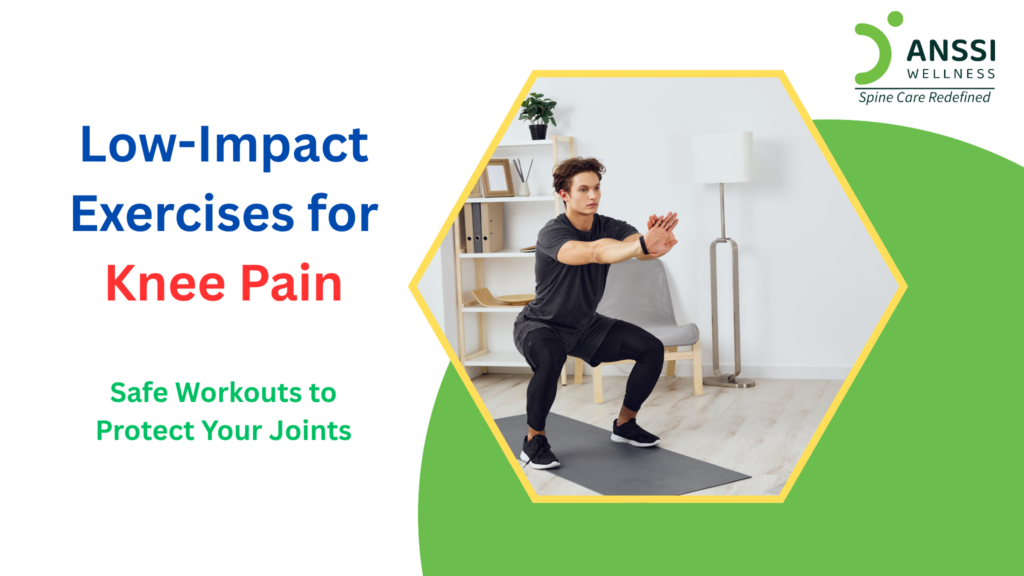
Strengthening Exercises
Muscle weakness can increase pressure on the knee joints. Strengthening exercises help provide better support and stability.
Safe strengthening exercises may include:
- Straight leg raises
- Wall sits
- Mini squats
- Core strengthening exercises
Strong thigh and core muscles help reduce stress on the knees during daily activities.
Exercises should be performed with proper technique and within pain-free limits.
Yoga and Controlled Mobility Exercises
Gentle yoga and mobility exercises may improve:
- Balance
- Flexibility
- Posture
- Joint control
Controlled movement exercises may also help reduce stiffness and improve confidence in movement.
However, individuals with severe knee pain should avoid deep squatting or advanced poses that place excessive strain on the joints.
Important Safety Tips
Exercise is beneficial for knee health, but safety is important to avoid worsening symptoms.
Patients should:
- Warm up before exercise
- Avoid sudden twisting or jumping
- Maintain proper posture during movement
- Increase exercise intensity gradually
- Stop if severe pain develops
- Seek professional guidance when necessary
Pain during mild exercise may sometimes occur initially, but sharp or severe pain should never be ignored.
Listening to the body is essential during recovery.
Combining Exercise with Comprehensive Knee Care
Exercise works best when combined with a comprehensive knee care approach.
Additional supportive measures may include:
- Physiotherapy
- Weight management
- Lifestyle modifications
- Ergonomic adjustments
- Nutritional support
For individuals with chronic knee degeneration or osteoarthritis, advanced rehabilitation programs may provide additional support.
Modern treatment approaches such as Advanced Knee Rehabilitation Programs may include:
- Knee decompression technology
- Personalised physiotherapy
- Muscle strengthening
- Mobility training
- Joint protection strategies
These programs aim to reduce joint pressure, improve function, and support long-term recovery.
Book Consultation:
Call +91 9004726844 | 9920936844
Visit www.anssiwellness.com
About ANSSI:
ANSSI Wellness focuses on improving the quality of life for patients suffering from knee issues, aiming to provide relief where other conventional treatments have failed. Through Advanced Knee Rehabilitation Treatment, ANSSI is committed to helping patients avoid surgery and recover in a safe, effective, and compassionate environment.
Connect with ANSSI Wellness on LinkedIn, Instagram, and Facebook for expert guidance.