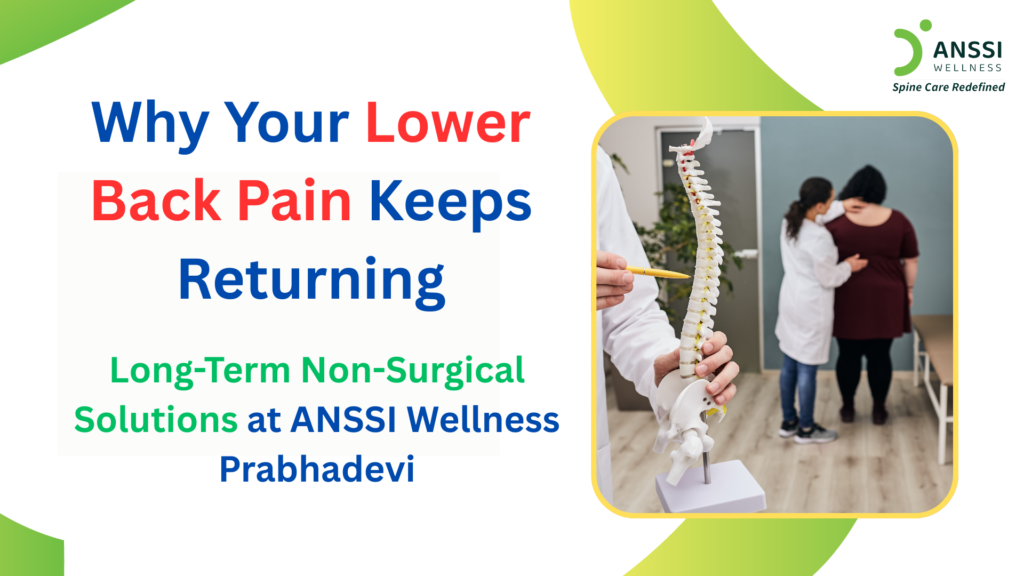
One of the most prevalent health issues affecting people of all ages is lower back pain. While many experience temporary relief through rest, medication, or basic therapies, a large number of individuals find that their pain keeps coming back. Recurring lower back pain can disrupt work, sleep, and daily activities, leaving people frustrated and searching for answers. Understanding why this pain returns is the first step toward finding lasting relief.
The Problem of Recurring Lower Back Pain
Lower back pain often returns because the underlying cause is never fully addressed. Treating symptoms alone may offer short-term comfort, but without correcting the root issue, pain is likely to reappear. For many, recurring episodes signal deeper structural or lifestyle-related problems within the spine that require focused care.
Common Root Causes of Recurrent Lower Back Pain
One of the most frequent causes of recurring lower back pain is disc-related issues. Spinal discs act as cushions between the vertebrae, but over time, they can weaken, bulge, or herniate. A disc bulge or slipped disc can press on nearby nerves, leading to ongoing pain and discomfort.
Lifestyle factors also play a significant role. Prolonged sitting, poor posture, lack of physical activity, and weak core muscles increase stress on the lower spine. Excess body weight adds further strain, accelerating spinal wear and tear. Repetitive movements and improper lifting techniques can cause micro-injuries that worsen over time.
Nerve compression conditions, such as sciatica, are another common cause. When the sciatic nerve is compressed, pain can radiate from the lower back down the leg, often recurring if the nerve pressure remains untreated.
Recognising Symptoms That Should Not Be Ignored
Recurring lower back pain often comes with warning signs that should not be overlooked. Persistent stiffness, sharp or dull pain that lasts for weeks, radiating pain into the legs, numbness, tingling, or weakness are indicators that professional evaluation is necessary. Reduced mobility and difficulty performing daily tasks are further signs that the condition may be progressing.
Ignoring these symptoms can allow the underlying problem to worsen, making recovery more challenging over time.
Diagnostic Clarity: Identifying the Real Cause
Accurate diagnosis is essential for effective treatment. A thorough clinical assessment helps identify movement restrictions, posture imbalances, and areas of pain. Spine specialists may also recommend imaging tests such as MRI scans to clearly identify disc damage, degeneration, or nerve compression.
Diagnostic clarity ensures that treatment targets the actual source of pain rather than relying on guesswork. This approach improves outcomes and helps prevent unnecessary procedures.
Limitations of Conventional Treatments
Conventional treatments like painkillers, anti-inflammatory medications, and muscle relaxants are commonly used to manage lower back pain. While they can reduce discomfort temporarily, they do not repair damaged discs or relieve nerve compression. Prolonged use of medication may also lead to side effects and dependency.
In some cases, injections are used to suppress pain, but their effects are often short-lived. Surgery is generally considered only when symptoms become severe or neurological deficits appear. However, spinal surgery carries risks such as infection, nerve injury, long recovery periods, and uncertain long-term results. Many patients seek alternatives that are safer and less invasive.
Long-Term Non-Surgical Solutions for Lower Back Pain
Advancements in spine care have made non-surgical treatments a viable and effective option for many patients. One of the most advanced methods is Non-Surgical Spinal Decompression Treatment. This treatment gently stretches the spine to reduce pressure within the affected discs.
By creating negative pressure, spinal decompression helps reposition bulging or herniated discs, relieving nerve compression and promoting disc rehydration. Improved blood flow and nutrient exchange support the body’s natural healing process, helping reduce pain and restore mobility over time.
Complementary therapies such as physiotherapy play a crucial role in long-term recovery. Targeted exercises strengthen core muscles, improve flexibility, and enhance spinal stability. Posture correction and ergonomic guidance help reduce daily stress on the lower back, preventing recurrence. Lifestyle guidance, including weight management and activity modification, further supports sustained spine health.
ANSSI Wellness Prabhadevi: Best Spine Clinic for Lower Back Pain
ANSSI Wellness Prabhadevi is recognised for its comprehensive, non-surgical approach to treating recurring lower back pain. The clinic uses advanced, USA protocol-based Non-Surgical Spinal Decompression technology designed to address the root cause of pain safely and effectively.
Each patient receives a personalised treatment plan based on a detailed assessment and diagnosis. Alongside spinal decompression, the care program includes physiotherapy, posture correction, and lifestyle guidance, ensuring a holistic recovery process.
The experienced team at ANSSI Wellness Prabhadevi focuses on long-term results rather than temporary relief. Many patients who previously struggled with recurring pain have regained mobility and returned to active lives through this non-invasive approach.