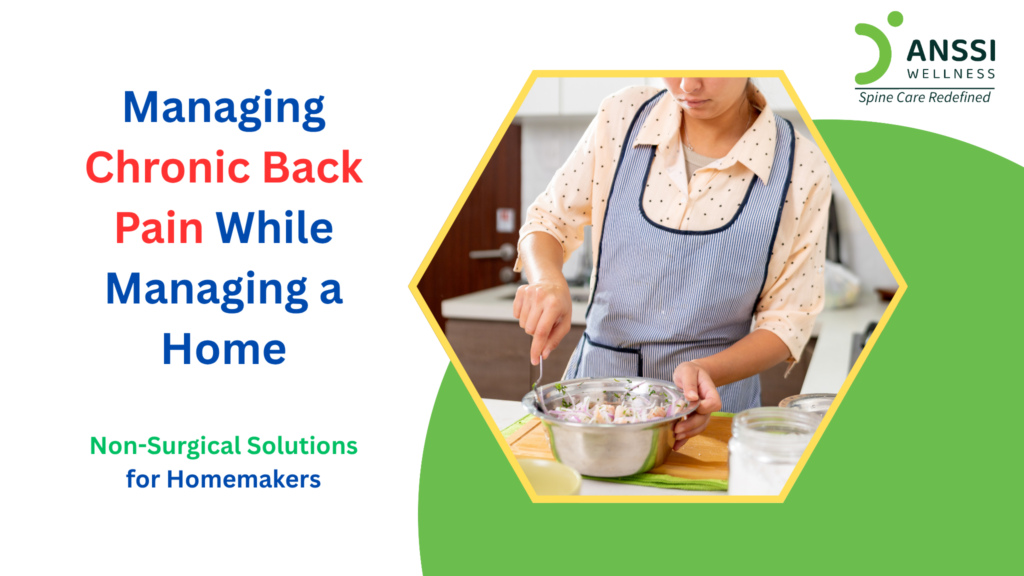
Managing a home is a full-time responsibility that demands physical effort, time, and consistency. From cooking and cleaning to taking care of children and elderly family members, homemakers are constantly on their feet. While fulfilling these responsibilities, many tend to ignore one crucial aspect – their own health.
Chronic back pain is a common issue among homemakers, often caused by repetitive movements and poor posture.
Understanding the Causes of Back Pain in Homemakers
Homemakers perform a wide range of tasks that involve bending, lifting, twisting, and prolonged standing.
- Activities like sweeping, mopping, washing clothes, lifting buckets, or carrying groceries can put continuous strain on the lower back.
- Poor posture during daily chores is another major contributor. For example, bending forward while cooking or washing utensils without proper support can stress the spine.
- Additionally, many homemakers prioritise family needs over their own well-being, often skipping rest and ignoring early signs of discomfort.
Over time, these factors can lead to chronic back pain and reduced mobility.
Common Symptoms to Watch For
Chronic back pain does not appear suddenly, as it develops gradually. Some common signs include persistent lower back pain, stiffness after waking up or prolonged activity, and discomfort while bending or lifting objects.
You may also notice fatigue, difficulty standing for long periods, or reduced flexibility. In some cases, pain may worsen after completing household tasks. Ignoring these symptoms can lead to more serious conditions, making daily activities even more challenging.
Practical Pain Management Tips at Home
With the right non-surgical approaches and daily care, back pain can be effectively managed while continuing household duties.
1. Maintain Proper Posture
Whether you are cooking, cleaning, or folding clothes, maintaining the right posture is essential. Keep your back straight, avoid excessive bending, and use platforms or supports to reduce strain.
2. Use Safe Lifting Techniques
When lifting heavy items like water buckets or grocery bags, always bend your knees instead of your back. Hold the object close to your body and avoid sudden jerky movements.
3. Take Short Breaks
Continuous work without rest increases strain on the spine. Take short breaks between tasks to relax your muscles. Even a few minutes of sitting or stretching can make a big difference.
4. Incorporate Stretching
Simple stretching exercises can help relieve muscle tension and improve flexibility. Gentle stretches for the back, neck, and shoulders can be done daily to prevent stiffness.
5. Use Supportive Tools
Make small changes in your environment. Use long-handled cleaning tools to avoid bending, wear comfortable footwear, and ensure your kitchen platform is at the right height. These adjustments can significantly reduce back strain.
Non-Surgical Treatment Options
Early intervention can prevent complications and ensure faster recovery.
1. Physiotherapy
Physiotherapy is one of the most effective ways to manage chronic back pain. A trained physiotherapist can guide you through exercises that strengthen your core muscles, improve posture, and reduce pain.
2. Non-Surgical Spinal Decompression Treatment
This advanced treatment gently stretches the spine, relieving pressure on discs and nerves. It promotes better blood circulation and helps the body heal naturally. Spinal decompression is a safe and painless option for those looking to avoid surgery.
3. Heat and Cold Therapy
Applying a hot pack can relax tight muscles, while cold packs help reduce inflammation. These simple therapies can provide quick relief when used correctly.
Lifestyle Changes for Long-Term Relief
Long-term relief from back pain requires consistent lifestyle changes.
- Regular low-impact activities like walking or yoga can keep your spine flexible and strong.
- Maintaining a healthy weight reduces pressure on the back, making daily tasks easier.
- A balanced diet rich in calcium and vitamin D supports bone health.
- Most importantly, prioritise rest. Adequate sleep allows your body to recover and repair, which is essential for managing chronic pain.
When to Seek Medical Help
While home remedies and lifestyle changes can help, it is important to recognise when professional care is needed. If your pain persists for weeks, worsens over time, or starts radiating to your legs, it is time to consult a specialist. Symptoms like numbness, tingling, or severe stiffness should not be ignored.
Book Consultation
Call +91 9004726844 | 9920936844
Visit www.anssiwellness.com
References:
- Gupta G, Nandini N. Prevalence of low back pain in non working rural housewives of Kanpur, India. Int J Occup Med Environ Health. 2015;28(2):313-20. doi: 10.13075/ijomeh.1896.00299. PMID: 26182926.
- Mishra, Mili; Srivastava, Anup Kumar; Srivastava, Vinod Kumar. Prevalence and risk of musculoskeletal pain in rural homemakers of North India. Medical Journal of Dr. D.Y. Patil University 10(2):p 138-142, Mar–Apr 2017. | DOI: 10.4103/0975-2870.202092.
- Prospective Randomized Study of VAX-D Therapy for Acute Low Back Distress. Peerless S., MD, FRCP, Meissner L., MD, FRCP. Barnett H. J.M., MD, FRCP, Stiller C. R., MD, FRCP. The John P. Robarts Institute, University Hospital at London. University of Western Ontario, Canada
- VAX-D Reduces Chronic Discogenic Low Back Pain – 4 year Study. Odell R., MD, Ph.D, Boudreau D. DO. Anesthesiology News, Volume 29, Number 3 , March 2003.
About ANSSI:
ANSSI Wellness focuses on improving the quality of life for patients suffering from spinal issues, aiming to provide relief where other conventional treatments have failed. Through advanced Non-Surgical Spinal Decompression Treatment, ANSSI is committed to helping patients avoid surgery and recover in a safe, effective, and compassionate environment.
Connect with ANSSI Wellness on LinkedIn, Instagram, and Facebook for expert guidance.