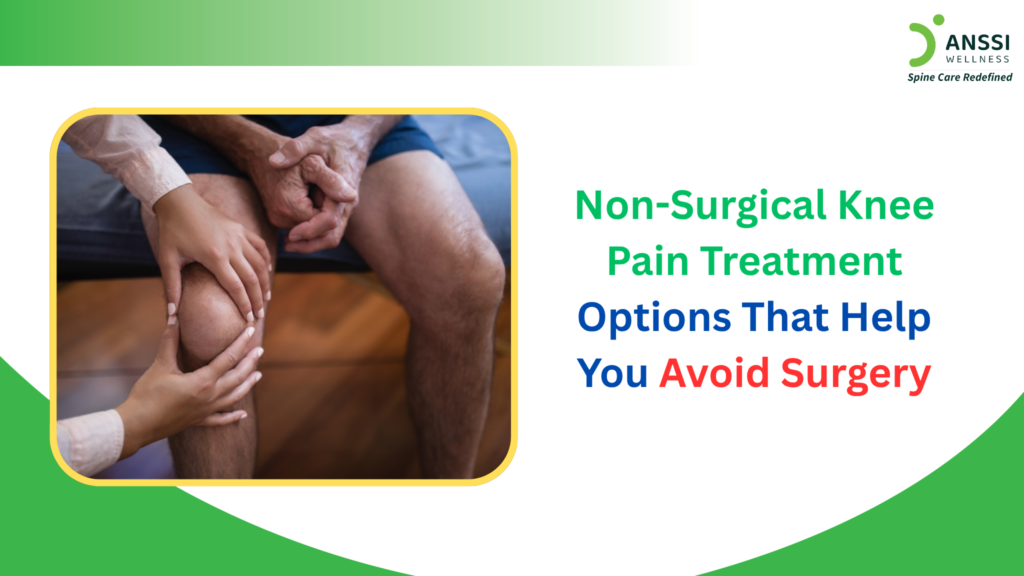
Knee pain is no longer just a problem associated with ageing. Today, people of all age groups, working professionals, athletes, and even young adults, are experiencing chronic knee pain. Whether it starts as mild discomfort or progresses into severe pain, it can significantly affect your ability to walk, climb stairs, or perform daily activities.
When the pain becomes persistent, many patients are advised to consider surgery. This often leads to fear and confusion. Fortunately, surgery is not always required. In many cases, non-surgical treatments can effectively address the root cause of knee pain and provide long-term relief.
Understanding Chronic Knee Pain
Chronic knee pain is defined as pain that persists for weeks or even months. It is usually not just a symptom but a sign of an underlying issue within the knee joint.
One of the most common causes is Osteoarthritis, a condition in which the cartilage that cushions the knee joint gradually wears down. As the cartilage deteriorates, the bones may begin to rub against each other, leading to pain, stiffness, and swelling.
Other causes of chronic knee pain include:
- Ligament injuries such as ACL or MCL tears
- Meniscus damage affecting joint cushioning
- Overuse or repetitive strain
- Obesity, which increases pressure on the knee joint
- Poor alignment or muscle imbalance
If left untreated, these conditions can worsen over time and reduce mobility.
Why Surgery is Not Always Necessary
Knee replacement or other surgical procedures are typically recommended in advanced stages of joint damage. However, not every patient with knee pain requires surgery.
Surgery comes with certain challenges, including:
- Long recovery periods
- High costs
- Risk of complications such as infection
- Need for post-surgical rehabilitation
For many patients, especially in the early to moderate stages of knee pain, non-surgical treatments can provide significant relief without these risks.
The key is to focus on early intervention and root-cause treatment.
Limitations of Temporary Treatments
Many people rely on painkillers or injections to manage knee pain. While these methods can reduce discomfort temporarily, they do not address the underlying cause.
Painkillers work by blocking pain signals and reducing inflammation, but they do not repair damaged cartilage or improve joint function. Similarly, injections may provide temporary relief but often need to be repeated.
Over time, relying on these treatments can lead to:
- Recurring pain
- Increased dependency on medication
- Potential side effects
This is why a more comprehensive, long-term approach is needed.
Effective Non-Surgical Treatment Options
Modern medicine offers several non-surgical treatments that focus on improving joint health, reducing pain, and restoring mobility.
Physiotherapy and Strengthening
Physiotherapy is one of the most effective ways to treat knee pain without surgery. A customised exercise program helps strengthen the muscles around the knee, including the quadriceps, hamstrings, and calf muscles.
Stronger muscles provide better support to the knee joint, reducing stress on damaged areas. Physiotherapy also improves flexibility, balance, and coordination, which are essential for preventing further injury.
In addition, patients are guided on proper movement techniques to reduce strain during daily activities.
Lifestyle Changes
Lifestyle plays a crucial role in managing knee pain. Small but consistent changes can significantly improve joint health.
Some important lifestyle modifications include:
- Maintaining a healthy weight to reduce pressure on the knees
- Taking part in low-impact activities like cycling, swimming, or walking
- Avoiding activities that strain the knees
- Wearing supportive footwear
- Taking breaks during prolonged standing or walking
These changes help reduce stress on the knee joint and support long-term recovery.
Knee Decompression Treatment
An advanced and increasingly popular non-surgical treatment is knee decompression treatment. This procedure focuses on reducing pressure within the knee joint.
In many cases, chronic knee pain is caused by excessive compression in the joint, which accelerates cartilage wear. Knee decompression treatment uses specialised equipment to gently create space within the joint.
This process helps:
- Reduce joint pressure
- Improve blood circulation
- Enhance nutrient supply to cartilage
- Reduce pain and stiffness
By addressing the mechanical stress within the joint, this treatment supports natural healing and long-term relief.
Regenerative Support Therapies
Regenerative therapies are designed to support the body’s natural healing processes. These treatments aim to repair damaged tissues and improve joint health.
While results may vary depending on the condition, regenerative approaches can complement physiotherapy and decompression treatment, offering a more holistic treatment plan.
About ANSSI:
ANSSI Wellness focuses on improving the quality of life for patients suffering from knee issues, aiming to provide relief where other conventional treatments have failed. Through Advanced Knee Rehabilitation Treatment, ANSSI is committed to helping patients avoid surgery and recover in a safe, effective, and compassionate environment.
Connect with ANSSI Wellness on LinkedIn, Instagram, and Facebook for expert guidance.