Neck pain is one of the most common spine-related complaints in today’s fast-paced, screen-driven world. From long hours at computers to excessive mobile phone use, modern lifestyles place constant strain on the cervical spine.
While neck pain may start as mild stiffness or discomfort, ignoring it can lead to chronic pain, reduced mobility, and nerve-related complications. Understanding its symptoms, causes, and diagnostic process is the first step toward finding effective, long-term relief.
Understanding Neck Pain
The neck, or cervical spine, supports the weight of the head and allows a wide range of movements. Due to its flexibility and constant use, it is highly susceptible to strain and injury.
Neck pain can affect people of all age groups, but it is especially common among office professionals, IT workers, students, and individuals who spend long hours looking at screens.
When left untreated, neck pain can gradually interfere with daily activities, sleep, and overall quality of life.
Common Symptoms of Neck Pain
Neck pain can present in several ways depending on the underlying cause.
- Common symptoms include stiffness in the neck, restricted movement, and a dull or sharp aching sensation.
- Many people experience pain that radiates to the shoulders, upper back, or arms.
- In more severe cases, neck pain may be accompanied by headaches, tingling or numbness in the arms or fingers, muscle weakness, and a heavy or fatigued feeling in the shoulders.
- Discomfort while sitting, working on a computer, driving, or even sleeping is often reported.
These symptoms may worsen with prolonged posture or sudden movements.
Possible Causes of Neck Pain
There are several reasons why neck pain develops.
- One of the most common causes is poor posture, particularly forward head posture, caused by prolonged mobile phone and computer use. This places excessive stress on the cervical spine and surrounding muscles.
- Other common causes include cervical disc bulge or slipped disc, where the spinal discs press on nearby nerves.
- Cervical spondylosis, an age-related degenerative condition, can also be the reason.
- Muscle strain due to overuse, lack of physical activity, weak neck muscles, stress, and improper sleeping positions can also contribute to neck pain.
- In some cases, injuries such as whiplash or spinal misalignment may trigger persistent discomfort.
Over time, untreated causes can lead to nerve compression and chronic symptoms.
When Neck Pain Becomes a Concern
Occasional neck discomfort may resolve with rest, but certain warning signs should not be ignored.
- Neck pain that lasts for weeks, increases in intensity, or repeatedly returns requires medical attention.
- Pain radiating to the arms, numbness, tingling, weakness, frequent headaches, or difficulty performing daily activities are signs that the condition may be nerve-related.
Early diagnosis and appropriate treatment can prevent progression and reduce the risk of long-term complications.
Diagnostic Tests to Identify the Cause
Accurate diagnosis is essential for effective neck pain treatment.
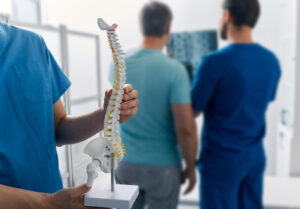
The process usually begins with a detailed clinical evaluation, including posture assessment, range of motion tests, and symptom analysis.
Imaging tests play a crucial role in identifying the root cause.
- X-rays help detect alignment issues, degenerative changes, or bone-related problems.
- MRI scans provide detailed images of spinal discs, nerves, and soft tissues, helping identify disc bulges, herniations, and nerve compression.
These diagnostic tools enable specialists to create a precise and personalised treatment plan.
Non-Surgical Spinal Decompression Treatment (NSSDT)
Non-Surgical Spinal Decompression Treatment (NSSDT) is an advanced, USA protocol-based spine treatment designed to relieve neck pain safely and effectively without surgery.
- The treatment uses a computer-controlled system to gently decompress the cervical spine.
- This controlled decompression reduces pressure within the spinal discs, allowing bulging or herniated discs to retract and relieve nerve compression.
- Improved blood circulation and nutrient flow promote natural healing of spinal tissues.
NSSDT is completely non-invasive, drug-free, and injection-free, making it suitable for patients seeking long-term relief without surgical risks. The treatment is comfortable, does not require hospitalisation, and allows patients to continue with their daily routines.
Why Choose ANSSI Wellness Vashi Clinic
When it comes to effective neck pain management, choosing the right spine care clinic is essential. ANSSI Wellness Vashi is recognised as one of the leading non-surgical spine treatment clinics in Navi Mumbai.
The Vashi clinic is equipped with advanced spinal decompression technology and follows globally accepted treatment protocols. Each patient undergoes a thorough evaluation, including MRI analysis, to determine the exact cause of neck pain. Based on this, a personalised treatment plan is designed to ensure safe and effective recovery.
Supported by experienced spine specialists, orthopaedic consultants, and trained physiotherapy professionals, ANSSI Wellness focuses on patient comfort, education, and long-term outcomes. Thousands of patients have benefited from their non-surgical approach to spine care.