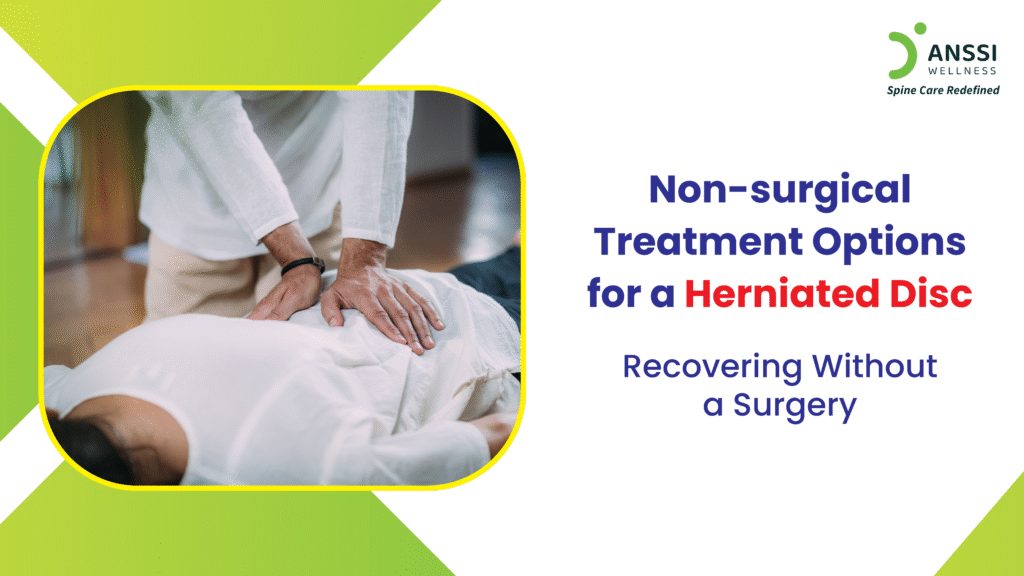
A herniated disc is one of the most common spine-related conditions affecting people of all ages, especially those with sedentary jobs, physically demanding work, or long-term posture issues. While many individuals believe that a disc herniation automatically requires surgery, a large percentage of patients can recover fully with the help of non-surgical treatments.
With the right combination of therapy, lifestyle correction, and timely medical guidance, long-lasting relief is absolutely possible, without going under the knife.
Understanding a Herniated Disc
The spine is made up of vertebrae separated by soft, cushion-like discs that act as shock absorbers. When the outer layer of a disc weakens or tears, the inner gel-like material can bulge out or leak. This condition is known as a herniated disc or slipped disc.
Depending on the location of the herniation, that is, cervical (neck), thoracic (mid-back), or lumbar (lower back), symptoms can vary.
The most common signs include:
- Sharp or dull back or neck pain
- Pain radiating into the legs (sciatica) or arms
- Numbness or tingling sensations
- Weakness in muscles
- Reduced flexibility or difficulty standing/walking
Disc herniation can occur due to ageing, sudden injuries, repetitive strain, long hours of sitting, or poor posture. However, the encouraging fact is that most herniated discs do not require surgery and respond very well to structured non-invasive treatment.
Non-Surgical Treatment Options for Herniated Disc
Non-surgical treatments focus on reducing inflammation, releasing pressure from the affected nerve, and strengthening the spine to prevent further injury.
1. Non-Surgical Spinal Decompression Treatment (NSSDT)
This advanced, science-backed treatment is one of the most effective non-invasive options for disc herniation. NSSDT uses a specialised decompression table that gently stretches the spine in a controlled manner.
This creates a negative pressure inside the disc, which:
- Reduces compression on spinal nerves
- Helps pull the herniated portion of the disc inward
- Improves nutrient and oxygen flow for healing
- Relieves chronic back and neck pain
Patients often experience significant relief after multiple sessions. NSSDT is safe, painless, and suitable for those who want to avoid surgery or long-term medications.
2. Physiotherapy and Targeted Exercises
Physiotherapy plays a crucial role in long-term recovery. A physiotherapist designs a personalised exercise routine focused on:
- Strengthening core and back muscles
- Improving spine stability
- Increasing flexibility
- Correcting movement patterns
- Reducing strain on the herniated disc
Common techniques include manual therapy, stretching routines, controlled strengthening, and mobilisation exercises. Consistency is key, as regular physiotherapy sessions can significantly improve the chances of full recovery.
3. Posture Correction and Ergonomic Adjustments
Many herniated disc cases develop or worsen due to poor posture, which includes slouching in a chair, bending incorrectly, or sitting for long hours. Correcting posture and improving ergonomics helps prevent further disc stress.
Recommendations include:
- Keeping the computer screen at eye level
- Using chairs with proper lumbar support
- Avoiding deep bending or twisting
- Taking short breaks every 45-60 minutes
- Maintaining neutral spine alignment during work and daily activities
A small adjustment in posture can make a major difference in pain levels and disc healing.
4. Medically Guided Pain Management
Although medication is not a long-term solution, it can help reduce pain and inflammation during the initial stages of treatment.
Doctors may suggest:
- Heat or cold therapy
- Short-term anti-inflammatory medication
- Muscle relaxants (if necessary)
These methods help reduce discomfort, making it easier for patients to participate in physiotherapy and other treatments.
5. Lifestyle Modifications
Long-term recovery requires lifestyle improvements that support a healthy spine. Important changes include:
- Maintaining a healthy body weight
- Avoiding heavy lifting and sudden jerks
- Incorporating daily stretching
- Staying active with low-impact exercises like walking or swimming
- Ensuring adequate hydration for disc health
Consistency in these habits helps prevent recurrence and supports overall spine wellness.
When Surgery Becomes Necessary
While most herniated disc cases improve without surgery, certain red flags require immediate medical attention.
Surgery may be recommended if:
- There is severe nerve compression.
- The patient experiences loss of bladder or bowel control.
- Pain becomes unbearable and does not improve with months of conservative care.
- There is progressive weakness or numbness.
These cases are rare but important to recognise. Early diagnosis helps prevent complications.
About ANSSI:
ANSSI Wellness focuses on improving the quality of life for patients suffering from spinal issues, aiming to provide relief where other conventional treatments have failed. Through advanced Non-Surgical Spinal Decompression Treatment, ANSSI is committed to helping patients avoid surgery and recover in a safe, effective, and compassionate environment.
Connect with ANSSI Wellness on LinkedIn, Instagram, and Facebook for expert guidance.