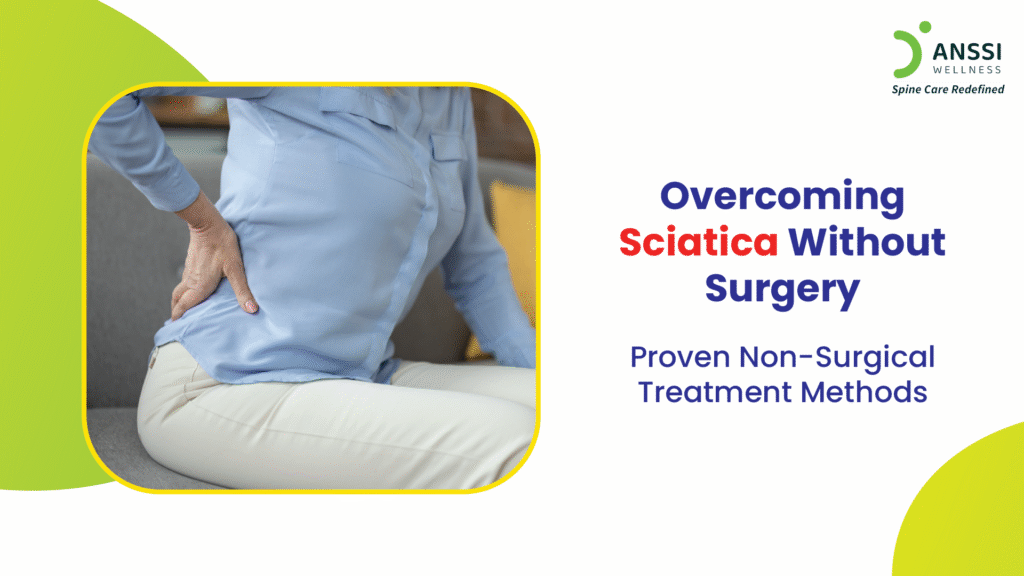
Sciatica is one of the most common and distressing spine-related conditions. It occurs when the sciatic nerve, which runs from the lower back down to the legs, becomes irritated or compressed. This condition doesn’t just cause back pain; it radiates to the buttocks, thighs, and sometimes even the feet. The pain can be sharp, shooting, or burning, making it difficult to sit, walk, or carry out simple daily activities.
Many people assume surgery is the only way to find relief, but the truth is that surgery often comes with risks and is not always necessary. Today, advancements in non-surgical care have provided safer, effective alternatives that not only reduce pain but also address the root cause.
Understanding Sciatica
Sciatica is not a disease but a symptom of an underlying spine issue. Some of the most common causes include:
- Herniated Disc or Disc Bulge: When a spinal disc presses against the sciatic nerve.
- Spinal Stenosis: Narrowing of the spinal canal that compresses the nerve roots.
- Degenerative Disc Disease: Age-related wear and tear leading to nerve irritation.
- Muscle Imbalances: Tight or weak muscles putting pressure on the lower spine.
Symptoms of Sciatica
Radiating leg pain that worsens with sitting or bending.
- Tingling or numbness in the legs or feet.
- Weakness in one leg.
- Difficulty standing for long periods.
Identifying sciatica early is crucial. Ignoring symptoms may lead to chronic pain or nerve damage.
Why Surgery Isn’t Always the Answer
Surgery is sometimes recommended in severe cases, but it comes with limitations. Patients often undergo invasive procedures such as discectomy or laminectomy to relieve pressure on the nerve.
However:
- Risks are significant: Infections, nerve damage, or complications from anesthesia.
- Long recovery time: Weeks or months before normal activities resume.
- No guarantee of permanent relief: In some cases, pain returns (known as Failed Back Surgery Syndrome).
- High costs: Making it unaffordable for many patients.
Because of these drawbacks, more patients are now exploring effective non-surgical treatment options.
Proven Non-Surgical Treatment Methods
1. Physiotherapy and Targeted Exercises
Structured physiotherapy helps strengthen the muscles around the spine, improve flexibility, and reduce nerve compression. Stretching and core stabilisation exercises relieve pressure on the sciatic nerve and enhance mobility. A physiotherapist tailors the plan based on each patient’s condition.
2. Lifestyle Modifications
Small changes in daily habits can make a huge difference in sciatica recovery:
- Posture correction: Sitting with proper back support reduces strain.
- Ergonomic adjustments: Using the right chair, desk, and mattress.
- Weight management: Extra body weight puts pressure on spinal discs.
- Regular movement: Avoiding prolonged sitting or standing.
3. Medications and Injections
In some cases, doctors may prescribe anti-inflammatory drugs, muscle relaxants, or corticosteroid injections to reduce pain and inflammation. These provide temporary relief but should always be combined with long-term solutions like physiotherapy or decompression.
4. Non-Surgical Spinal Decompression Treatment
One of the most advanced and effective non-surgical methods is non-surgical spinal decompression treatment. This USA protocol-based treatment gently stretches the spine, creating space for herniated or bulging discs to retract. It relieves pressure on the sciatic nerve, restores hydration to the disc, and promotes natural healing. Spinal decompression is painless, non-invasive, and has no downtime. Patients can return to their normal activities right after the session.
5. Alternative Therapies
Complementary approaches like yoga, acupuncture, and heat/cold therapy can help reduce stiffness, improve circulation, and manage pain naturally. While they may not cure the underlying issue, they work well alongside structured medical treatments.
About ANSSI:
ANSSI Wellness focuses on improving the quality of life for patients suffering from spinal issues, aiming to provide relief where other conventional treatments have failed. Through advanced Non-Surgical Spinal Decompression Treatment, ANSSI is committed to helping patients avoid surgery and recover in a safe, effective, and compassionate environment.
Connect with ANSSI Wellness on LinkedIn, Instagram, and Facebook for expert guidance.