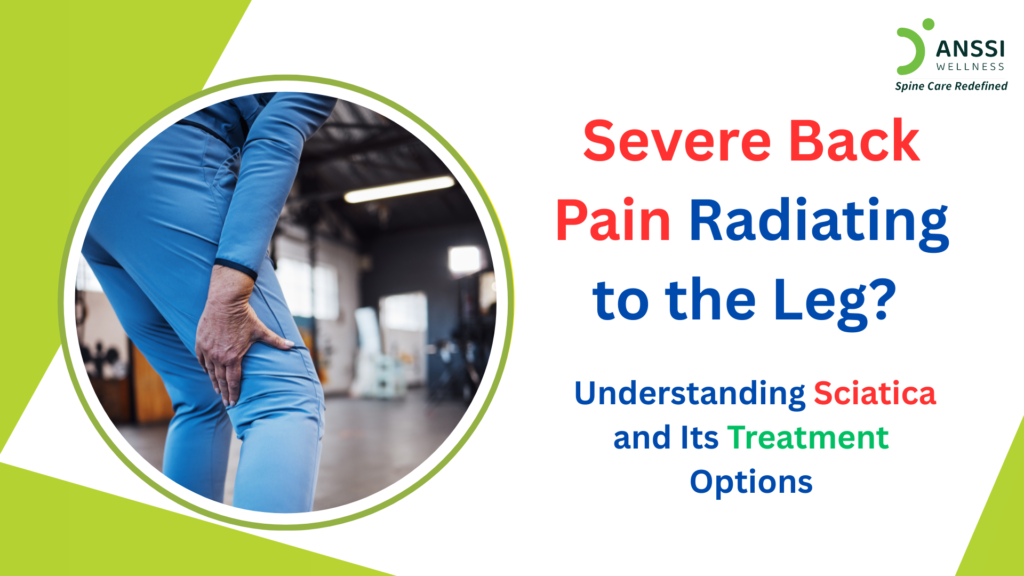
Experiencing severe back pain that travels down your leg can be alarming and disruptive to your daily life. Many people initially dismiss it as a muscle strain or general fatigue. However, this type of pain could be a sign of sciatica, a common yet often misunderstood condition.
If left untreated, sciatica can worsen over time and significantly impact mobility. Understanding its causes, symptoms, and available treatment options, especially non-surgical ones, is key to achieving long-term relief.
What is Sciatica?
Sciatica is not a condition in itself but a symptom of an underlying problem affecting the sciatic nerve, the longest nerve in the human body. This nerve runs from the lower back, through the hips and buttocks, and down each leg.
Sciatica occurs when this nerve is compressed or irritated. The most common causes include:
- Slipped disc (herniated or bulging disc)
- Spinal stenosis (narrowing of the spinal canal)
- Degenerative disc disease
- Poor posture or prolonged sitting
When the sciatic nerve is affected, it leads to pain that radiates along its path, often affecting only one side of the body.
Symptoms of Sciatica
Sciatica presents with a range of symptoms that can vary in intensity. The most common signs include:
- Radiating Pain: A sharp or shooting pain that starts in the lower back and travels down the buttock and leg
- Tingling or Numbness: A “pins and needles” sensation in the leg or foot
- Burning Sensation: Some individuals experience a burning type of pain along the nerve path
- Muscle Weakness: Weakness in the affected leg can make walking or standing difficult
- Pain Aggravation: Symptoms often worsen while sitting for long periods, bending, or sudden movements
These symptoms can range from mild discomfort to severe, debilitating pain that interferes with daily activities.
Risk Factors and Causes
Several lifestyle and physical factors increase the risk of developing sciatica:
1. Sedentary Lifestyle
Long hours of sitting, especially with poor posture, can put pressure on the lower back and contribute to nerve compression.
2. Improper Lifting Techniques
Lifting heavy objects incorrectly can strain the spine and lead to disc-related issues.
3. Age-Related Changes
As we age, natural wear and tear in the spine can increase the likelihood of conditions like disc degeneration or spinal stenosis.
4. Obesity and Lack of Exercise
The spine is further stressed by excess body weight, and it is not adequately supported by weak core muscles.
Understanding these risk factors can help in the prevention and management of sciatica.
Non-Surgical Treatment Options for Sciatica
The good news is that most cases of sciatica can be effectively treated without surgery. Non-surgical approaches focus on relieving pressure on the nerve and promoting natural healing.
1. Physiotherapy and Targeted Exercises
A structured physiotherapy program can help strengthen the muscles supporting the spine, improve flexibility, and reduce nerve compression. Specific exercises are designed to relieve pressure on the sciatic nerve and improve posture.
2. Posture Correction and Lifestyle Changes
Maintaining proper posture while sitting, standing, and lifting is essential. Ergonomic adjustments at work and home can significantly reduce strain on the spine.
3. Pain Management Without Dependency
While short-term use of medication may be necessary in some cases, relying on it long-term is not ideal. Applying heat and cold therapy can be useful in such cases.
4. Advanced Non-Surgical Treatments
One of the most effective modern approaches is non-surgical spinal decompression treatment. This advanced treatment works by gently stretching the spine in a controlled manner, creating space between the vertebrae. This reduces pressure on the sciatic nerve and allows the affected disc to heal naturally.
Non-surgical spinal decompression treatment is used to treat conditions like slipped discs and sciatica without the need for surgery, injections, or long-term medication.
Benefits of Non-Surgical Treatment
Choosing non-surgical treatment options offers several advantages:
- Non-invasive and safe
- No hospitalisation or downtime
- Focus on treating the root cause
- Long-term relief rather than temporary fixes
- Reduced risk of complications compared to surgery
These treatments aim to restore spinal health and improve overall quality of life.
When Should You Seek Professional Help?
If your pain persists for more than a few weeks, worsens over time, or is accompanied by numbness or weakness, it is important to seek medical attention. The illness can be prevented from getting worse with early diagnosis and treatment.
Today, patients can receive personalised care plans tailored to their specific condition. By addressing the root cause, the treatment ensures effective and lasting relief.
About ANSSI:
ANSSI Wellness focuses on improving the quality of life for patients suffering from spinal issues, aiming to provide relief where other conventional treatments have failed. Through advanced Non-Surgical Spinal Decompression Treatment, ANSSI is committed to helping patients avoid surgery and recover in a safe, effective, and compassionate environment.
Connect with ANSSI Wellness on LinkedIn, Instagram, and Facebook for expert guidance.