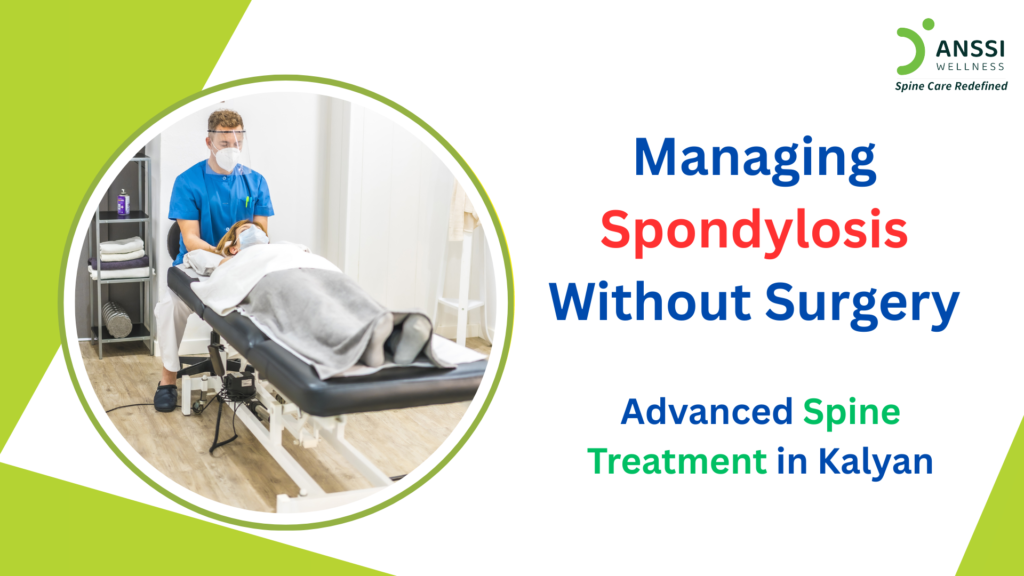
Spondylosis is one of the most common degenerative spine conditions, particularly affecting adults as they age. It refers to the gradual wear and tear of the spinal discs, joints, and bones, most commonly seen in the cervical (neck) and lumbar (lower back) regions. While ageing plays a major role, modern lifestyle habits such as prolonged sitting, poor posture, lack of physical activity, and excessive screen time have contributed to a rising number of younger individuals experiencing spondylosis-related symptoms.
Although the condition can feel overwhelming, effective non-surgical solutions are available that help manage symptoms and restore quality of life.
Understanding Spondylosis and Its Symptoms
Spondylosis develops slowly over time as spinal structures lose flexibility and cushioning. As discs dehydrate and joints degenerate, stiffness and discomfort begin to appear.
Common symptoms include persistent neck or back pain, restricted movement, and stiffness that worsens after rest. In some cases, nerve compression may occur, leading to radiating pain, tingling, numbness, or weakness in the arms or legs.
These symptoms can interfere with daily tasks, disrupt sleep, reduce work efficiency, and limit participation in social or recreational activities, making early management essential.
The Role of Advanced Non-Surgical Treatments
While basic measures help manage mild symptoms, individuals with moderate to severe spondylosis often require more advanced care. This is where Non-Surgical Spinal Decompression Treatment (NSSDT) becomes a valuable option. NSSDT is an advanced, non-invasive therapy designed to gently relieve pressure on compressed spinal discs and nerves.
- Using a specialised decompression table, controlled decompression is applied to the spine, creating negative pressure within the discs.
- This process helps improve blood flow, promote rehydration of degenerated discs, and reduce nerve compression.
- Unlike surgery, NSSDT is drug-free, painless, and does not require hospitalisation or recovery downtime.
- It addresses the root cause of pain rather than merely masking symptoms, making it suitable for individuals seeking long-term relief.
Benefits of Non-Surgical Spinal Decompression Treatment
One of the biggest advantages of NSSDT is its ability to support natural healing. By reducing mechanical stress on the spine, the treatment allows the body to repair damaged tissues more effectively. Many patients experience reduced pain, improved mobility, and enhanced spinal function over the course of treatment.
Because it is personalised based on the patient’s condition and diagnostic findings, NSSDT offers a safe and effective alternative for those who wish to avoid surgery or long-term medication use.
Why ANSSI Wellness Kalyan Is the Right Choice
For individuals seeking effective non-surgical care for spondylosis, ANSSI Wellness’s Kalyan clinic stands out as a trusted destination. The clinic is equipped with advanced Non-Surgical Spinal Decompression technology and supported by experienced physiotherapists who specialise in spine care. Each patient undergoes a thorough evaluation, including medical history and diagnostic reports, to create a personalised treatment plan tailored to their specific condition.
The clinic’s patient-centric approach focuses on long-term relief, improved functionality, and overall well-being rather than short-term symptom control.
Non-Surgical Strategies to Support Your Recovery
At ANSSI Wellness Kalyan, treatment is not limited to decompression alone. Patients receive comprehensive guidance on physiotherapy, posture correction, and lifestyle modifications to ensure sustainable results.
- Physiotherapy plays a vital role in improving spinal flexibility, strengthening surrounding muscles, and enhancing posture. Targeted exercises help stabilise the spine, reduce strain on affected areas, and improve overall mobility.
- Posture correction is equally important, especially for office professionals and individuals who spend long hours sitting. Ergonomic chairs, correct monitor height, lumbar support, and frequent movement breaks can significantly reduce spinal stress.
- Incorporating low-impact activities such as walking, swimming, or yoga helps maintain joint health without overloading the spine.
- Lifestyle changes also contribute to long-term relief. Maintaining a healthy body weight reduces pressure on spinal structures, while stress management techniques such as breathing exercises and meditation help prevent muscle tension.
- Heat and ice therapy, when used appropriately, can further ease stiffness and inflammation, offering additional comfort during flare-ups.
Living Better with Spondylosis
Spondylosis does not have to define your daily life or limit your independence. With timely intervention, the right combination of physiotherapy, lifestyle changes, and advanced non-surgical treatments like Non-Surgical Spinal Decompression Treatment, long-lasting relief is achievable. Seeking expert care at a specialised centre such as ANSSI Wellness Kalyan can make a meaningful difference in managing symptoms and restoring mobility.