
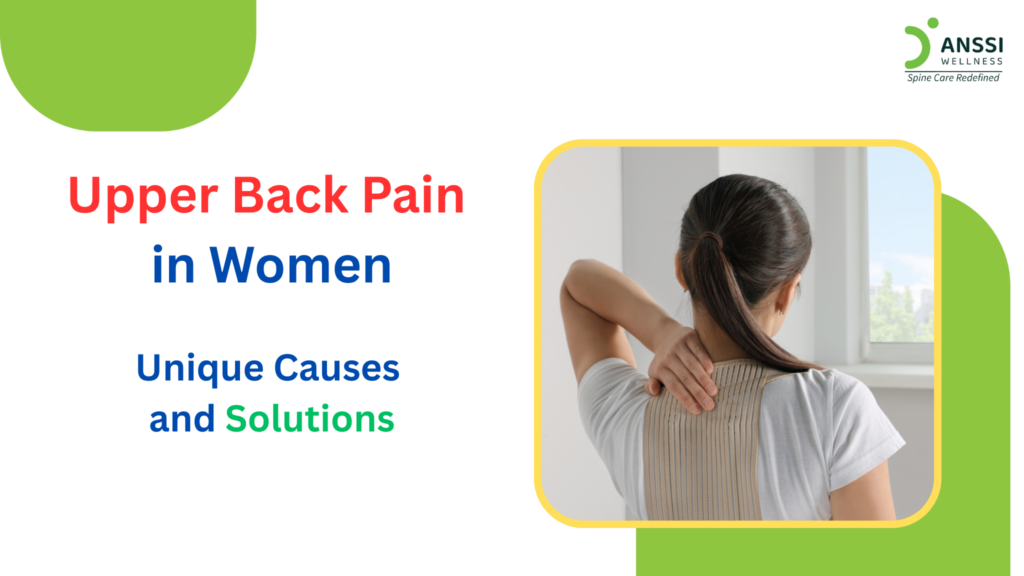
Upper back pain is a common problem that affects many women at different stages of life. While upper back discomfort can affect anyone, women often experience it due to a combination of hormonal changes, lifestyle habits, and postural factors.
The upper back, also known as the thoracic spine, plays an important role in supporting the shoulders, neck, and rib cage. When this area is under continuous strain, it can lead to pain, stiffness, and reduced mobility.
Understanding the unique causes of upper back pain in women is important for identifying the right solutions and preventing long-term spinal problems.
Common Symptoms of Upper Back Pain in Women
Upper back pain may begin as mild discomfort but can gradually worsen if not addressed. Many women experience symptoms that interfere with daily activities, work, and overall comfort.
Common symptoms include:
- Persistent aching or stiffness in the upper back region
- Muscle tightness between the shoulder blades
- Pain that worsens after sitting for long hours
- Shoulder stiffness or difficulty moving the arms freely
- Headaches associated with neck and upper back tension
- Burning or sharp pain around the shoulder blades
Some women may also experience fatigue in the upper back muscles, especially after working on computers, using smartphones for extended periods, or performing repetitive activities.
Hormonal Factors That Contribute to Upper Back Pain
Hormonal changes play a significant role in women’s musculoskeletal health. Fluctuations in hormones such as estrogen and progesterone can affect muscles, ligaments, and joints, making them more sensitive to strain.
During the menstrual cycle, hormonal changes can cause muscle tenderness and increased sensitivity to pain. Some women experience back discomfort before or during their menstrual period due to muscle tension and inflammation.
Pregnancy is another stage when women commonly experience upper back pain. As the body changes to support the growing baby, posture shifts, and extra pressure is placed on the spine. The increase in breast size during pregnancy can also place additional strain on the upper back and shoulders.
Menopause can also influence spinal health. Reduced estrogen levels can affect bone density and muscle strength, increasing the likelihood of stiffness and back discomfort.
Postural Causes of Upper Back Pain
Poor posture is one of the most common reasons for upper back pain in modern lifestyles. Many women spend long hours working on computers, looking down at smartphones, or sitting at desks without proper support.
When the shoulders round forward and the head leans ahead of the body, it creates excessive strain on the upper spine and surrounding muscles. This condition is often referred to as “tech neck” or forward head posture.
Over time, poor posture can cause:
- Muscle imbalances
- Tightness in the chest and shoulders
- Weakness in the upper back muscles
- Increased stress on spinal joints
These issues can gradually lead to chronic upper back pain if corrective measures are not taken.
Lifestyle Factors Affecting Women’s Spinal Health
Several everyday habits can contribute to upper back pain in women.
A sedentary lifestyle is one of the biggest contributors. Sitting for long periods reduces muscle activity and places constant pressure on the spine. Without regular movement, the muscles that support the spine can become weak and stiff.
Stress is another factor that often affects the upper back. Emotional stress can cause muscles to tighten, especially in the shoulders and neck region. Many women unknowingly hold tension in these areas, leading to discomfort and pain.
Carrying heavy handbags on one shoulder can also disturb spinal balance. When the weight is consistently placed on one side, it can strain the shoulder muscles and create uneven pressure on the upper back.
In addition, poor sleeping positions, lack of physical activity, and inadequate stretching can all contribute to spinal discomfort.
Effective Solutions and Preventive Measures
The good news is that upper back pain can often be prevented and managed with simple lifestyle changes and proper spinal care.
One of the most important steps is improving posture. Maintaining a neutral spine position while sitting and standing can significantly reduce strain on the upper back. When working at a desk, ensure that the screen is at eye level, shoulders are relaxed, and the back is supported by the chair.
Regular stretching and strengthening exercises can also help maintain spinal health. Exercises that target the upper back, shoulders, and core muscles can improve posture and reduce muscle tension.
Some helpful exercises include:
- Shoulder blade squeezes
- Chest stretches
- Upper back strengthening movements
- Gentle neck mobility exercises
Taking regular movement breaks during work is also important. Standing up, stretching, or walking for a few minutes every hour can reduce muscle stiffness and improve circulation.
Stress management techniques such as yoga, deep breathing, and relaxation exercises can also help release tension stored in the upper back muscles.
Another simple but effective habit is distributing weight evenly when carrying bags. Using backpacks or switching sides regularly can help prevent uneven strain on the spine.
About ANSSI:
ANSSI Wellness focuses on improving the quality of life for patients suffering from spinal issues, aiming to provide relief where other conventional treatments have failed. Through advanced Non-Surgical Spinal Decompression Treatment, ANSSI is committed to helping patients avoid surgery and recover in a safe, effective, and compassionate environment.
Connect with ANSSI Wellness on LinkedIn, Instagram, and Facebook for expert guidance.