
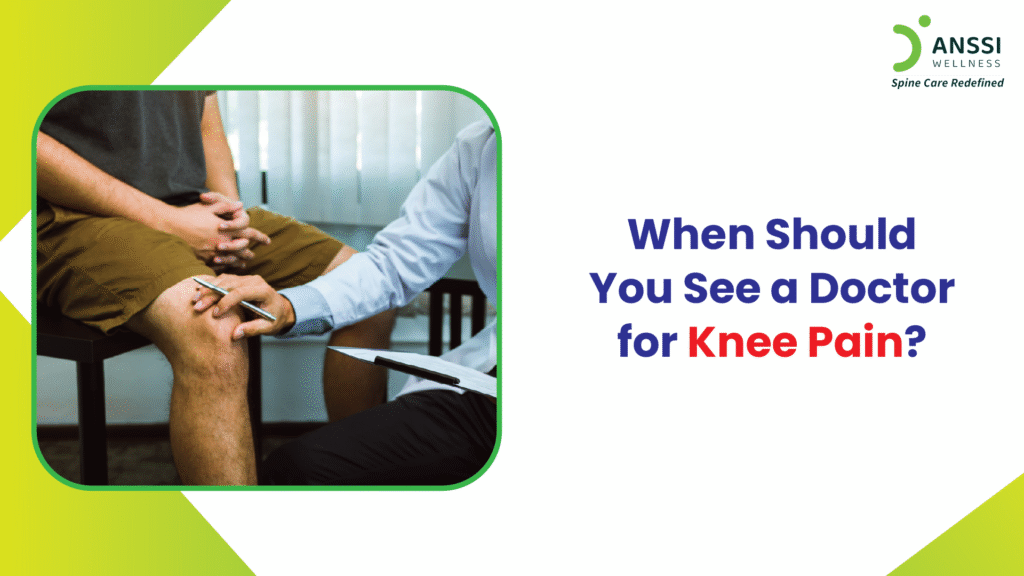
Knee pain is one of the most common complaints across all age groups. Whether you are an athlete, a homemaker, or someone who spends hours at a desk job, your knees are under constant pressure. While occasional soreness or mild discomfort may not be a cause for alarm, ignoring persistent or severe knee pain can lead to bigger problems.
Knowing when to consult a doctor is the key to protecting your mobility and preventing long-term damage.
Common Causes of Knee Pain
Knee pain can occur due to many reasons, ranging from minor injuries to chronic joint conditions.
- Minor injuries: Sprains, muscle strains, and overuse during exercise or daily activities can cause temporary pain.
- Chronic conditions: Arthritis, osteoarthritis, and other degenerative diseases can gradually damage the joint.
- Structural injuries: Meniscus tears, ligament injuries (ACL, MCL), or cartilage wear and tear can create ongoing problems.
Often, knee pain improves with rest, ice, and simple home remedies. But if the pain persists or worsens, it’s time to seek professional help.
Warning Signs You Shouldn’t Ignore
Here are some clear red flags that indicate that it’s time to visit a doctor:
1. Severe or Sudden Pain
If you experience sharp or intense pain after a fall, accident, or sudden twist, it could signal a serious ligament or bone injury.
2. Persistent Swelling or Stiffness
Swelling that doesn’t subside in a few days may indicate internal joint damage, fluid buildup, or arthritis.
3. Difficulty Bearing Weight
If you cannot stand or walk without limping, it’s a sign that the joint isn’t stable and needs medical attention.
4. Instability
A knee that feels wobbly or unstable may suggest ligament injuries that require diagnosis and treatment.
5. Visible Deformity
If your knee looks out of shape or misaligned, it could be due to fractures or dislocations.
6. Redness, Warmth, or Fever
These symptoms may point to an infection in the joint, which needs immediate treatment.
7. Chronic Pain
Any pain that lingers for weeks or months, despite home care, indicates an underlying issue that should be properly evaluated.
8. Grinding, Popping, or Locking Sensations
If your knee locks up, makes grinding noises, or feels like there is an obstruction inside it, it could mean cartilage or meniscus damage.
Why Timely Diagnosis Matters
Many people ignore knee pain until it becomes unbearable. However, postponing medical evaluation can make conditions worse. For example, untreated ligament tears may lead to arthritis, and prolonged cartilage damage may result in the need for joint replacement.
Getting an early diagnosis offers several benefits:
- Prevents worsening of damage.
- Allows for effective non-surgical treatments.
- Reduces recovery time.
- Helps avoid permanent mobility issues.
Non-Surgical Treatment Options
The good news is that not all knee pain requires surgery. Many conditions can be treated with non-invasive methods, such as:
- Physiotherapy: Targeted exercises to strengthen supporting muscles and improve joint function
- Lifestyle modifications: Weight management, posture correction, and low-impact activities like swimming or cycling
- Non-surgical knee decompression treatment: To relieve pressure on the knees and encourage healing
- Supportive therapies: Heat therapy, cold packs, and braces to aid recovery and reduce discomfort
When to Take Action
If your knee pain is mild and improves with rest, ice, and self-care, you may not need immediate medical help. But if you notice any of the warning signs we discussed today, it’s best to consult a doctor without delay. Early intervention can save you from complications and help you return to an active, pain-free lifestyle.
About ANSSI:
ANSSI Wellness focuses on improving the quality of life for patients suffering from spinal issues, aiming to provide relief where other conventional treatments have failed. Through advanced Non-Surgical Knee Decompression Treatment, ANSSI is committed to helping patients avoid surgery and recover in a safe, effective, and compassionate environment.
Connect with ANSSI Wellness on LinkedIn, Instagram, and Facebook for expert guidance.