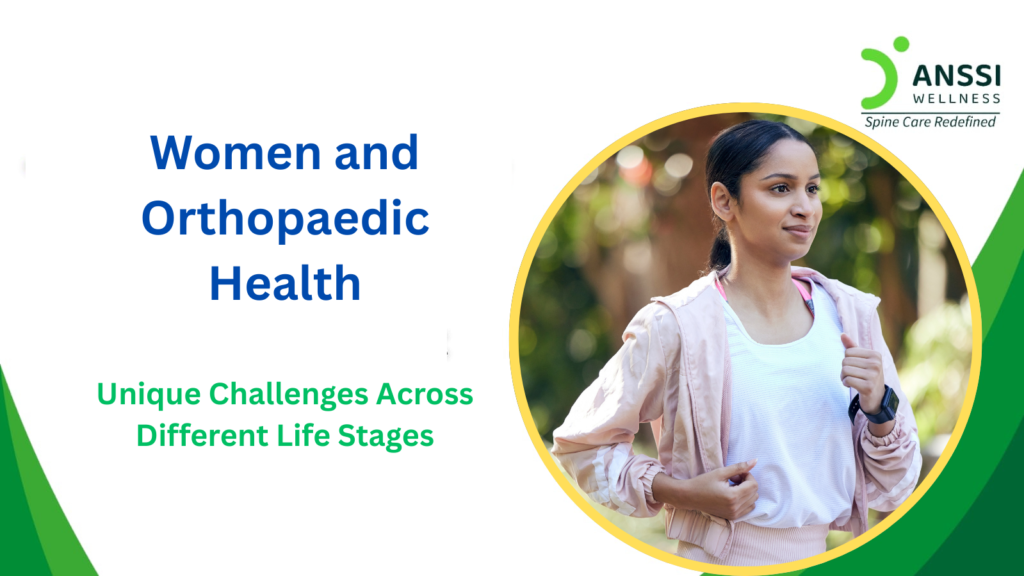
Women’s bodies go through several physical and hormonal transitions throughout life. From adolescence to pregnancy and menopause, each stage brings changes that can influence bone strength, joint stability, muscle balance, and spinal health. These changes make women more vulnerable to certain orthopaedic conditions compared to men.
Understanding how different life stages affect musculoskeletal health can help women take proactive steps to protect their bones, joints, and spine. With proper care, exercise, and early medical guidance, women can maintain mobility and reduce the risk of long-term orthopaedic problems.
Orthopaedic Changes During Puberty
Puberty is one of the earliest phases when significant physical changes begin to affect the musculoskeletal system. During adolescence, bones grow rapidly, muscles develop, and the body undergoes hormonal changes that influence posture and coordination.
During this growth period, girls may experience temporary imbalances between bone growth and muscle flexibility. As bones grow quickly, muscles and tendons may become tight, which can sometimes lead to discomfort or minor injuries.
Participation in sports and physical activities also increases during this stage. While exercise is essential for building strong bones, it can sometimes increase the risk of joint injuries, particularly in the knees and ankles. For example, teenage girls may be more susceptible to certain ligament injuries due to differences in body mechanics and muscle strength.
Developing healthy habits early in life is important for preventing orthopaedic issues later.
- Proper nutrition rich in calcium and vitamin D supports bone growth.
- Regular physical activity helps strengthen muscles and improve posture.
- Encouraging good posture during school and screen time can also protect the developing spine.
Pregnancy and Musculoskeletal Changes
Pregnancy places unique demands on a woman’s body. As the baby grows, the body undergoes several physical adjustments to support the pregnancy. These changes often affect the spine, pelvis, and joints.
One of the most noticeable changes during pregnancy is weight gain and the shift in the body’s centre of gravity. As the abdomen expands, many women develop an increased curve in the lower back. This postural shift can place additional pressure on the spine and lead to lower back pain.
Hormonal changes during pregnancy also affect joint stability. The body produces a hormone called relaxin, which helps loosen ligaments and joints in preparation for childbirth. While this is necessary for delivery, it can also make joints more vulnerable to strain or discomfort.
Common musculoskeletal issues during pregnancy include lower back pain, pelvic pain, leg cramps, and shoulder discomfort. Carrying extra weight and changes in posture can increase muscle fatigue and stress on the joints.
Prenatal physiotherapy and gentle exercise can help manage these issues.
- Strengthening core muscles, practising safe stretching, and learning proper body mechanics can reduce strain on the spine and improve overall comfort.
- Simple habits such as maintaining good posture and avoiding heavy lifting can also support spinal health during pregnancy.
Menopause and Bone Health
Menopause marks another significant stage in women’s orthopaedic health. During this phase, hormone levels, especially estrogen, decline. Estrogen plays an important role in maintaining bone density, and its reduction can lead to gradual bone loss.
This decrease in bone density increases the risk of osteoporosis, a condition in which bones become weak and more prone to fractures. Women are more likely than men to develop osteoporosis, particularly after menopause.
In addition to bone loss, some women experience joint stiffness, muscle weakness, and reduced flexibility during this stage. These changes can affect mobility and increase the risk of falls or injuries.
Maintaining bone health during menopause requires a combination of lifestyle strategies.
- Regular weight-bearing exercises, such as walking, resistance training, and light strength exercises, help stimulate bone growth and improve muscle strength.
- Nutrition is also essential. A diet rich in calcium, vitamin D, and other essential nutrients supports bone density.
- Regular medical check-ups and bone density screenings can help detect early signs of bone loss and allow for timely intervention.
Orthopaedic Concerns With Ageing
As women age, natural wear and tear affects the joints, muscles, and spinal discs. Degenerative conditions such as osteoarthritis, spinal disc degeneration, and reduced joint flexibility become more common.
Cartilage, which cushions the joints, gradually wears down over time. This can lead to joint pain, stiffness, and reduced range of motion, especially in weight-bearing joints like the knees and hips.
The spine may also experience age-related changes. Spinal discs may lose hydration and elasticity, which can lead to back pain, reduced flexibility, or nerve compression in some cases.
Mobility challenges may increase as muscles weaken and balance decreases. These changes can raise the risk of falls, which may result in fractures, particularly in individuals with reduced bone density.
Despite these challenges, maintaining an active lifestyle can greatly support orthopaedic health in later years.
- Regular exercise helps preserve muscle strength, improve balance, and protect joint mobility.
- Activities such as walking, yoga, and low-impact strength training are particularly beneficial.
- Physiotherapy can also help manage pain, improve posture, and support mobility for older women dealing with joint or spinal issues.
About ANSSI:
ANSSI Wellness focuses on improving the quality of life for patients suffering from spinal issues, aiming to provide relief where other conventional treatments have failed. Through advanced Non-Surgical Spinal Decompression Treatment, ANSSI is committed to helping patients avoid surgery and recover in a safe, effective, and compassionate environment.
Connect with ANSSI Wellness on LinkedIn, Instagram, and Facebook for expert guidance.