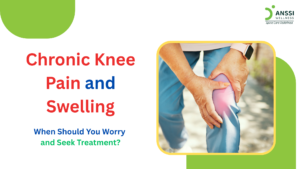
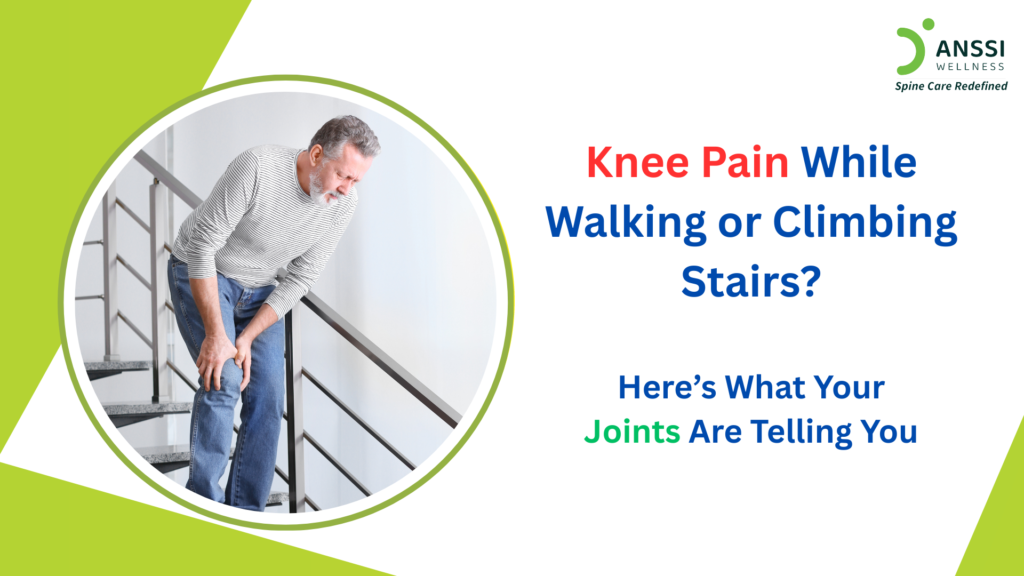
Many middle-aged and elderly individuals experience knee pain during simple everyday activities such as walking, climbing stairs, or standing for long periods. What begins as mild discomfort may gradually develop into persistent pain that affects mobility and daily life. These symptoms are often the body’s way of signalling that the knee joint may be under stress or developing an underlying problem.
Ignoring knee pain can allow the condition to worsen over time. Understanding what causes this pain and recognising early warning signs can help you seek the right treatment and protect your joint health.
Why Knee Pain Occurs During Movement
The knee joint is one of the most important weight-bearing joints in the body. It supports the body’s weight while allowing movements such as bending, walking, running, and climbing stairs. Because of its role in daily mobility, the knee is constantly under mechanical stress.
During activities like climbing stairs or walking uphill, the pressure on the knee joint can increase several times beyond normal body weight. When the joint structures are healthy, the cartilage, ligaments, and surrounding muscles absorb this stress effectively.
However, as people age, the cartilage that cushions the knee joint may gradually wear down. This cartilage acts as a protective layer between the bones of the knee. When it becomes thinner, the bones may begin to rub against each other, causing pain, stiffness, and inflammation.
Another factor is reduced joint lubrication. The knee joint contains synovial fluid, which helps reduce friction during movement. Ageing, inactivity, or joint damage can affect this lubrication, making movements such as climbing stairs uncomfortable or painful.
Common Causes of Activity-Related Knee Pain
Several conditions can lead to knee pain that worsens during physical activity.
- One of the most common causes is osteoarthritis, a degenerative joint condition that becomes more common with age. In osteoarthritis, the cartilage in the knee gradually breaks down, leading to pain, swelling, and stiffness. Activities such as walking or climbing stairs can become particularly difficult because they place additional stress on the joint.
- Weak muscles around the knee can also contribute to pain. The muscles of the thighs and hips play an important role in stabilising the knee joint. When these muscles are weak, the knee may not receive adequate support, causing increased strain on the joint structures.
- Ligament strain or minor injuries from repetitive movements can also lead to activity-related knee pain. Even small injuries that occur over time can cause inflammation and discomfort.
- In some cases, knee pain may result from joint misalignment. If the knee joint is not properly aligned, the body’s weight may not be distributed evenly across the joint. This uneven pressure can cause certain parts of the knee to wear out faster, leading to pain during movement.
- Previous injuries such as ligament tears, fractures, or cartilage damage may also increase the likelihood of knee pain later in life.
Symptoms That Should Not Be Ignored
Knee pain can present itself in different ways depending on the underlying cause. Some symptoms may appear gradually, while others may occur suddenly.
- Pain while climbing or descending stairs is one of the most common warning signs of knee problems. This is because stair climbing places extra pressure on the knee joint.
- Many individuals also experience stiffness after sitting for long periods. When the knee remains in one position for too long, the joint may feel tight or difficult to move initially.
- Swelling or tenderness around the knee is another symptom that should not be ignored.
- Inflammation in the joint may indicate underlying irritation or damage.
- Some people notice clicking, grinding, or locking sensations in the knee during movement. These sensations may occur when the cartilage becomes rough or when joint structures do not move smoothly.
If these symptoms persist or worsen over time, it is important to seek professional medical evaluation to prevent further joint damage.
Effective Ways to Manage Knee Pain
Managing knee pain effectively requires identifying the underlying cause and choosing treatments that support joint healing and stability.
One of the first steps in managing knee pain is obtaining an accurate diagnosis. Healthcare professionals may evaluate the joint through physical examination and imaging tests to determine the exact cause of the pain.
Physiotherapy
Physiotherapy plays a crucial role in strengthening the muscles that support the knee. Targeted exercises can improve joint stability, increase flexibility, and reduce stress on the knee during daily activities.
Lifestyle Changes
Lifestyle changes can also make a significant difference. Maintaining a healthy body weight helps reduce the load placed on the knee joints.
Low-impact Exercises
Low-impact exercises such as walking on flat surfaces, swimming, or cycling can help maintain joint mobility without causing excessive strain.
Advanced Knee Decompression Treatment
In addition to physiotherapy and lifestyle adjustments, advanced non-surgical treatments are now available for individuals experiencing chronic knee pain. One such option is Advanced Knee Decompression Treatment.
- This modern procedure gently creates space within the knee joint using specialised equipment.
- By reducing pressure between the bones of the knee, the treatment helps improve circulation and allows the joint tissues to heal naturally.
- It can also help reduce inflammation and improve joint function over time.
For individuals suffering from knee pain due to osteoarthritis or joint compression, Advanced Knee Decompression Treatment can provide long-term relief without the need for surgery.
Early treatment and proper joint care can help you maintain mobility and prevent the condition from worsening.
About ANSSI:
ANSSI Wellness focuses on improving the quality of life for patients suffering from knee pain issues, aiming to provide relief where other conventional treatments have failed. Through Advanced Knee Rehabilitation Treatment, ANSSI is committed to helping patients avoid surgery and recover in a safe, effective, and compassionate environment.
Connect with ANSSI Wellness on LinkedIn, Instagram, and Facebook for expert guidance.