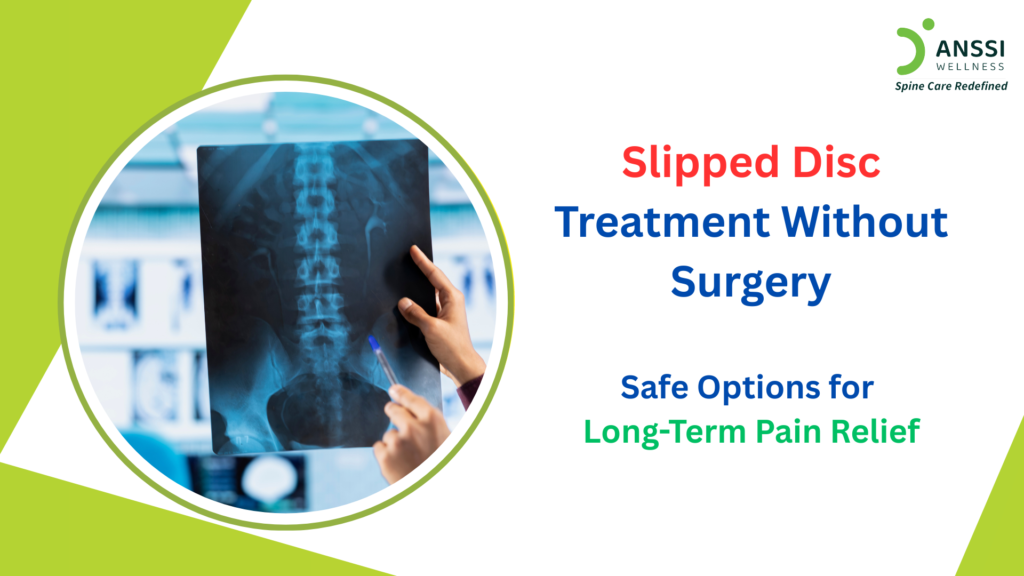
Back and neck pain are among the most common health problems faced by people today. One of the major causes behind persistent spinal pain is a slipped disc, also known as a herniated or bulging disc. This condition can cause severe discomfort and interfere with your daily life, making simple activities such as sitting, walking, or even sleeping difficult.
Many patients who are diagnosed with a slipped disc are often worried that surgery may be the only solution. However, in many cases, surgery is not the first or only option. Today, several safe and effective non-surgical treatments are available that can help reduce pain, improve mobility, and promote long-term spine health.
Let’s explore the causes, symptoms, and non-surgical slipped disc treatment options that can help patients find lasting relief without undergoing surgery.
Understanding a Slipped Disc
The spine is made up of small bones called vertebrae that are separated by soft cushion-like discs. These discs act as shock absorbers and allow the spine to move comfortably. A slipped disc occurs when the soft inner portion of a disc pushes out through its outer layer. This can place pressure on nearby nerves and cause pain or discomfort.
A slipped disc can occur in different parts of the spine. When it develops in the lower back, it can lead to lower back pain and sciatica, while a slipped disc in the neck can cause neck pain and radiating pain in the shoulders or arms.
The severity of symptoms may vary from mild discomfort to intense pain that affects daily activities.
Common Causes and Risk Factors
Several factors can increase the risk of developing a slipped disc.
- One of the most common causes is poor posture, especially among people who spend long hours sitting at desks or working on computers.
-
- A sedentary lifestyle can also weaken the muscles that support the spine, making it easier for discs to become damaged.
- People who perform heavy lifting or repetitive physical work may place excessive strain on their spinal discs.
- Age is another important factor. As people grow older, spinal discs naturally lose some of their flexibility and strength. This process, known as disc degeneration, makes the discs more vulnerable to injury.
- Sudden twisting movements, sports injuries, and accidents can also contribute to a slipped disc.
Symptoms That Should Not Be Ignored
Depending on the location and severity of the problem, a slipped disc might present with a variety of symptoms. Some people may experience mild discomfort, while others may suffer from severe pain.
Common symptoms include:
- Persistent lower back or neck pain
- Pain that radiates into the arms or legs
- Numbness or tingling sensations
- Muscle weakness
- Difficulty sitting, standing, or walking for long periods
In cases where a nerve is significantly compressed, patients may experience sharp, shooting pain or difficulty performing normal activities.
If these symptoms persist for several weeks, it is important to seek medical evaluation to prevent the condition from worsening.
Conservative Treatments for Slipped Disc Relief
In many cases, slipped disc pain can be managed with conservative treatments. These approaches focus on reducing inflammation, improving spinal stability, and supporting natural healing.
Physiotherapy and Posture Correction
Physiotherapy plays a key role in strengthening the muscles that support the spine. Guided exercises can help improve flexibility, reduce stiffness, and correct posture. A trained physiotherapist may also recommend specific movements that reduce pressure on the affected disc.
Heat and Ice Therapy
Applying heat or ice to the painful area can help reduce inflammation and relieve muscle tension. Ice therapy is often used during the early stages of pain to control swelling, while heat therapy can help relax tight muscles and improve blood circulation.
Lifestyle Adjustments
Small lifestyle changes can make a significant difference in managing slipped disc pain. These may include:
- Maintaining proper posture while sitting and standing
- Using ergonomic chairs and workstations
- Avoiding prolonged sitting
- Maintaining a healthy body weight
These measures can help reduce stress on the spine and prevent further disc damage.
Advanced Non-Surgical Treatment Options
While conservative treatments are helpful, some patients continue to experience persistent pain due to ongoing pressure on spinal discs and nerves. In such cases, advanced non-surgical treatments may provide better results.
One such option is Non-Surgical Spinal Decompression Treatment, which is designed to gently relieve pressure on damaged discs.
This procedure uses advanced technology to create a controlled stretching force on the spine. The process helps increase the space between vertebrae, allowing the disc to return toward its normal position. As pressure on the spinal nerves decreases, patients may experience relief from pain, numbness, and tingling.
Many patients prefer this treatment because it offers several advantages:
- It is non-invasive
- It does not require surgery
- It avoids injections and long-term medication
- It typically allows patients to resume daily activities quickly
When combined with physiotherapy and supportive care, non-surgical spinal decompression treatment can help promote healing and restore spinal function.
About ANSSI:
ANSSI Wellness focuses on improving the quality of life for patients suffering from spinal issues, aiming to provide relief where other conventional treatments have failed. Through advanced Non-Surgical Spinal Decompression Treatment, ANSSI is committed to helping patients avoid surgery and recover in a safe, effective, and compassionate environment.
Connect with ANSSI Wellness on LinkedIn, Instagram, and Facebook for expert guidance.