Chronic lower back pain is one of the most common health concerns affecting people today. It can interfere with daily activities, reduce productivity, and significantly impact quality of life. One of the leading causes of persistent lower back pain is Lumbar Spondylosis, a condition associated with age-related wear and tear of the spine.
Many patients diagnosed with lumbar spondylosis are often advised to take painkillers or consider surgery. However, these approaches may not always be necessary, especially in the early or moderate stages of the condition. Today, non-surgical treatments are widely recognised as safe and effective solutions that not only relieve pain but also address the root cause of the problem.
Understanding Lumbar Spondylosis
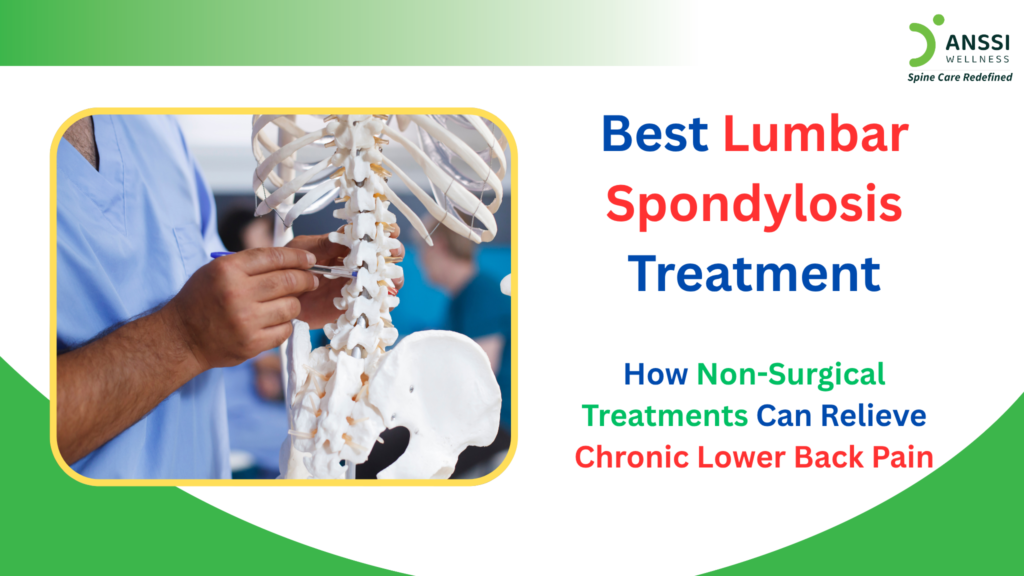
Lumbar spondylosis refers to the degeneration of the spinal discs and joints in the lower back (lumbar spine). The vertebrae that make up the spine are divided by discs that provide flexibility and serve as cushions.
Over time, these discs can lose hydration and elasticity, leading to reduced cushioning between the bones. This degeneration may cause the discs to bulge or shrink, putting pressure on nearby nerves. As a result, individuals may experience pain, stiffness, and reduced mobility.
Although lumbar spondylosis is more common with ageing, it is increasingly seen in younger individuals due to sedentary lifestyles and poor posture.
Causes of Lumbar Spondylosis
Several factors contribute to the development of lumbar spondylosis. One of the primary causes is age-related degeneration, where the spinal discs naturally wear down over time.
However, lifestyle factors also play a significant role. Poor posture, especially while sitting for long hours, can place excessive stress on the lower back. This is particularly common among office workers and individuals who use computers for extended periods.
Other contributing factors include:
- Lack of physical activity leading to weak core muscles
- Repetitive strain from lifting heavy objects
- Obesity, which increases pressure on the spine
- Improper body mechanics during daily activities
When these factors combine, they accelerate the degeneration of spinal structures and increase the likelihood of chronic back pain.
Symptoms That Affect Daily Life
The symptoms of lumbar spondylosis may develop gradually and worsen over time. In the early stages, individuals may experience mild discomfort or stiffness in the lower back.
However, as the condition progresses, the symptoms can become more persistent.
Common symptoms include:
- Continuous lower back pain and stiffness
- Pain that radiates to the hips, buttocks, or legs
- Numbness or tingling sensations in the legs
- Muscle weakness
- Difficulty standing, walking, or sitting for long periods
In some cases, nerve compression may lead to more severe symptoms that interfere with everyday activities. If these symptoms persist, it is important to seek proper evaluation and treatment.
Limitations of Medication and Surgery
Painkillers are often prescribed to manage lower back pain caused by lumbar spondylosis. While these medications can reduce inflammation and provide temporary relief, they do not address the underlying structural issues in the spine.
Relying on long-term medication may also lead to side effects such as digestive issues, kidney problems, or dependency.
Surgery, on the other hand, is typically considered only in severe cases where conservative treatments have failed. Although surgery can be effective for certain conditions, it comes with several drawbacks, including:
- Risk of complications such as infection
- Long recovery periods
- High costs
- Not always necessary for early or moderate cases
Because of these limitations, many healthcare professionals recommend exploring non-surgical treatments first.
Best Non-Surgical Treatment Options
Non-surgical treatments focus on relieving pain, improving spinal function, and promoting natural healing without invasive procedures. These treatments are often effective in managing lumbar spondylosis and preventing further progression.
Physiotherapy and Rehabilitation
Physiotherapy plays a crucial role in strengthening the muscles that support the spine. Targeted exercises help improve flexibility, stability, and posture.
Strong core muscles reduce the load on the lumbar spine, which can help alleviate pain and prevent further degeneration. Physiotherapy also includes stretching exercises and movement training to improve mobility.
Lifestyle and Posture Correction
Making simple changes to daily habits can significantly improve spinal health. Maintaining proper posture while sitting, standing, and lifting can reduce unnecessary strain on the lower back.
Other helpful measures include:
- Using ergonomic furniture
- Taking regular breaks during long periods of sitting
- Engaging in regular physical activity
- Maintaining a healthy weight
These changes not only reduce pain but also prevent the condition from worsening.
Non-Surgical Spinal Decompression Treatment
One of the most advanced non-surgical treatments available today is Non-Surgical Spinal Decompression Treatment. This procedure is designed to relieve pressure on spinal discs and nerves.
It works by gently stretching the spine using specialised equipment. This controlled stretching creates negative pressure within the discs, which may help reposition bulging discs and improve nutrient flow to the affected area.
As pressure on the nerves decreases, patients may experience reduced pain, improved mobility, and enhanced healing.
This treatment is particularly beneficial because it is:
- Non-invasive
- Drug-free
- Focused on treating the root cause
- Often combined with physiotherapy for better outcomes
Why Non-Surgical Care is the Best Choice
Non-surgical treatments offer a safer and more sustainable approach to managing lumbar spondylosis. Unlike medications that provide temporary relief, these treatments focus on addressing the underlying cause of pain.
They also avoid the risks and recovery challenges associated with surgery. By improving spinal alignment, strengthening muscles, and relieving nerve pressure, non-surgical treatments help patients achieve long-term relief.
About ANSSI:
ANSSI Wellness focuses on improving the quality of life for patients suffering from spinal issues, aiming to provide relief where other conventional treatments have failed. Through advanced Non-Surgical Spinal Decompression Treatment, ANSSI is committed to helping patients avoid surgery and recover in a safe, effective, and compassionate environment.
Connect with ANSSI Wellness on LinkedIn, Instagram, and Facebook for expert guidance.