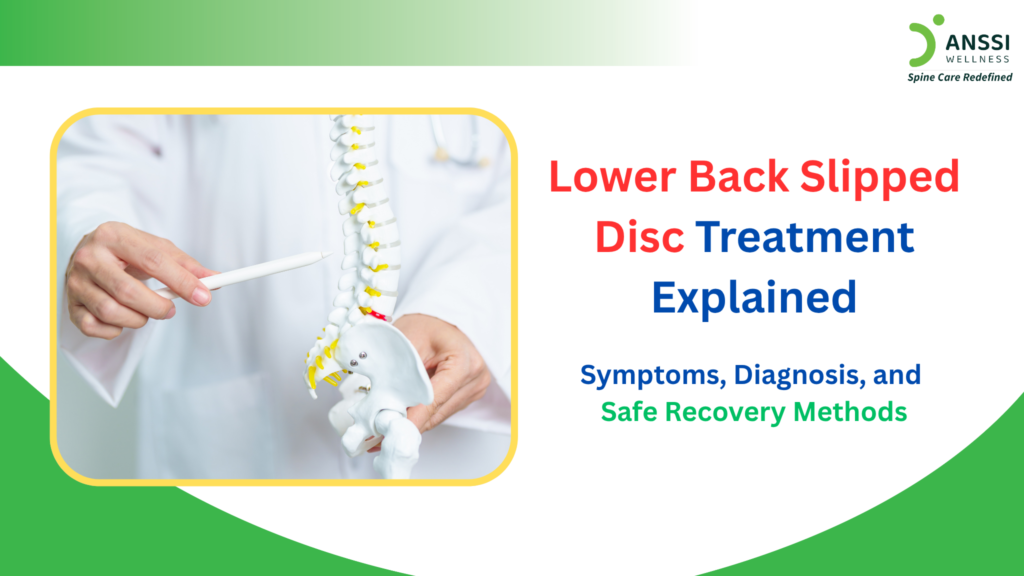
Lower back pain is one of the most common health concerns today, especially among working professionals and individuals with sedentary lifestyles. One of the major causes behind persistent lower back pain is a slipped disc, also known as a herniated or prolapsed disc.
A slipped disc occurs when the soft inner portion of a spinal disc pushes through its outer layer, putting pressure on nearby nerves. This can lead to significant pain and discomfort, often affecting daily activities and mobility. While the condition may sound serious, the good news is that many cases can be effectively managed with non-surgical treatments, especially when addressed early.
Common Symptoms of Lower Back Slipped Disc
The symptoms of a slipped disc can vary depending on the severity and location of the condition. One of the most common signs is persistent lower back pain that does not improve with rest. This pain may worsen with movement, sitting for long periods, or bending.
Another key symptom is sciatica, where pain radiates from the lower back down to the hips, thighs, or even the feet. This occurs when the affected disc compresses the sciatic nerve.
In addition to pain, individuals may experience numbness, tingling sensations, or weakness in the legs. Some people may also find it difficult to stand, walk, or perform routine tasks comfortably. Recognising these symptoms early can help in seeking timely treatment and preventing further complications.
Causes and Risk Factors
A slipped disc can develop due to various reasons. One of the primary causes is prolonged sitting, especially with poor posture, which puts continuous pressure on the lower spine.
Heavy lifting, sudden twisting movements, or improper exercise techniques can also lead to disc injury. Over time, age-related degeneration weakens the spinal discs, making them more prone to slipping.
Other contributing factors include obesity, lack of physical activity, and weak core muscles. These factors increase strain on the spine and accelerate wear and tear, raising the risk of disc problems.
Diagnosis: Identifying the Root Cause
Accurate diagnosis is essential for effective treatment. A spine specialist typically begins with a detailed medical history and a discussion of symptoms. This helps in understanding the duration, severity, and possible triggers of the pain.
A physical examination is then conducted to assess posture, range of motion, and nerve function. Neurological tests may be performed to check for muscle weakness, reflex changes, or sensory loss.
In some cases, imaging tests such as MRI or X-rays are recommended to confirm the diagnosis and identify the exact location of the disc issue. A precise diagnosis ensures that the treatment plan targets the root cause rather than just the symptoms.
Non-Surgical Treatment Methods
Non-surgical treatments are often the first line of approach for managing a slipped disc, and they have proven to be highly effective for many patients. One of the most advanced methods is Non-Surgical Spinal Decompression Treatment. This technique involves gently stretching the spine using specialised equipment, which helps reduce pressure on the affected disc and nerves. By creating space between the vertebrae, it promotes better blood flow and supports natural healing.
Physiotherapy is another important component of treatment. It focuses on strengthening the muscles that support the spine, improving flexibility, and correcting posture. Targeted exercises help stabilise the spine and reduce the chances of recurrence.
Pain management is also addressed without relying heavily on long-term medication. Instead, treatments aim to reduce inflammation and support recovery through safe and sustainable methods.
Additionally, ergonomic improvements, such as proper workstation setup and correct sitting posture, play a crucial role in reducing strain on the spine.
Safe Recovery and Lifestyle Modifications
Recovery from a slipped disc requires a combination of treatment and lifestyle changes. Guided exercises and stretching routines help improve mobility and strengthen the core muscles that support the spine.
Maintaining a healthy weight reduces unnecessary pressure on the lower back, while staying physically active keeps the spine flexible and strong. Simple habits like taking regular breaks from sitting, using proper lifting techniques, and maintaining correct posture can make a significant difference.
Avoiding activities that strain the lower back during the recovery phase is equally important. With consistency and proper care, most individuals can achieve significant improvement without the need for surgery.
When to Consult a Specialist
It is important to consult a spine specialist if your symptoms persist for more than a few weeks or continue to worsen. Difficulty in performing daily activities, severe pain, or noticeable weakness in the legs should not be ignored.
Early consultation allows for timely diagnosis and effective treatment, reducing the risk of complications and long-term damage.
About ANSSI:
ANSSI Wellness focuses on improving the quality of life for patients suffering from spinal issues, aiming to provide relief where other conventional treatments have failed. Through advanced Non-Surgical Spinal Decompression Treatment, ANSSI is committed to helping patients avoid surgery and recover in a safe, effective, and compassionate environment.
Connect with ANSSI Wellness on LinkedIn, Instagram, and Facebook for expert guidance.