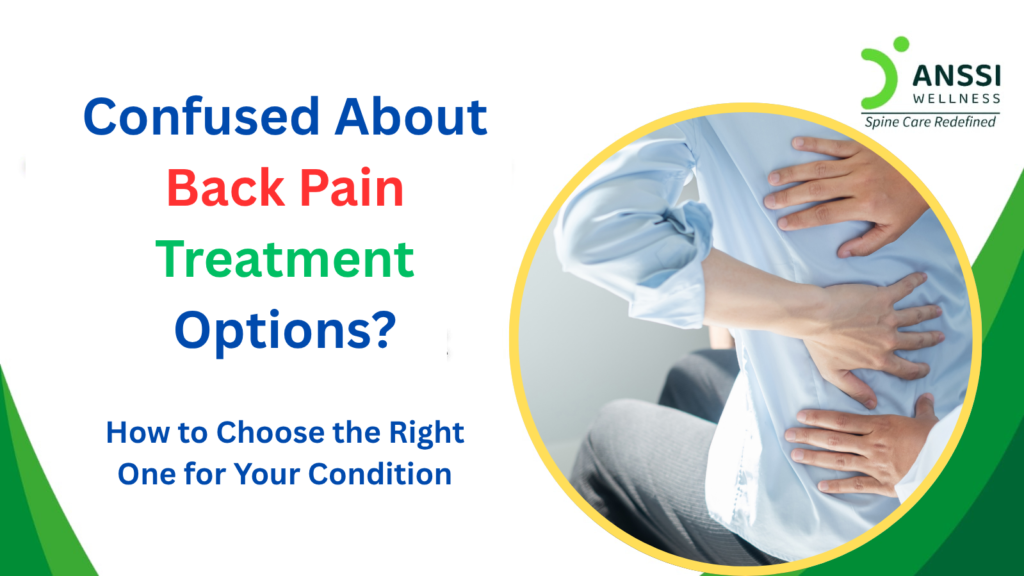
Back pain is one of the most common health concerns today, affecting people of all age groups. From desk workers to homemakers, many experience chronic back pain at some point. However, when it comes to treatment, the options can feel overwhelming. Should you take medication, try physiotherapy, or consider advanced treatments?
The truth is, there is no one-size-fits-all solution. The most effective treatment depends on the exact cause of your pain. Understanding your condition and choosing the right treatment accordingly is the key to long-term relief.
Why Proper Diagnosis Matters
Treating pain without identifying its cause is like fixing a problem temporarily without addressing its source.
A proper diagnosis helps determine whether your pain is due to a disc issue, nerve compression, or age-related degeneration. Healthcare professionals use clinical evaluations and, when necessary, imaging tests like MRI or X-rays to identify the root cause.
Once the cause is clear, a targeted treatment plan can be designed to address the problem effectively, ensuring better and longer-lasting results.
Common Back Pain Conditions Explained
Back pain is not a single condition. It is a symptom that can arise from various underlying issues.
1. Disc Bulge or Herniation
A disc bulge or herniation occurs when the soft inner portion of a spinal disc pushes outward, putting pressure on nearby nerves. This condition often causes chronic back pain, stiffness, and discomfort during movement.
2. Sciatica
Sciatica is characterised by pain that radiates from the lower back down to the legs. It is caused by compression or irritation of the sciatic nerve, usually due to a slipped disc. The pain can be sharp, burning, or accompanied by tingling sensations.
3. Spondylosis
Spondylosis refers to age-related wear and tear of the spine. It can lead to chronic pain, stiffness, and reduced flexibility. This condition is more common in older adults but can also affect younger individuals due to poor posture and lifestyle habits.
How Treatment Varies by Condition
Each back pain condition requires a different treatment approach. Choosing the wrong method may provide temporary relief but will not solve the underlying issue.
- For disc-related problems, treatments like spinal decompression treatment and targeted physiotherapy help reduce pressure on the affected disc and promote healing.
- In cases of sciatica, the focus is on relieving nerve compression and improving mobility. This may include specific exercises, stretching routines, and therapies that reduce inflammation.
- For spondylosis, treatment also involves strengthening the muscles that support the spine, improving posture, and managing pain through non-invasive methods. The goal is to enhance flexibility and prevent further degeneration.
Non-Surgical Treatment Options
Non-surgical treatments have become the preferred choice for managing most back pain conditions. They are safe, effective, and focus on long-term recovery.
Physiotherapy and Rehabilitation
Guided exercises help strengthen the spine, improve posture, and restore mobility. Physiotherapy also reduces the risk of recurrence.
Non-Surgical Spinal Decompression Treatment
This advanced treatment gently stretches the spine, relieving pressure on discs and nerves. It improves blood flow and supports natural healing.
Posture Correction and Ergonomic Guidance
Small changes in daily habits, such as maintaining proper sitting posture and using ergonomic furniture, can significantly reduce strain on the spine.
Drug-Free Pain Management
Instead of relying on painkillers, non-surgical treatments focus on natural methods like hot/cold therapy, manual therapy, stretching, and rehabilitation to manage pain effectively.
Risks of Choosing the Wrong Treatment
Selecting the wrong treatment can do more harm than good. Temporary solutions like painkillers may mask the symptoms but do not address the root cause.
Over time, the condition may worsen, leading to increased pain and reduced mobility. In some cases, patients may become dependent on medication or even undergo unnecessary surgery due to improper treatment choices.
This is why it is crucial to choose a treatment plan based on an accurate diagnosis rather than guesswork.
When to Consult a Specialist
If your back pain persists for more than a few weeks or keeps recurring, it is important to consult a specialist. Symptoms such as radiating pain, numbness, tingling, or limited mobility should not be ignored.
Early intervention can prevent the condition from worsening and help you recover faster. A specialist can evaluate your condition and recommend the most suitable treatment based on your diagnosis.
About ANSSI:
ANSSI Wellness focuses on improving the quality of life for patients suffering from spinal issues, aiming to provide relief where other conventional treatments have failed. Through advanced Non-Surgical Spinal Decompression Treatment, ANSSI is committed to helping patients avoid surgery and recover in a safe, effective, and compassionate environment.
Connect with ANSSI Wellness on LinkedIn, Instagram, and Facebook for expert guidance.