Lower back pain is one of the most common health problems people face today, and one of its major causes is a slipped disc. For many patients, hearing the term “slipped disc” immediately creates fear, especially the fear of surgery. However, the good news is that surgery is not always necessary.
In many cases, slipped disc problems can be effectively managed with safe and proven non-surgical treatments. Understanding the condition and the available options can help you make the right decision for long-term relief.
What is a Slipped Disc?
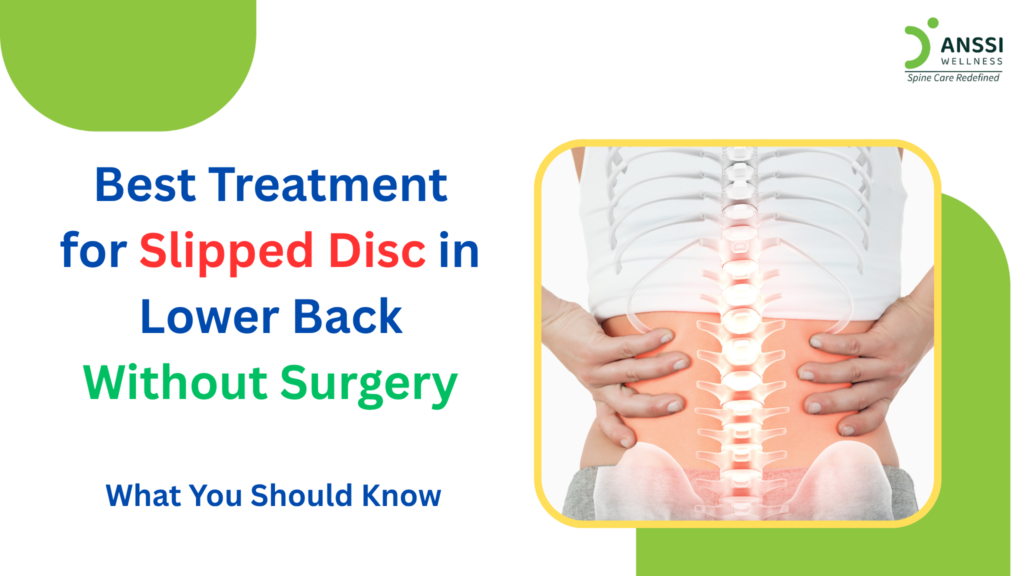
A slipped disc, also known as a disc bulge or herniated disc, occurs when one of the soft spinal discs between the vertebrae becomes damaged or moves out of place. These discs act as cushions, absorbing shock and allowing flexibility in the spine.
When a disc bulges or ruptures, it can press on nearby nerves, causing pain and discomfort. This problem is most common in the lower back because this area carries most of the body’s weight and experiences the highest strain.
Common causes of a slipped disc include:
- Poor posture
- Lifting heavy objects incorrectly
- Prolonged sitting and sedentary lifestyle
- Age-related wear and tear
- Sudden injury or strain
These factors gradually weaken the spinal discs, making them more vulnerable to damage.
Symptoms of a Slipped Disc
The symptoms of a slipped disc can vary depending on the severity and the nerves affected. Some people may experience mild discomfort, while others face severe pain that affects daily life.
Common symptoms include:
- Persistent lower back pain
- Pain radiating from the back to the legs (sciatica)
- Tingling or numbness in the legs or feet
- Muscle weakness in the lower limbs
- Difficulty bending, walking, sitting, or standing for long periods
If these symptoms continue for weeks or worsen over time, it is important to seek professional medical advice.
Why Surgery is Not Always Necessary
Many people assume that a slipped disc automatically requires surgery, but this is not true. In fact, most cases improve with conservative and non-surgical treatments.
Surgery is usually recommended only in severe situations, such as significant nerve damage, loss of bladder control, or extreme weakness in the legs. For the majority of patients, the goal is to reduce pressure on the affected nerve and allow the disc to heal naturally.
Back surgery also carries risks such as infection, long recovery time, repeat procedures, and the possibility of persistent pain even after surgery. This is why surgery should always be considered the last resort.
Best Non-Surgical Treatment Options
Fortunately, there are several effective non-surgical treatments available for a slipped disc in the lower back.
1. Physiotherapy and Guided Exercises
Physiotherapy is often one of the first recommended treatments. Specific exercises help strengthen the muscles supporting the spine, improve flexibility, and reduce pressure on the affected disc.
A trained therapist can also guide patients on safe movement patterns to prevent further injury.
2. Posture Correction and Ergonomic Improvements
Poor posture is a major contributor to slipped disc problems. Correcting sitting, standing, and lifting habits can reduce strain on the lower back.
Simple ergonomic improvements like proper chair support, correct desk height, and regular movement breaks can make a significant difference.
3. Lifestyle Changes and Weight Management
Excess body weight puts additional pressure on the lower spine. Maintaining a healthy weight and staying physically active can support recovery and prevent future disc problems.
Avoiding smoking and improving overall physical fitness also contribute to better spinal health.
4. Advanced Non-Surgical Spinal Decompression Treatment
One of the most advanced and effective treatments for slipped disc is non-surgical spinal decompression treatment.
At ANSSI Wellness, this treatment is used to gently stretch the spine in a controlled way. This creates negative pressure inside the disc, helping the bulging disc move back into place and reducing pressure on compressed nerves.
This process promotes natural healing and improves blood flow to the damaged area.
Benefits of Spinal Decompression Treatment:
- Non-invasive and safe
- No surgery, injections, or hospitalisation
- Drug-free treatment approach
- Focus on long-term relief
- Minimal downtime and faster recovery
This makes it an ideal option for patients looking for effective treatment without the risks of surgery.
Why Early Treatment Matters
Ignoring slipped disc symptoms can lead to worsening pain and more serious complications. Delayed treatment may result in chronic nerve compression, reduced mobility, and a greater likelihood of requiring surgery later.
Early diagnosis helps identify the severity of the condition and allows treatment to begin before permanent damage occurs.
At ANSSI Wellness, patients receive personalised treatment plans based on their specific condition, ensuring a targeted and effective recovery process.
About ANSSI:
ANSSI Wellness focuses on improving the quality of life for patients suffering from spinal issues, aiming to provide relief where other conventional treatments have failed. Through advanced Non-Surgical Spinal Decompression Treatment, ANSSI is committed to helping patients avoid surgery and recover in a safe, effective, and compassionate environment.
Connect with ANSSI Wellness on LinkedIn, Instagram, and Facebook for expert guidance.