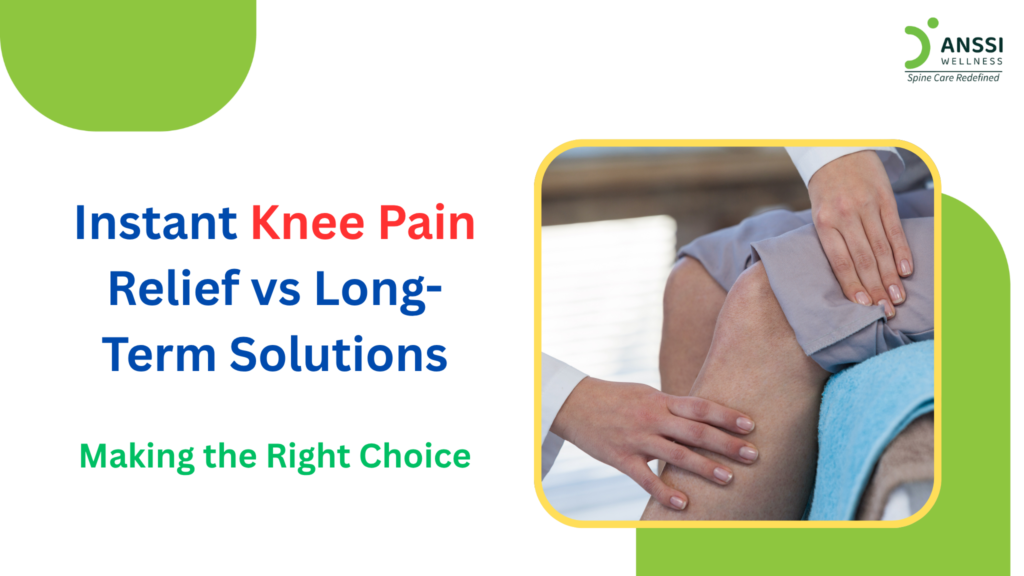
Chronic knee pain is one of the most common musculoskeletal problems affecting people of all age groups today. From elderly individuals struggling with joint degeneration to working professionals dealing with sedentary lifestyles and active adults recovering from injuries, knee pain can significantly affect daily life.
Simple activities such as walking, climbing stairs, standing for long periods, or exercising may become painful and difficult. Many patients seek immediate relief through painkillers or home remedies, but temporary comfort does not always solve the underlying problem.
To achieve lasting recovery, it is important to understand the difference between short-term symptom relief and treatments that address the root cause of chronic knee pain.
Common Causes of Chronic Knee Pain
Knee pain can develop due to several underlying conditions.
- Osteoarthritis and Cartilage Degeneration: One of the most common causes of chronic knee pain is osteoarthritis. Over time, the cartilage protecting the knee joint gradually wears down, leading to friction, stiffness, swelling, and pain.
- Ligament Injuries and Overuse: Sports injuries, repetitive strain, and sudden twisting movements can damage the ligaments supporting the knee. Overuse injuries are also common among active individuals and athletes.
- Poor Posture and Muscle Weakness: Incorrect posture, improper walking patterns, and weak muscles surrounding the knee can place additional stress on the joint.
- Obesity and Sedentary Lifestyle: Excess body weight increases pressure on the knees during daily movement. Lack of physical activity may also weaken the muscles that stabilise the knee joint.
- Age-Related Wear and Tear: As people age, the natural wear and tear of joints may gradually reduce flexibility and joint function.
Understanding the root cause of knee pain is essential for selecting the right treatment approach.
Temporary Knee Pain Relief Methods
Many people initially focus on methods that provide fast symptom relief.
Painkillers and Anti-Inflammatory Medications
Over-the-counter medications may temporarily reduce pain and inflammation. While they can help manage discomfort, they do not repair joint damage or improve long-term knee health.
Ice Packs and Heat Therapy
Cold therapy helps reduce swelling and inflammation, while heat therapy relaxes stiff muscles and improves circulation.
Knee Braces and Support
Knee braces may provide temporary stability and reduce pressure on the joint during movement.
Rest and Activity Modification
Avoiding activities that worsen pain can provide short-term relief and reduce irritation in the knee.
Although these methods may help patients feel better temporarily, they often fail to address the underlying joint problem.
Limitations of Temporary Relief Methods
Relying only on short-term pain management may allow the condition to worsen over time.
- Painkillers Only Mask Symptoms: Pain medications reduce discomfort temporarily but do not improve cartilage health, muscle strength, or joint stability.
- Reduced Mobility and Muscle Weakness: Avoiding movement completely due to pain may weaken surrounding muscles and increase joint instability.
- Worsening Joint Degeneration: If the root cause remains untreated, cartilage damage and inflammation may continue progressing.
- Dependency on Medication: Long-term use of painkillers may increase the risk of side effects and dependency.
Because of these limitations, many patients begin searching for safer and more sustainable long-term solutions.
Why Long-Term Solutions Matter
Chronic knee pain is not simply about discomfort. Over time, untreated knee problems can affect mobility, independence, and overall quality of life.
Patients may begin avoiding physical activity, social events, exercise, or even routine household tasks because of persistent pain.
Long-term treatment focuses on:
- Improving joint function
- Reducing pressure on the knee
- Strengthening supportive muscles
- Enhancing flexibility and balance
- Preventing future deterioration
Addressing these factors helps patients regain confidence in movement and improve long-term knee health.
Advanced Knee Rehabilitation Program: A Modern Non-Surgical Approach
Modern non-surgical knee rehabilitation programs are designed to treat the root cause of chronic knee pain rather than simply suppress symptoms.
Personalised Rehabilitation Programs
Every patient’s condition is different. Advanced rehabilitation programs are customised according to pain severity, mobility limitations, age, lifestyle, and underlying joint condition.
This personalised approach helps improve treatment outcomes and recovery speed.
Modern Knee Decompression Technology
One of the advanced techniques used in modern rehabilitation programs is knee decompression technology.
This treatment is designed to gently reduce pressure within the knee joint. By relieving stress on damaged cartilage and surrounding structures, decompression may help improve joint function and support natural healing processes.
Reducing joint pressure can also help patients move more comfortably and participate more effectively in rehabilitation exercises.
Physiotherapy and Muscle Strengthening
Physiotherapy plays a major role in long-term knee recovery. It may improve flexibility, coordination, and posture.
Strengthening exercises help stabilise the knee joint and reduce strain during walking and movement.
Improving Balance and Joint Stability
Advanced rehabilitation programs often include exercises that improve balance and joint control. Better stability reduces the risk of falls, re-injury, and worsening pain.
Supporting Natural Healing
Unlike temporary pain relief methods, rehabilitation focuses on improving overall joint health and supporting the body’s natural recovery mechanisms.
Benefits of Non-Surgical Long-Term Knee Care
Modern non-surgical treatments offer several advantages for patients seeking lasting relief.
- Safe and Non-Invasive: Non-surgical rehabilitation avoids the risks associated with invasive procedures and lengthy recovery periods.
- Reduced Dependence on Painkillers: By addressing the underlying cause of pain, patients may gradually rely less on medications.
- Improved Mobility and Daily Function: Many patients experience better walking ability, improved flexibility, and greater confidence during daily activities.
- Delaying or Avoiding Surgery: For many individuals, effective rehabilitation may help delay or even avoid the need for knee surgery.
Importance of Early Diagnosis and Treatment
The earlier chronic knee pain is addressed, the better the chances of successful recovery. Early diagnosis allows specialists to identify cartilage damage, muscle weakness, posture problems, or ligament injuries before they become more severe.
Ignoring persistent knee pain may lead to worsening joint degeneration and reduced mobility over time. Seeking professional guidance early can help patients begin appropriate treatment before significant joint damage occurs.
References:
- Duong V, Oo WM, Ding C, Culvenor AG, Hunter DJ. Evaluation and Treatment of Knee Pain: A Review. JAMA. 2023;330(16):1568–1580. doi:10.1001/jama.2023.19675.
- Vanneste T, Belba A, Oei GTML, Emans P, Fonkoue L, Kallewaard JW, et al. 9. Chronic knee pain. Pain Pract. 2025;25:e13408. https://doi.org/10.1111/papr.13408
- Hurley, M.V., Walsh, N.E., Mitchell, H., Nicholas, J. and Patel, A. (2012), Long-term outcomes and costs of an integrated rehabilitation program for chronic knee pain: A pragmatic, cluster randomized, controlled trial. Arthritis Care Res, 64: 238-247. https://doi.org/10.1002/acr.20642
Book Consultation:
Call +91 9004726844 | 9920936844
Visit www.anssiwellness.com
About ANSSI:
ANSSI Wellness focuses on improving the quality of life for patients suffering from knee issues, aiming to provide relief where other conventional treatments have failed. Through Advanced Knee Rehabilitation Treatment, ANSSI is committed to helping patients avoid surgery and recover in a safe, effective, and compassionate environment.
Connect with ANSSI Wellness on LinkedIn, Instagram, and Facebook for expert guidance.