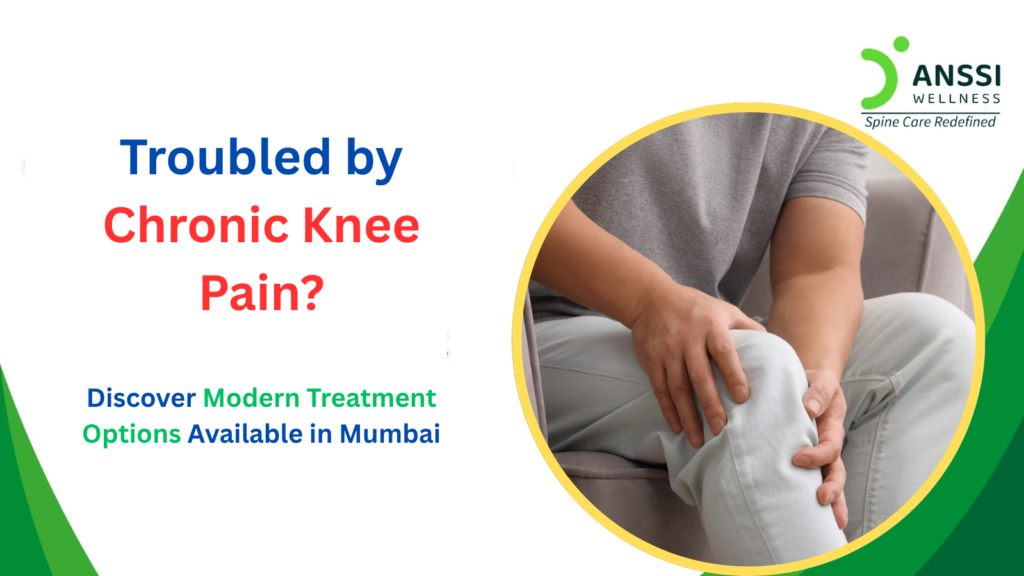
Chronic knee pain has become an increasingly common problem among residents of Mumbai. From office workers and business professionals to senior citizens, homemakers, and fitness enthusiasts, many people struggle with persistent knee discomfort that affects their mobility and quality of life.
Mumbai’s fast-paced lifestyle often involves long hours of standing, climbing stairs, commuting, and managing busy schedules. Over time, these activities can place significant stress on the knee joints, increasing the risk of chronic knee pain and early joint degeneration.
Although many people initially rely on painkillers or assume that surgery is their only option, modern rehabilitation approaches now offer effective non-surgical alternatives that focus on long-term relief and improved joint function.
Understanding Chronic Knee Pain
Chronic knee pain is generally defined as knee pain that persists for several weeks or months and continues to interfere with daily activities.
The condition can develop gradually or result from previous injuries.
Common Causes of Chronic Knee Pain
Several factors can contribute to persistent knee pain.
- Early-Stage Osteoarthritis (Grade 1 and Grade 2): Osteoarthritis is one of the most common causes of chronic knee pain. It occurs when the cartilage that cushions the knee joint gradually begins to wear down.
- Cartilage Wear and Tear: Over time, repeated use and ageing can reduce the joint’s ability to absorb shock effectively.
- Knee Joint Degeneration: Degenerative changes may affect the cartilage, ligaments, and surrounding structures, leading to stiffness and pain.
- Muscle Weakness and Joint Instability: Weak muscles around the knee may increase stress on the joint and contribute to poor movement patterns.
- Previous Injuries: Past ligament injuries, meniscus injuries, or sports-related trauma can increase the risk of long-term knee problems.
- Excess Body Weight and Repetitive Stress: Additional body weight and repetitive movements place extra pressure on the knee joint.
Common Symptoms of Chronic Knee Pain
Patients may experience:
- Persistent knee pain
- Morning stiffness
- Swelling
- Difficulty climbing stairs
- Reduced mobility
- Knee weakness
- Joint instability
These symptoms can gradually worsen if not addressed early.
Why Temporary Treatments Often Fail
Many patients initially choose medication or consider surgery when pain becomes severe. However, these approaches may not always provide long-term solutions.
Limitations of Medication
Painkillers and anti-inflammatory medications can temporarily reduce discomfort.
However, they do not:
- Repair cartilage damage
- Improve joint mechanics
- Strengthen supporting muscles
- Restore knee function
As a result, symptoms often return once medication is discontinued.
Limitations of Surgery
Surgery may be necessary for advanced joint damage or severe osteoarthritis.
However, surgery is not always required during the early stages of degeneration.
Potential concerns include:
- Surgical risks
- Recovery time
- Rehabilitation requirements
- Temporary disruption of daily life
This is why many patients prefer to explore conservative options first.
The Importance of Early Diagnosis
Timely diagnosis plays a critical role in preventing further degeneration.
Comprehensive Clinical Assessment
An evaluation may include:
- Detailed medical history
- Physical examination
- Functional assessment
- X-rays
- MRI scans, when necessary
These assessments help determine:
- The severity of joint degeneration
- The presence of cartilage damage
- Joint stability
- Functional limitations
An accurate diagnosis allows clinicians to create a personalised treatment plan.
Modern Non-Surgical Knee Treatment Options
Today, advanced rehabilitation programs are changing how chronic knee pain is managed.
Advanced Knee Rehabilitation Programs
These programs are designed to address the root causes of knee pain rather than simply managing symptoms.
Treatment plans are customised according to:
- The patient’s diagnosis
- Severity of symptoms
- Functional limitations
- Activity level
- Long-term goals
Knee Decompression Technology
One of the modern treatment approaches available is knee decompression technology.
This technology aims to gently unload the knee joint and reduce excessive pressure on affected areas.
The objectives include:
- Reducing mechanical stress on the joint
- Improving movement mechanics
- Supporting joint function
- Enhancing patient comfort during rehabilitation
Knee decompression may be particularly beneficial for patients with early-stage osteoarthritis and chronic degenerative knee conditions.
Integrated Rehabilitation Components
Advanced treatment programs often combine multiple therapies to optimise recovery.
Physiotherapy
Physiotherapy helps improve joint movement and restore function.
Muscle Strengthening Exercises
Strengthening the muscles surrounding the knee improves joint stability and reduces stress on the joint.
Mobility and Flexibility Training
These exercises help maintain healthy movement patterns and reduce stiffness.
Posture and Gait Correction
Improving walking mechanics can reduce abnormal loading on the knees.
Weight Management Guidance
Maintaining a healthy body weight helps decrease pressure on the knee joints.
Benefits of Modern Knee Rehabilitation
Patients may experience several long-term benefits, including:
- Reduced pain and stiffness
- Improved mobility
- Better knee stability
- Enhanced daily functioning
- Increased confidence in movement
- Delayed or avoided need for surgery
By focusing on joint preservation and functional improvement, patients can often continue their daily activities more comfortably.
Why Choose ANSSI Wellness Mumbai?
At ANSSI Wellness Mumbai, treatment programs are designed to provide personalised, root-cause-based care.
Comprehensive Assessments
Every patient undergoes a detailed evaluation to identify the underlying causes of knee pain.
Personalised Rehabilitation Programs
Treatment plans may integrate:
- Knee decompression technology
- Physiotherapy
- Strengthening exercises
- Mobility training
- Gait correction
- Lifestyle guidance
Focus on Long-Term Relief
The goal is to improve knee function and quality of life rather than simply masking symptoms.
About ANSSI:
ANSSI Wellness focuses on improving the quality of life for patients suffering from knee issues, aiming to provide relief where other conventional treatments have failed. Through Advanced Knee Rehabilitation Treatment, ANSSI is committed to helping patients avoid surgery and recover in a safe, effective, and compassionate environment.
Book Consultation:
Call +91 9004726844 | 9920936844
Visit www.anssiwellness.com
Connect with ANSSI Wellness on LinkedIn, Instagram, and Facebook for expert guidance.
Clinical References:
- Alison J. Gibbs, Bimbi Gray, Jason A. Wallis, Nicholas F. Taylor, Joanne L. Kemp, David J. Hunter, Christian J. Barton. Recommendations for the management of hip and knee osteoarthritis: A systematic review of clinical practice guidelines, Osteoarthritis and Cartilage, Volume 31, Issue 10, 2023, Pages 1280-1292, ISSN 1063-4584.
- Bannuru RR et al. OARSI guidelines for the non-surgical management of knee, hip, and polyarticular osteoarthritis. Osteoarthritis Cartilage. 2019 Nov;27(11):1578-1589. doi: 10.1016/j.joca.2019.06.011. Epub 2019 Jul 3. PMID: 31278997.
- Misra D, Felson DT. Evidence-Based Review of Nonsurgical Treatments for Knee and Hip Osteoarthritis. Eur J Rheumatol. 2024 Mar 25;11(Suppl 1):S48–52.