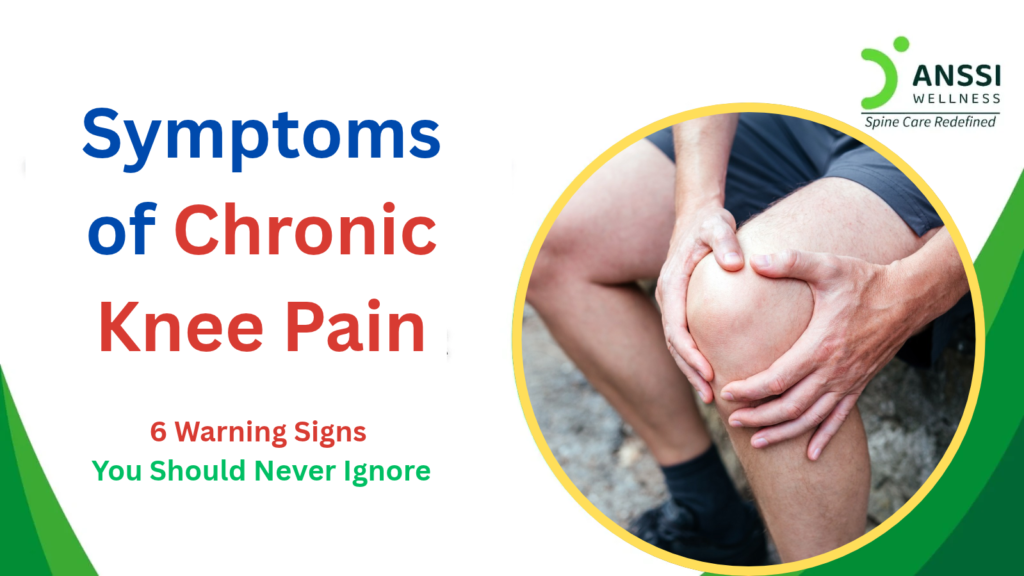
Knee pain is a common problem that can affect people of different age groups. While occasional discomfort after exercise or prolonged physical activity may improve with rest, persistent or recurring knee pain should never be ignored. Chronic knee pain can gradually interfere with walking, climbing stairs, sitting, standing and performing everyday activities. More importantly, it may indicate an underlying condition that requires timely medical attention.
Recognising the main symptoms of chronic knee pain and understanding the possible causes can help you seek appropriate treatment before the problem significantly affects your mobility and quality of life.
Main Symptoms of Chronic Knee Pain
Chronic knee pain generally refers to discomfort that persists or repeatedly occurs over an extended period, often lasting three months or longer. Its symptoms can vary depending on the underlying condition.
1. Persistent Pain and Discomfort
One of the most common symptoms is continuous or recurring pain around the knee joint. The discomfort may become more noticeable while walking, standing for long periods, climbing stairs or performing physical activities.
Possible causes: Knee osteoarthritis, cartilage degeneration, meniscus injuries and chronic inflammation can contribute to persistent knee pain.
2. Knee Stiffness and Reduced Mobility
Some people experience stiffness after waking up in the morning or sitting for a long time. The knee may feel difficult to bend or straighten, making routine movements uncomfortable.
Possible causes: Osteoarthritis, inflammatory arthritis and joint inflammation may restrict normal knee movement. In some cases, previous injuries can also contribute to stiffness.
3. Swelling Around the Knee Joint
Swelling may develop gradually or appear after physical activity. The knee may look enlarged, feel tight or become uncomfortable when bending.
Possible causes: Osteoarthritis, meniscus tears, ligament injuries, bursitis and inflammatory arthritis may cause swelling. Fluid accumulation inside the joint, known as knee effusion, can also restrict movement.
Sudden or significant swelling, particularly after an injury, should be medically evaluated.
4. Difficulty Climbing Stairs or Squatting
Pain while climbing stairs, squatting, sitting down or getting up from a chair can indicate that the knee is not functioning properly. Some people may also struggle to walk longer distances.
Possible causes: Patellofemoral pain syndrome, knee osteoarthritis, cartilage problems and muscle weakness around the knee may contribute to these difficulties.
5. Clicking, Popping or Locking Sensations
Occasional painless clicking may not be a serious concern. However, clicking accompanied by pain, swelling, or a catching sensation deserves attention. Some patients experience difficulty fully bending or straightening the knee.
Possible causes: Meniscus tears, cartilage damage, loose bodies inside the joint and certain kneecap-related conditions may produce these symptoms.
6. Knee Weakness or Instability
A feeling that the knee may give way while walking or standing can make patients hesitant to move. This may increase the risk of falls, particularly among older adults.
Possible causes: Ligament injuries, muscle weakness, meniscus damage and advanced joint degeneration may affect knee stability.
Ailments That Could Be Behind Chronic Knee Pain
Although the symptoms may appear similar, the underlying conditions can differ considerably.
- Knee Osteoarthritis: Gradual deterioration of joint cartilage can cause pain, stiffness, swelling and reduced mobility. It is more common with increasing age but can also affect younger individuals.
- Inflammatory Arthritis: Conditions such as rheumatoid arthritis can cause joint inflammation, pain, swelling and prolonged morning stiffness. These conditions require appropriate medical management.
- Ligament Injuries: Damage to the ACL, MCL, or other supporting ligaments can cause instability, swelling and difficulty bearing weight.
- Meniscus Injuries: Tears in the cushioning cartilage between the thighbone and shinbone may cause joint-line pain, swelling, catching and restricted movement.
- Cartilage Degeneration: Damage to the smooth cartilage covering the joint surfaces can contribute to discomfort and difficulty moving the knee.
- Overuse Injuries: Repetitive activities, excessive exercise and sudden increases in physical workload may irritate tendons and other soft tissues around the knee.
Identifying the specific condition is important because not every type of knee pain responds to the same treatment.
Why You Should Not Ignore Chronic Knee Pain
Ignoring persistent knee pain and continuing activities that aggravate it may worsen discomfort and reduce mobility. Patients may gradually avoid walking, exercise and other movements because of pain. Reduced activity can contribute to muscle weakness, stiffness and declining physical fitness.
An untreated injury or underlying joint condition may also lead to further functional difficulties. For example, recurring swelling or instability may affect balance and increase the risk of falls.
Seek medical assessment if knee pain persists, repeatedly returns, affects sleep or interferes with daily activities. A hot, red and swollen knee accompanied by fever requires urgent medical attention. Sudden inability to bear weight, significant deformity or severe pain after an injury also needs prompt evaluation.
Modern Advanced Knee Rehabilitation Programs
For individuals experiencing chronic knee pain and mobility limitations, ANSSI Wellness offers an Advanced Knee Rehabilitation Program, a non-surgical approach designed to support improved knee function through a combination of modern knee decompression technology and personalised physiotherapy.
The programme focuses on rehabilitation rather than relying exclusively on temporary pain relief.
Its key components include:
- Comprehensive Knee Assessment: Evaluation of pain, swelling, joint movement, muscle strength and relevant MRI or X-ray findings to understand the patient’s condition.
- Modern Knee Decompression Technology: Controlled treatment intended to reduce joint loading during the procedure and support comfortable movement in appropriately selected patients.
- Personalised Physiotherapy: Guided exercises to improve flexibility, strengthen supporting muscles and enhance joint stability.
- Mobility and Functional Training: Exercises designed to help patients perform everyday activities, including walking, climbing stairs and getting up from a seated position.
- Patient Guidance: Advice on appropriate physical activities, exercise routines and movement habits to support rehabilitation.
The programme may be considered for suitable patients with chronic knee discomfort associated with conditions such as early-stage osteoarthritis, cartilage degeneration and selected rehabilitation needs. It is not a universal treatment for every knee condition, and patients with inflammatory arthritis, significant ligament injuries or acute swelling require appropriate condition-specific medical care.
About ANSSI:
ANSSI Wellness focuses on improving the quality of life for patients suffering from knee issues, aiming to provide relief where other conventional treatments have failed. Through Advanced Knee Rehabilitation Treatment, ANSSI is committed to helping patients avoid surgery and recover in a safe, effective, and compassionate environment.
Connect with ANSSI Wellness on LinkedIn, Instagram, and Facebook for expert guidance.