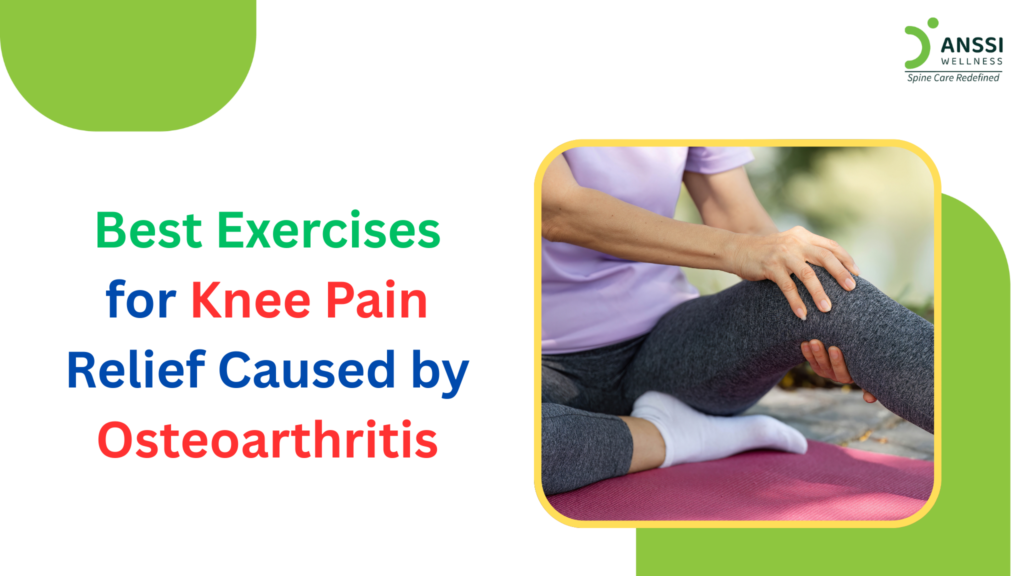
Knee pain caused by osteoarthritis is one of the most common joint problems affecting middle-aged and elderly individuals. Many people notice discomfort while walking, climbing stairs, standing for long periods, or even getting up from a seated position. Osteoarthritis develops gradually and can significantly affect daily activities if not managed properly.
Although osteoarthritis is a degenerative condition, it does not mean that people must live with constant pain. The right combination of exercises and non-surgical therapies can help you reduce discomfort, improve mobility, and strengthen the knee joint. Regular movement plays an important role in maintaining joint health and slowing the progression of osteoarthritis.
Understanding Osteoarthritis of the Knee
Osteoarthritis occurs when the cartilage in the knee joint gradually wears down over time. Cartilage is a smooth, protective tissue that covers the ends of bones and allows them to move smoothly against each other.
In a healthy knee joint, cartilage acts as a cushion between the femur (thigh bone) and tibia (shin bone). It helps absorb shock and prevents friction during movement. However, as cartilage becomes thinner due to ageing, wear and tear, or joint stress, the bones begin to move closer together.
This loss of cushioning can cause the bones to rub against each other, leading to inflammation, stiffness, and pain. Individuals with knee osteoarthritis may experience symptoms such as swelling, reduced flexibility, and difficulty performing everyday tasks like walking or climbing stairs.
Over time, if the condition is not managed properly, the joint may become more painful and less mobile. This is why early treatment and joint care are essential.
Why Exercise is Important for Knee Osteoarthritis
Many people with knee pain avoid movement because they fear it may worsen their condition. However, appropriate exercises are actually one of the most effective ways to manage osteoarthritis.
- Exercise strengthens the muscles that support the knee joint. Strong muscles, particularly the quadriceps and hamstrings, help stabilise the knee and reduce pressure on the joint surfaces.
- Regular movement also improves joint flexibility. When the knee remains inactive for long periods, stiffness may develop, making it harder to move the joint comfortably. Gentle exercises help maintain the range of motion and keep the joint mobile.
- Another benefit of exercise is improved blood circulation around the joint. Better circulation helps deliver nutrients to the tissues surrounding the knee and supports the body’s natural healing processes.
- Low-impact exercises are especially beneficial because they strengthen the knee without placing excessive stress on the joint.
Best Exercises for Knee Pain Relief
Several exercises are recommended for individuals suffering from knee pain caused by osteoarthritis. These exercises focus on strengthening muscles, improving flexibility, and maintaining joint mobility.
Quadriceps Strengthening Exercises
The quadriceps muscles are located at the front of the thigh and play a crucial role in supporting the knee joint. Strengthening these muscles helps reduce pressure on the knee and improves stability.
Simple exercises such as seated leg extensions can help strengthen the quadriceps without placing excessive strain on the joint.
Straight Leg Raises
Straight leg raises are another effective exercise for strengthening the thigh muscles. This exercise can be performed while lying down and does not require bending the knee, which makes it suitable for individuals experiencing knee discomfort.
By strengthening the muscles around the knee, straight leg raises help provide better support to the joint.
Hamstring Stretches
The hamstring muscles are located at the back of the thigh and work together with the quadriceps to support knee movement. Tight hamstrings can increase stress on the knee joint and contribute to discomfort.
Gentle hamstring stretches can improve flexibility and reduce tension around the knee. Improved flexibility allows the joint to move more smoothly during daily activities.
Heel Slides
Heel slides are a simple exercise that helps improve knee mobility and flexibility. This exercise involves slowly sliding the heel toward the body while lying down, allowing the knee to bend gradually.
Regular practice of heel slides can help maintain the range of motion and reduce stiffness in the knee joint.
Low-Impact Aerobic Exercises
Low-impact activities such as cycling, swimming, and walking on flat surfaces are excellent for people with knee osteoarthritis. These exercises help keep the joint active while minimising stress on the knee.
Swimming is particularly beneficial because the water supports body weight, allowing the joints to move more freely without excessive pressure.
Non-Surgical Treatments That Help Reduce Knee Pain
While exercises are an important part of managing knee osteoarthritis, combining them with non-surgical therapies can provide better and longer-lasting results.
Physiotherapy
Physiotherapy programs are often recommended for individuals with knee pain. Physiotherapists design customised exercise plans that strengthen the muscles supporting the knee and improve joint stability. They also provide guidance on correct movement patterns to prevent further joint strain.
Weight Management
Weight management is another important factor in reducing knee pain. Excess body weight increases pressure on the knee joints, which can accelerate cartilage wear. Maintaining a healthy weight helps reduce stress on the joints and improves mobility.
Advanced Knee Decompression Treatment
Advanced non-surgical treatments are also available to help manage osteoarthritis pain. One such treatment is knee decompression treatment.
This innovative procedure gently creates space within the knee joint using specialised equipment. By reducing pressure between the bones, knee decompression helps improve circulation and allows the joint tissues to heal naturally.
The treatment may also help reduce inflammation and improve joint function over time. For individuals suffering from chronic knee pain due to osteoarthritis, knee decompression treatment can offer long-term relief without the need for surgery.
About ANSSI:
ANSSI Wellness focuses on improving the quality of life for patients suffering from spinal issues, aiming to provide relief where other conventional treatments have failed. Through Advanced Knee Rehabilitation Treatment, ANSSI is committed to helping patients avoid surgery and recover in a safe, effective, and compassionate environment.
Connect with ANSSI Wellness on LinkedIn, Instagram, and Facebook for expert guidance.