
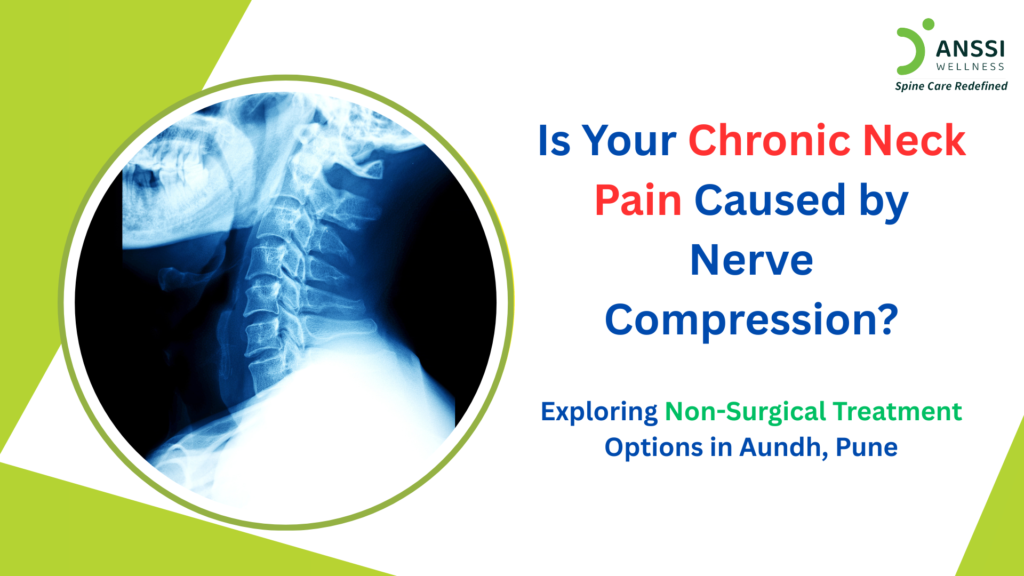
Chronic neck pain has become an increasingly common complaint in today’s lifestyle-driven world.
Long hours spent working at computers, frequent smartphone use, poor posture, and reduced physical activity have made neck discomfort a daily reality for many people. While occasional stiffness may seem harmless, persistent neck pain that lasts for weeks or months often signals a deeper spinal issue. One of the most overlooked yet significant causes of chronic neck pain is nerve compression in the cervical spine.
Understanding the real source of your pain is the first step toward lasting relief, especially when effective non-surgical options are available.
Understanding Chronic Neck Pain and Nerve Compression
The cervical spine consists of seven vertebrae in the neck that support the weight of the head and protect the spinal cord and nerves that travel to the shoulders, arms, and hands. Between these vertebrae are spinal discs that act as shock absorbers and allow smooth movement.
Nerve compression occurs when these nerves are irritated or compressed due to changes in the surrounding spinal structures. When pressure builds up around a cervical nerve, pain signals can travel beyond the neck, causing discomfort that radiates into the shoulders, arms, and even fingers. If left untreated, this compression can worsen over time, leading to chronic pain and functional limitations.
Key Causes of Cervical Nerve Compression
Several spinal conditions can contribute to nerve compression in the neck.
- One common cause is a cervical disc bulge or herniated disc. Over time, discs can lose hydration and elasticity, causing them to protrude or rupture. When this happens, the disc material may press against nearby nerves, triggering pain and neurological symptoms.
- Cervical spondylosis is another major contributor. This age-related degenerative condition involves the gradual wear and tear of spinal discs and joints. As the spine degenerates, bone spurs and reduced disc space can narrow the pathways through which nerves travel, increasing pressure on them.
- Lifestyle factors also play a crucial role. Poor posture, prolonged screen time, improper workstation ergonomics, and repetitive neck movements can strain the cervical spine. Over time, these habits accelerate disc degeneration and increase the risk of nerve compression, even in younger individuals.
Symptoms That Indicate Nerve Compression
Not all neck pain is the same, and certain symptoms strongly suggest nerve involvement.
- Persistent neck pain that radiates to the shoulders, arms, or upper back is a common sign.
- Many individuals also experience tingling or numbness in the arms or hands, muscle weakness, stiffness, and reduced range of neck motion.
- Some people find it difficult to hold their head in one position for long periods, while others struggle with daily activities such as driving, typing, or sleeping comfortably.
When these symptoms persist or worsen, it is important to seek professional spine care rather than relying on temporary fixes.
Why Medication and Surgery Have Limitations
Painkillers, muscle relaxants, and anti-inflammatory medications are often the first line of treatment for neck pain. While they may provide short-term relief, they do not address the underlying cause of nerve compression. Prolonged use of medication can also lead to side effects, dependency, and diminished effectiveness over time.
Surgery is sometimes suggested when pain becomes severe, but it is not always the best or only solution. Cervical spine surgery carries risks such as infection, nerve damage, long recovery periods, and uncertain outcomes. For many patients, especially in early to moderate stages, surgery can be avoided with timely non-surgical intervention.
Non-Surgical Spinal Decompression Treatment
One of the most advanced and effective non-surgical options for treating cervical nerve compression is Non-Surgical Spinal Decompression Treatment. This treatment uses a specialised decompression system to gently stretch the cervical spine in a controlled manner. The process creates negative pressure within the spinal discs, helping to reduce disc bulges and relieve pressure on compressed nerves.
By improving blood flow and nutrient exchange, spinal decompression supports the natural healing of damaged discs. The treatment is completely non-invasive, drug-free, and does not require hospitalisation. Sessions are carefully designed to be comfortable and safe, making them suitable for patients seeking long-term relief without surgery.
A Holistic Recovery Approach
At ANSSI Wellness Aundh, Pune, spinal decompression is not used in isolation. Each patient receives a personalised treatment plan based on clinical evaluation and imaging studies such as MRI scans. Along with decompression treatment, supportive treatments may include physiotherapy, posture correction, ergonomic guidance, and targeted strengthening exercises.
This holistic approach ensures that not only is nerve pressure reduced, but the surrounding muscles and spinal structures are also strengthened to prevent recurrence. Lifestyle advice helps patients maintain spinal health and avoid habits that contribute to future neck problems.
Why Choose ANSSI Wellness Aundh, Pune
ANSSI Wellness Aundh, Pune is trusted by patients for its exclusive focus on non-surgical spine care. The clinic uses advanced, USA protocol-based spinal decompression technology and follows a patient-centric approach that prioritises safety, comfort, and long-term outcomes.
Experienced spine specialists take the time to understand each patient’s condition and design customised treatment programs aimed at addressing the root cause of pain. Many patients who were once considering surgery have successfully regained mobility, comfort, and confidence through ANSSI Wellness’s comprehensive care.